Ensuring the optimal well-being of horses requires a holistic approach that encompasses various elements of their lifestyle. From diet and exercise to mental stimulation and social interaction, every aspect plays a critical role in promoting a healthy and happy life for these majestic animals. This article delves into essential tips for maintaining an optimal lifestyle for your horse.
Nutrition: Building Blocks of Health
Proper nutrition is the cornerstone of a healthy horse. A balanced diet tailored to the specific needs of your horse’s breed, age, and activity level is paramount. Horses are natural grazers, so providing access to quality forage is crucial. High-quality hay or pasture should form the bulk of their diet, supplemented with grains and concentrates as needed.
Understanding Nutritional Needs
Different horse breeds have varying nutritional requirements. For instance, draft breeds often require more calories due to their larger size, while ponies may need fewer calories to prevent obesity. Consulting with an equine nutritionist can help tailor a diet plan that meets your horse’s individual needs.
Vitamin and Mineral Supplements
In addition to forage and grain, horses may require vitamin and mineral supplements to fill any nutritional gaps. Common supplements include salt blocks, which provide essential minerals like sodium and chloride, and specific vitamins like Vitamin E and Selenium, especially in regions where these are deficient in forage.
Exercise: Keeping Them Active
Regular exercise is vital for maintaining a horse’s physical health and mental well-being. It helps in building muscle strength, improving cardiovascular health, and preventing obesity. Depending on your horse’s breed and intended use, their exercise regimen may vary.
Creating an Exercise Routine
Develop a consistent exercise routine that combines various activities such as riding, lunging, and turnout. The type and intensity of exercise should match the horse’s fitness level and age. For example, a young Thoroughbred may benefit from regular gallops, while an older Arabian might enjoy leisurely trail rides.
Importance of Turnout
Turnout time is crucial for a horse’s mental and physical health. It allows them to move freely, socialize with other horses, and express natural behaviors. Ensure your horse has adequate turnout time each day in a safe and spacious environment.
Grooming: Beyond Aesthetic Appeal
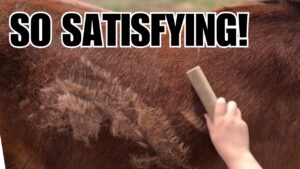
Grooming is more than just keeping your horse looking good; it’s an essential part of maintaining their health. Regular grooming helps in early detection of health issues, promotes circulation, and strengthens the bond between horse and owner.
Establishing a Grooming Routine
Incorporate grooming into your daily routine with tasks like brushing to remove dirt and debris, hoof cleaning to prevent infections, and checking for injuries or abnormalities. Regular grooming sessions provide an opportunity to assess your horse’s overall condition and catch potential health issues early.
Skin and Coat Care
Keeping your horse’s skin and coat healthy is essential for preventing skin diseases and infections. Use appropriate grooming products like shampoos and conditioners that suit your horse’s skin type and sensitivity. Regularly check for signs of skin conditions, such as rain rot or dermatitis, and consult a veterinarian if needed.
Mental Stimulation: Nurturing the Mind
Horses are intelligent creatures that thrive on mental stimulation. Providing activities that engage their minds can prevent boredom and associated behavioral issues.
Variety in Training
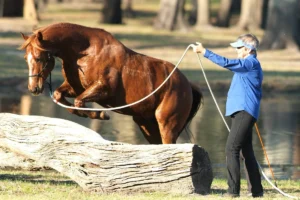
Incorporate a variety of training exercises to keep your horse mentally engaged. Mix up their routine with groundwork, obstacle courses, and new riding patterns. This not only keeps them mentally stimulated but also improves their responsiveness and adaptability.
Interactive Toys and Environments
Introduce interactive toys and enrich their environment with objects that encourage exploration and problem-solving. Simple toys like balls or treat-dispensing puzzles can provide hours of entertainment and mental engagement.
Social Interaction: The Herd Mentality
Horses are inherently social animals that thrive in a herd environment. Providing opportunities for social interaction is crucial for their psychological well-being.
Encouraging Social Bonds
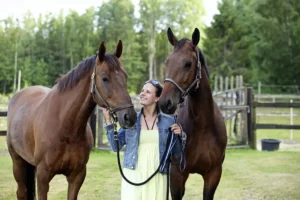
Allow your horse to interact with other horses regularly. Whether they are turned out in groups or have a stable mate, social interaction helps reduce stress and prevents loneliness. Monitor these interactions to ensure compatibility and safety among horses.
Understanding Herd Dynamics
Understanding the dynamics of horse herds can help you facilitate healthy social interactions. Horses establish hierarchies and social bonds, which can impact their behavior. Observing these dynamics can provide insights into your horse’s social needs and preferences.
Health Monitoring: Prevention is Better Than Cure
Routine health monitoring is essential for early detection and prevention of health issues. A proactive approach can significantly enhance your horse’s quality of life.
Regular Veterinary Check-Ups
Schedule regular veterinary check-ups to ensure your horse’s health is consistently monitored. Vaccinations, dental care, and parasite control are critical components of preventive healthcare.
Observing Behavioral Changes
Be vigilant for any behavioral changes that may indicate health issues. Changes in appetite, demeanor, or movement can be early signs of problems. Promptly addressing these changes with your veterinarian can prevent more severe health issues.
Safety: Creating a Secure Environment
Ensuring a safe environment is paramount for preventing accidents and injuries. From stable design to pasture management, every aspect should prioritize safety.
Stable Safety
Design your stable with safety in mind. Ensure proper ventilation, safe flooring, and secure doors and windows. Regularly inspect for potential hazards, such as protruding nails or sharp edges.
Pasture Management
Manage pastures to prevent injuries and promote healthy grazing. Regularly check for toxic plants, maintain secure fencing, and provide adequate shelter for protection against extreme weather.
Conclusion
Maintaining the optimal well-being of your horse requires a comprehensive lifestyle approach that integrates nutrition, exercise, grooming, mental stimulation, social interaction, health monitoring, and safety. By addressing each of these elements, you can ensure your horse leads a healthy, fulfilling life. Remember that every horse is unique, and tailoring these tips to suit your horse’s specific needs will result in a harmonious and thriving partnership.
#ChatGPT assisted in the creation of this article.