Horse training is an art as much as it is a science. Whether you’re a seasoned equestrian or a beginner, mastering your horse training routine can significantly improve your relationship with your horse and enhance their performance. This article will guide you through creating an effective training routine, understanding your horse’s behavior, and using advanced techniques to refine your approach.
Understanding Your Horse
Before delving into training methods, it’s crucial to understand the individual needs and temperament of your horse. Each horse is unique, with its own personality, strengths, and weaknesses. Spend time observing your horse’s behavior to identify what motivates them, what frightens them, and how they communicate.
Building Trust
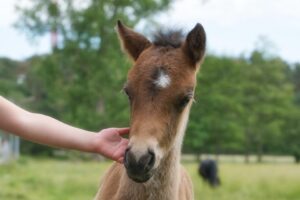
Trust is the foundation of any successful training program. Approach your horse with patience and consistency to build a strong bond. Engage in regular grooming sessions and spend quality time with your horse outside of training to strengthen your relationship.
Recognizing Signs of Stress
Horses communicate through body language. Learn to recognize signs of stress such as pinned ears, tail swishing, or restlessness. Addressing these signs early can prevent negative outcomes during training sessions.
Setting Goals for Your Training Routine
A structured training routine requires clear, achievable goals. Whether your aim is to compete in dressage, improve jumping skills, or simply enhance your horse’s obedience, setting specific objectives will help you track progress and stay motivated.
Short-term vs. Long-term Goals
Distinguish between short-term and long-term goals. Short-term goals could include mastering a new command or improving gait transitions, while long-term goals might involve preparing for a competition or achieving a specific level of performance.
Creating a Schedule
Consistency is key in horse training. Develop a realistic schedule that includes time for warm-ups, training sessions, and cool-downs. Ensure that your routine allows for rest days to prevent burnout and encourage recovery.
Essential Training Techniques
A variety of training techniques can be used to achieve your goals. Familiarize yourself with these essential methods to create a well-rounded training program.
Groundwork
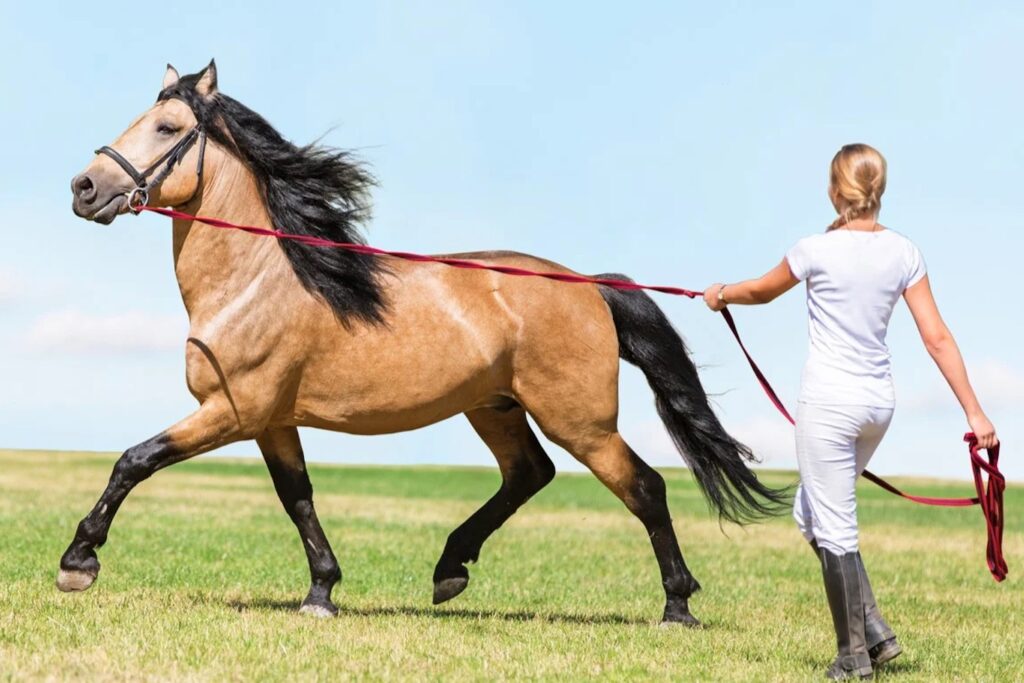
Groundwork is the foundation of any training routine. It establishes respect and communication between you and your horse. Techniques such as lunging, leading, and desensitization exercises are crucial for building trust and obedience.
Positive Reinforcement
Reward-based training is highly effective in encouraging desired behaviors. Use treats, praise, or a gentle pat to reinforce good behavior, ensuring that your horse associates training with positive experiences.
Consistency and Repetition
Repetition helps your horse understand what is expected of them. Consistently applying the same cues and commands reinforces learning and helps solidify the skills you are teaching.
Advanced Training Tips
Once the basics are mastered, you can introduce more advanced techniques to further enhance your horse’s abilities.
Cross-training
Cross-training involves incorporating a variety of disciplines into your routine. This approach keeps your horse mentally stimulated and physically fit, reducing the risk of injury from repetitive strain.
Incorporating Technology
Modern technology offers tools that can enhance training. Use video analysis to review your sessions and identify areas for improvement. Heart rate monitors can help gauge your horse’s fitness and adjust the intensity of training accordingly.
Professional Guidance
Consider seeking advice from experienced trainers or attending clinics to gain new insights and techniques. Professional guidance can provide a fresh perspective and help overcome specific challenges.
Maintaining Your Horse’s Well-being
Your horse’s physical and mental well-being is paramount to a successful training routine.
Nutrition and Hydration
A balanced diet is essential for maintaining your horse’s energy levels and overall health. Consult with a veterinarian or equine nutritionist to ensure that your horse’s dietary needs are being met.
Regular Veterinary Check-ups
Routine veterinary care is crucial for preventing and addressing health issues. Schedule regular check-ups to monitor your horse’s health and address any concerns promptly.
Rest and Recovery
Adequate rest is essential for muscle recovery and mental relaxation. Allow your horse time off from training to recuperate and avoid overworking them.
Conclusion
Mastering your horse training routine is a rewarding journey that requires patience, dedication, and a deep understanding of your horse. By setting clear goals, employing effective techniques, and prioritizing your horse’s well-being, you can develop a successful training routine that enhances both performance and the bond between you and your horse. With time and effort, you and your horse can achieve great things together.