Riding is not just about speed and thrill; it’s an art that demands balance, precision, and control. Whether you’re a seasoned equestrian or a novice cyclist, optimizing your riding posture is crucial for enhanced performance. A proper riding posture not only improves your efficiency but also ensures safety and comfort. In this article, we will explore the fundamentals of optimizing your riding posture to elevate your performance, prevent injuries, and enjoy a more fulfilling riding experience.
Understanding the Importance of Riding Posture
A correct riding posture serves as the foundation of all riding disciplines. It influences how you interact with your horse or bicycle, affects your balance, and determines the efficiency of your movements. An optimized posture enhances your ability to communicate with your mount or machine, allowing for more precise control and reduced energy expenditure.
Balance and Stability
One of the primary reasons to focus on posture is to maintain balance and stability. A well-balanced rider can adapt quickly to changes in terrain or speed, making the ride smoother and more enjoyable. Without proper balance, you risk toppling over or losing control, which can lead to accidents.
Energy Efficiency
An optimized posture reduces unnecessary muscle strain and fatigue. When your body is aligned correctly, you use your energy more efficiently, allowing you to ride longer and faster without tiring quickly. This is particularly important in competitive scenarios where endurance can make a significant difference.
Injury Prevention
Incorrect riding posture can lead to a variety of injuries, ranging from muscle strains to joint pain. By maintaining a proper posture, you minimize the risk of stress-related injuries and chronic pain, ensuring that you can continue to ride for years to come.
Key Elements of an Optimal Riding Posture
Achieving an optimal riding posture involves focusing on several key elements. These components vary slightly depending on whether you’re riding a horse or a bicycle, but the core principles remain the same.
Alignment
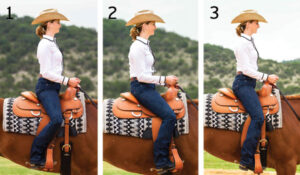
Align your head, shoulders, hips, and heels vertically. This alignment helps distribute your weight evenly, providing a stable base for movement. On a bicycle, this means keeping your back straight and your knees slightly bent. For equestrians, it involves sitting tall in the saddle without slumping or leaning.
Core Engagement
Engage your core muscles to provide stability and support. A strong core helps you maintain posture and absorb shocks from uneven surfaces. Whether you’re pedaling a bike or trotting a horse, a stable core prevents excess movement that can throw off your balance.
Relaxed Shoulders and Arms
Tension in your shoulders and arms can restrict your range of motion and lead to fatigue. Keep your shoulders relaxed and your elbows slightly bent. This allows for smoother transitions and better communication with your mount or handlebars.
Proper Grip
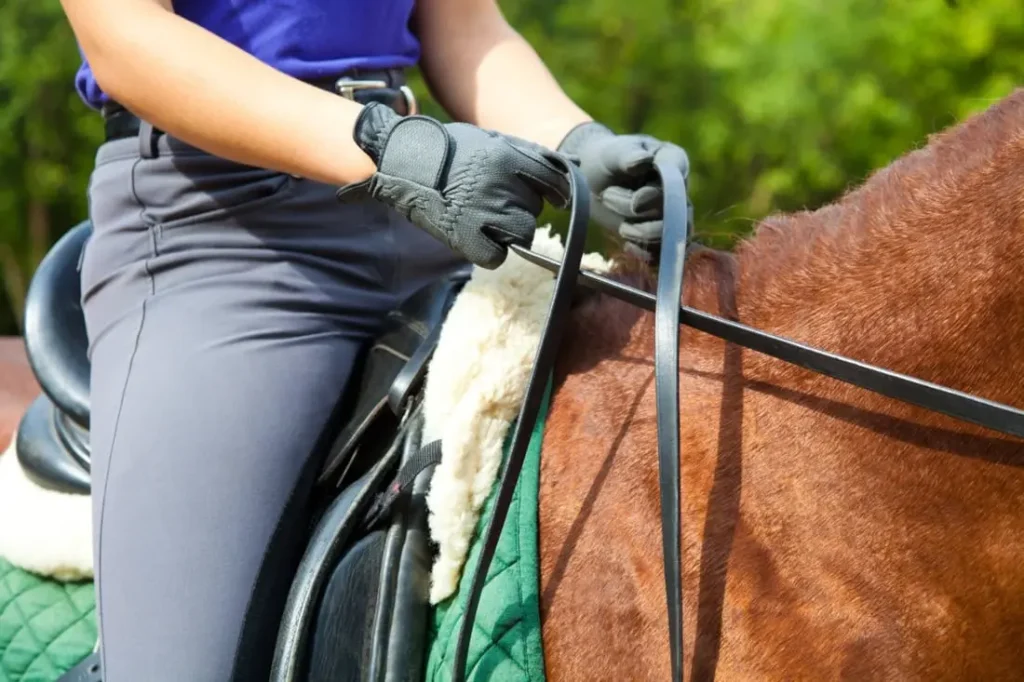
How you hold the reins or handlebars affects your overall posture. Maintain a firm yet relaxed grip, avoiding a vice-like hold that can lead to tension. Your hands should be positioned to allow for quick adjustments and comfortable control.
Eyes Forward
Your gaze should be directed forward, focusing on where you want to go rather than on the ground or your mount’s head. Looking ahead helps you anticipate changes in the terrain and react accordingly, maintaining a fluid motion.
Adjustments for Different Riding Styles
Different riding disciplines require variations in posture to optimize performance. Here, we’ll explore some adjustments for common riding styles.
Equestrian Riding
– **Dressage**: Focus on maintaining a deep seat and long leg position. Your back should be straight, and your hands should be low and steady. This posture allows for precise communication with your horse.
– **Jumping**: Adopt a forward seat with your weight slightly out of the saddle. Keep your heels down and eyes up to maintain balance during jumps.
– **Western Riding**: Sit deep in the saddle with a relaxed posture. Your legs should hang naturally, and your hands should be low to guide your horse gently.
Cycling
– **Road Cycling**: Aim for a low, aerodynamic posture with a flat back and bent elbows. This reduces wind resistance and enhances speed.
– **Mountain Biking**: Maintain a more upright posture to navigate rough terrain. Keep your elbows wide for better control over bumps and obstacles.
– **BMX**: Focus on a crouched position with a strong grip on the handlebars. This posture provides agility for tricks and jumps.
Exercises to Improve Riding Posture
Enhancing your riding posture requires more than just practice on the saddle or bike. Incorporate specific exercises into your routine to strengthen the necessary muscles and improve flexibility.
Core Strengthening
– **Planks**: Hold a plank position to engage your core and build endurance.
– **Russian Twists**: Sit on the ground with your knees bent, lean back slightly, and twist your torso from side to side.
– **Bicycle Crunches**: Lie on your back and perform crunches while bringing your knees towards your chest, mimicking a pedaling motion.
Flexibility and Balance
– **Yoga**: Incorporate yoga poses like Downward Dog and Warrior to improve flexibility and balance.
– **Pilates**: Focus on exercises that enhance core stability and overall body alignment.
– **Balance Board**: Practice maintaining balance on a board to mimic the instability of riding.
Common Mistakes and How to Avoid Them
Even experienced riders can fall into bad habits that affect their posture and performance. Here are some common mistakes and tips to correct them.
Slouching
Slouching reduces your control and can lead to back pain. Focus on maintaining an upright posture with shoulders back and chest open.
Gripping Too Tightly
Gripping the reins or handlebars too tightly causes tension and fatigue. Practice a relaxed grip to maintain control without unnecessary strain.
Ignoring Core Engagement
A weak core can lead to instability and fatigue. Prioritize core exercises and consciously engage your core while riding.
Looking Down
Looking down affects your balance and reaction time. Train yourself to look ahead, scanning the path or course for obstacles.
Conclusion
Optimizing your riding posture is essential for enhancing performance, ensuring safety, and enjoying a more comfortable ride. By understanding the importance of posture, focusing on key elements, and making necessary adjustments for your riding style, you can improve your efficiency and reduce the risk of injury. Incorporate exercises to strengthen your core and enhance flexibility, and be mindful of common mistakes that can hinder your progress. With dedication and practice, you’ll find yourself riding with greater confidence and skill, making the most out of every ride.
#ChatGPT assisted in the creation of this article.