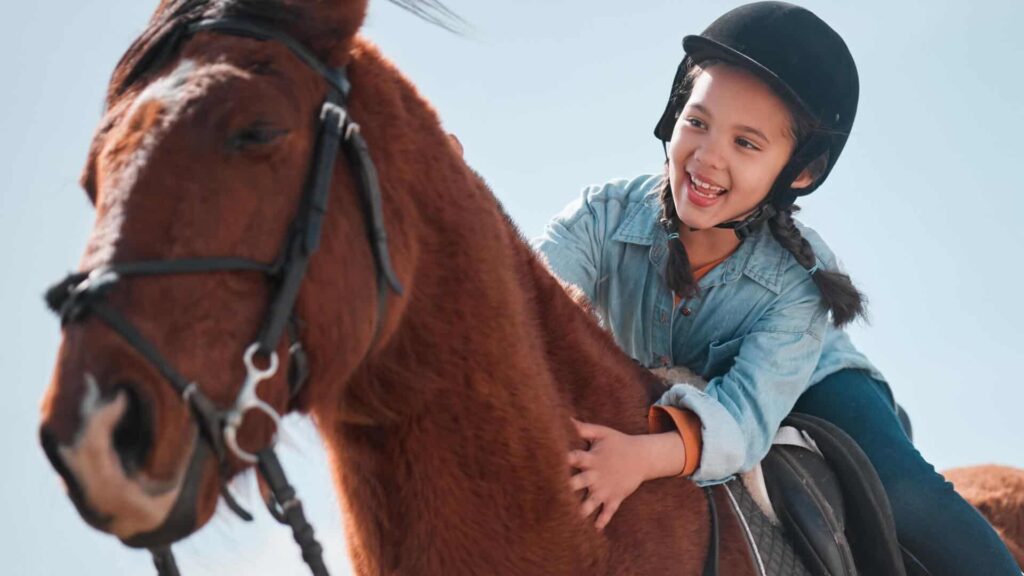
Horse riding can be an exhilarating and rewarding experience, offering a unique connection to nature and the animal world. However, as with any sport involving animals, safety should always be a top priority, especially for beginners. This article will cover essential horse riding safety tips to ensure that your equestrian journey is both enjoyable and secure.
Understand the Basics Before You Start
Before mounting a horse, it’s crucial to understand the basics of horse behavior and riding. Horses are prey animals, meaning they can be easily startled. Therefore, grasping a fundamental understanding of their nature and how to communicate effectively with them is vital.
Participate in Riding Lessons
For beginners, enrolling in professional riding lessons is a significant first step. Certified instructors can guide you through the fundamentals of riding, horse care, and safety. These lessons will help you build confidence and skill progressively.
Study Horse Behavior
Learn how horses communicate through their body language. Recognizing signs of discomfort, fear, or aggression can prevent accidents. Books, videos, and even discussions with experienced riders can provide valuable insights into equine behavior.
Wear Appropriate Gear
Equipping yourself with the right gear is fundamental to ensuring safety while riding. Proper attire not only protects you but also enhances your comfort and performance.
Helmet
Always wear a certified equestrian helmet when riding. This is perhaps the most crucial piece of safety equipment as it protects your head from potential falls or impacts. Ensure that the helmet fits snugly and is properly fastened.
Boots
Invest in a pair of sturdy riding boots with a heel. The heel prevents your foot from slipping through the stirrup, reducing the risk of being dragged in the event of a fall. The boots should also provide ankle support and protection.
Gloves
Wearing gloves can enhance your grip on the reins, especially in wet conditions. They also protect your hands from blisters and provide additional warmth during colder rides.
Riding Attire
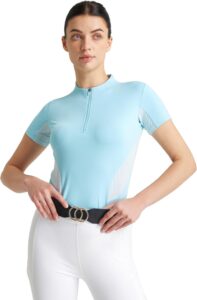
Wear comfortable, fitted clothing that allows for free movement. Avoid loose or flowing garments that could get caught in equipment. Riding pants or jodhpurs are designed to prevent chafing and enhance comfort.
Check Your Equipment
Before every ride, it’s essential to inspect your tack and equipment to ensure that everything is in proper working order. Faulty equipment can lead to accidents, so take the time to perform a thorough check.
Saddle and Bridle
Ensure that the saddle is properly fitted to both the horse and rider. An ill-fitting saddle can cause discomfort for the horse and instability for the rider. Check the bridle for wear and ensure that all buckles are secure.
Stirrups
Adjust stirrups to the appropriate length before mounting. Properly adjusted stirrups provide stability and control, which are essential for maintaining balance during the ride.
Girth or Cinch
Check that the girth or cinch is tightened appropriately. It should be snug enough to keep the saddle in place but not so tight that it causes discomfort to the horse.
Mount and Dismount Safely
Learning to mount and dismount safely is an essential skill for any rider. Proper technique helps prevent accidents and ensures a smooth start and finish to your ride.
Mounting
Always mount from the horse’s left side, using a mounting block if necessary to reduce strain on the horse’s back. Hold the reins in your left hand and the saddle with your right hand as you swing your leg over the horse’s back.
Dismounting
To dismount, bring your right leg over the horse’s back, ensuring you don’t kick the horse. Slide down gently and land softly on the ground, maintaining a firm grip on the reins.
Maintain Awareness and Control
While riding, always remain aware of your surroundings and maintain control of your horse. This is crucial for preventing accidents and ensuring a safe riding experience.
Stay Focused
Keep your attention on the ride and your horse. Avoid distractions such as mobile phones or conversations that can divert your focus from the task at hand.
Control Your Horse
Learn how to effectively use your reins, legs, and voice to communicate with your horse. Practice stopping, turning, and adjusting your speed smoothly to maintain control.
Ride in Safe Conditions
The environment in which you ride significantly impacts safety. Choosing the right conditions can minimize risks and enhance your riding experience.
Weather Conditions
Avoid riding in extreme weather conditions such as thunderstorms, heavy rain, or intense heat. These conditions can make riding dangerous for both you and the horse.
Trail Safety
If riding on trails, ensure they are well-maintained and suitable for your skill level. Familiarize yourself with the trail beforehand and be aware of potential hazards like low branches or uneven terrain.
Respect Your Horse
Respecting your horse is fundamental to building a safe and trusting relationship. Understanding your horse’s limits and needs is crucial for a harmonious riding experience.
Recognize Signs of Distress
Pay attention to your horse’s body language and behavior. Signs of distress or discomfort should be addressed promptly to prevent accidents.
Rest and Hydration
Ensure your horse has adequate rest and hydration, especially during long rides. This prevents fatigue and maintains the horse’s health and performance.
Have a Safety Plan
Being prepared for emergencies is a crucial aspect of horse riding safety. Having a plan in place can make a significant difference in the event of an accident.
First Aid Kit
Carry a basic first aid kit for both you and your horse. Familiarize yourself with how to treat minor injuries and when to seek professional medical assistance.
Ride with a Buddy
Whenever possible, ride with a partner or group. Having another person present can provide assistance in case of an emergency and adds an extra layer of safety.
Conclusion
Horse riding can be an incredibly fulfilling activity, offering physical, mental, and emotional benefits. By adhering to these essential safety tips, beginners can embark on their equestrian journey with confidence and security. Remember, safety is paramount, and taking the necessary precautions ensures that both you and your horse can enjoy a positive and rewarding experience.
#ChatGPT assisted in the creation of this article.