Training a horse is both an art and a science, requiring a blend of intuition, patience, skill, and knowledge of equine behavior. Whether you’re starting with a young colt or retraining an older horse, mastering horse training involves proven techniques that can help you build a strong bond with your equine partner. This article explores effective strategies to enhance your horse training skills, focusing on establishing trust, communication, and consistency.
Understanding Equine Behavior
Before delving into specific training techniques, it’s essential to understand the basic principles of equine behavior. Horses are prey animals with a strong flight response. They rely on keen senses and instinctual behaviors to stay safe, and this influences how they react to training.
The Importance of Trust
Trust is the cornerstone of any successful training program. Horses learn best in an environment where they feel safe and understood. Developing trust involves consistent handling, positive reinforcement, and patience. Always approach your horse calmly and confidently, allowing them to become familiar with your presence and touch. Building this foundation is crucial before progressing to more advanced training techniques.
Communication: The Language of Cues
Effective communication with your horse is achieved through a system of cues, both verbal and non-verbal. Horses are highly sensitive to body language and tone of voice, so clarity and consistency are key. Establish clear cues for desired behaviors and ensure your body language aligns with these signals. Over time, your horse will learn to associate specific cues with specific actions, enhancing your training effectiveness.
Proven Techniques for Mastering Horse Training
Once you’ve established trust and communication, you can begin implementing proven techniques to advance your horse’s training. These methods are grounded in understanding and respecting the horse’s natural instincts and learning patterns.
Groundwork: The Building Blocks of Training
Groundwork is an essential component of horse training, providing a foundation for both the horse and handler. Exercises such as leading, lunging, and yielding to pressure teach your horse to respond to cues while building respect and attentiveness.
1. **Leading and Halting**: Practice leading your horse from both sides, using a halter and lead rope. Teach your horse to stop and stand quietly when you halt. This reinforces your leadership and establishes basic control.
2. **Lunging**: Lunging helps your horse learn to move forward, change direction, and respond to voice commands. It also improves balance, rhythm, and fitness. Begin with short sessions, gradually increasing duration and complexity as your horse becomes more comfortable.
3. **Yielding to Pressure**: Teach your horse to yield to light pressure from your hands, body, or rope. This skill is fundamental for more advanced maneuvers, such as lateral movements and trailer loading.
Desensitization: Building Confidence and Reducing Reactivity
Desensitization is the process of exposing your horse to various stimuli to reduce fear and reactivity. A confident horse is more willing to learn and less likely to spook in new situations.
1. **Introduce New Objects**: Gradually introduce your horse to new objects, such as tarps, flags, or plastic bags. Allow them to investigate at their own pace, rewarding calm behavior.
2. **Environmental Exposure**: Expose your horse to different environments, including arenas, trails, and busy barns. Varying locations and situations will help your horse adapt to new experiences.
3. **Sound Desensitization**: Play recordings of different sounds at a low volume, gradually increasing as your horse becomes accustomed. This can include traffic noise, animal sounds, or machinery.
Positive Reinforcement: Encouraging Desired Behaviors
Positive reinforcement is a powerful tool in horse training, encouraging your horse to repeat desired behaviors by rewarding them.
1. **Clicker Training**: Use a clicker to mark the precise moment your horse performs the desired action, followed by a reward. This method is effective for teaching tricks, improving groundwork, and enhancing overall responsiveness.
2. **Food Rewards**: Offer small treats as rewards for good behavior. Ensure treats are given at appropriate times to reinforce the correct actions.
3. **Praise and Petting**: Verbal praise and gentle petting can be highly motivating for your horse. Use these rewards liberally to build a positive association with training.
Advanced Techniques for Experienced Trainers
As you and your horse progress, you can explore advanced training techniques that require a deeper understanding of equine behavior and more refined skills.
Collection and Balance
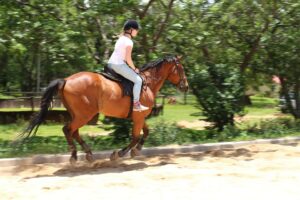
Teaching your horse to work in a collected frame improves balance, self-carriage, and responsiveness. This technique is crucial for disciplines like dressage and jumping.
1. **Half-Halts**: Use half-halts to encourage your horse to shift weight onto the hindquarters, engaging the core and lifting the back.
2. **Transitions**: Practice smooth transitions between gaits, focusing on maintaining balance and rhythm.
3. **Lateral Movements**: Introduce lateral exercises, such as leg yields and shoulder-ins, to increase flexibility and coordination.
Liberty Training: Enhancing Bond and Communication
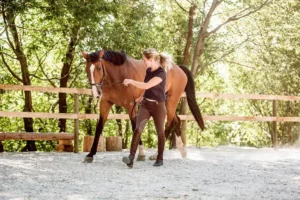
Liberty training involves working with your horse without physical restraints, relying solely on verbal cues and body language. This method deepens trust and communication, fostering a profound connection.
1. **Free Lunging**: Practice lunging without a line, using body language to guide your horse’s movements.
2. **Follow the Leader**: Encourage your horse to follow you willingly, using cues and rewards to guide their behavior.
3. **Trick Training**: Teach fun tricks, such as bowing or fetching, to engage your horse mentally and strengthen your bond.
Conclusion
Mastering horse training requires dedication, patience, and a deep understanding of equine behavior. By implementing proven techniques such as groundwork, desensitization, and positive reinforcement, you can build a strong foundation of trust and communication with your horse. Advanced methods like collection, balance, and liberty training offer opportunities to refine your skills and deepen your connection. Remember, every horse is unique, so tailor your approach to suit their individual needs and personality. With time and effort, you’ll develop a harmonious partnership that enhances both your riding experience and your horse’s well-being.