Ensuring the health and well-being of horses is a paramount responsibility for every horse owner. Among the various aspects of equine care, vaccinations play a crucial role in protecting horses from infectious diseases. A well-planned vaccination schedule is essential to maintain optimal health and prevent outbreaks within equine communities. This article explores the essential horse vaccination schedule, the diseases each vaccine targets, and best practices for maintaining an effective immunization program.
Understanding Equine Vaccinations
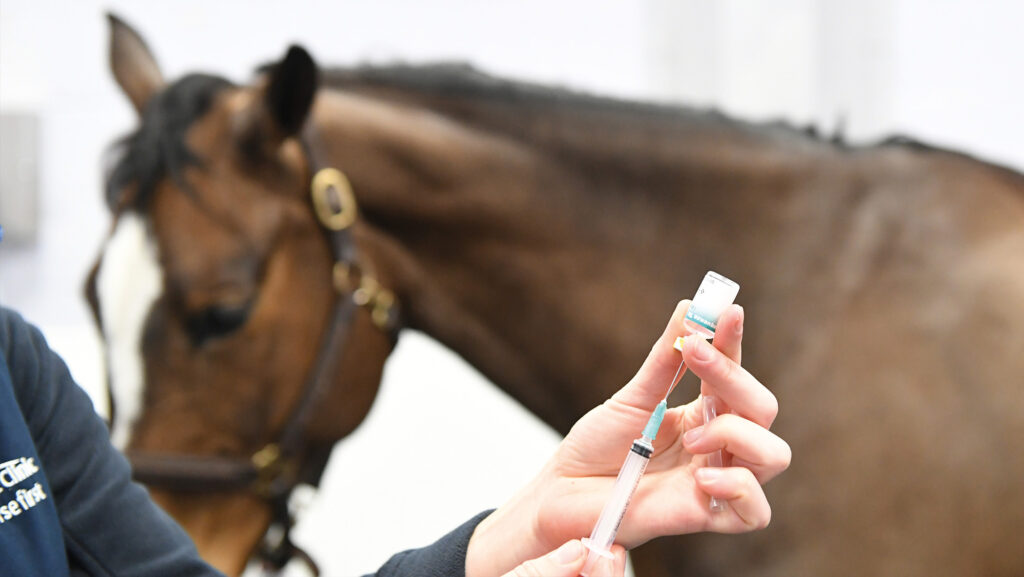
Vaccinations are biological preparations that provide active acquired immunity to particular diseases. For horses, vaccines are crucial in preventing diseases that can be debilitating, costly, or even fatal. Vaccines work by stimulating the horse’s immune system to recognize and fight pathogens.
Core vs. Risk-Based Vaccines
The American Association of Equine Practitioners (AAEP) classifies horse vaccines into two categories: core and risk-based vaccines.
– **Core Vaccines** are considered essential for all horses, regardless of location or lifestyle. These vaccines protect against diseases that have a high mortality rate, are highly contagious, or pose a significant risk to both horse and human health.
– **Risk-Based Vaccines** are administered based on the horse’s individual risk factors, including geographic location, travel, and exposure to other horses. Owners should consult with their veterinarians to determine which risk-based vaccines are necessary.
Core Vaccination Schedule
Core vaccines are recommended for all horses and form the foundation of a comprehensive vaccination program. The following are the core vaccines every horse should receive:
Tetanus
– **Disease Overview**: Tetanus, also known as lockjaw, is caused by the bacterium Clostridium tetani, which is commonly found in soil. It enters the body through wounds and produces a toxin that affects the nervous system, leading to severe muscle stiffness and spasms.
– **Vaccination Schedule**: Horses should receive an initial series of two vaccines, 4-6 weeks apart. An annual booster is required to maintain immunity. It is especially important to administer a booster if the horse sustains a wound or undergoes surgery.
Eastern and Western Equine Encephalomyelitis (EEE/WEE)
– **Disease Overview**: EEE and WEE are viral diseases transmitted by mosquitoes, causing inflammation of the brain and spinal cord. These diseases can be fatal, with EEE having a higher mortality rate.
– **Vaccination Schedule**: Horses should receive an initial series of two vaccines, 4-6 weeks apart, followed by annual boosters. In areas with a high mosquito population, a semi-annual booster may be recommended.
West Nile Virus (WNV)
– **Disease Overview**: West Nile Virus is another mosquito-borne disease that affects the central nervous system, leading to symptoms such as fever, weakness, and in severe cases, paralysis or death.
– **Vaccination Schedule**: Similar to EEE/WEE, horses should receive an initial series of two vaccines, 4-6 weeks apart, with annual boosters. In regions with a high prevalence of WNV, semi-annual boosters can be considered.
Rabies
– **Disease Overview**: Rabies is a viral disease that affects the nervous system of mammals, including horses. It is zoonotic, meaning it can be transmitted from animals to humans, and is invariably fatal once symptoms appear.
– **Vaccination Schedule**: An initial vaccine is followed by annual boosters. Rabies vaccination is crucial not only for the horse’s safety but also for public health.
Risk-Based Vaccination Schedule
Risk-based vaccines are tailored to the horse’s specific needs and exposure risks. Some of the most common risk-based vaccines include:
Equine Herpesvirus (EHV)
– **Disease Overview**: EHV is a contagious virus with several strains, causing respiratory disease, abortion in pregnant mares, and neurological disorders.
– **Vaccination Schedule**: Horses that are frequently in contact with others, such as at shows or boarding facilities, should receive regular EHV vaccines. Typically, vaccines are administered every 6 months, but frequency may vary based on risk assessment.
Equine Influenza
– **Disease Overview**: Equine influenza is a highly contagious respiratory disease that can spread rapidly among horses, especially in environments where they are in close contact.
– **Vaccination Schedule**: Horses in high-risk settings, such as those that travel frequently or are part of competitive events, should be vaccinated biannually or more frequently if recommended by a veterinarian.
Strangles
– **Disease Overview**: Strangles is a bacterial infection caused by Streptococcus equi, leading to abscesses in the lymph nodes, fever, and nasal discharge.
– **Vaccination Schedule**: Horses at risk of strangles, particularly those in boarding stables or frequently exposed to new horses, should receive the strangles vaccine. Initial vaccination is followed by boosters every 6-12 months, depending on exposure risk.
Best Practices for Vaccination
To ensure the effectiveness of a vaccination program, horse owners should consider the following best practices:
Consult a Veterinarian
A veterinarian is indispensable in developing a vaccination schedule tailored to the horse’s specific needs. They can provide guidance based on the horse’s health status, age, lifestyle, and local disease prevalence.
Maintain Records
Keeping detailed records of vaccinations, including dates, vaccine types, and batch numbers, is essential for tracking and managing the horse’s health care. These records are also useful for compliance with show or travel regulations.
Monitor for Reactions
While vaccines are generally safe, horses can occasionally experience adverse reactions. Owners should monitor their horses for signs of discomfort, swelling at the injection site, or any unusual behavior post-vaccination and report concerns to their veterinarian.
Regular Health Assessments
Routine health assessments, including dental checks and parasite control, complement a vaccination program and contribute to overall equine health. A holistic approach ensures that the horse’s immune system is robust and responsive to vaccinations.
Conclusion
A strategic vaccination schedule is a cornerstone of equine health management. By adhering to core and risk-based vaccination protocols, horse owners can protect their animals from a range of infectious diseases, ensuring their longevity and quality of life. Collaboration with a knowledgeable veterinarian and adherence to best practices will help maintain a healthy and thriving equine population. Through diligent care and proactive measures, horses can enjoy a life free from preventable diseases, allowing them to thrive in both performance and leisure activities.