Owning a horse is a rewarding experience, but it also comes with responsibilities, including ensuring their health and safety. Horses, like any other animal, are prone to injuries and illnesses, and knowing how to administer first aid can be crucial in emergencies. This article provides essential horse first aid tips to help you prepare for and manage common equine emergencies.
Understanding the Importance of First Aid for Horses
First aid is the initial care given to a horse experiencing a sudden illness or injury. The primary goal is to stabilize the horse’s condition and prevent further harm until professional veterinary care can be obtained. Being well-prepared and knowledgeable about first aid can make a significant difference in the outcome of an emergency situation.
Creating a Horse First Aid Kit
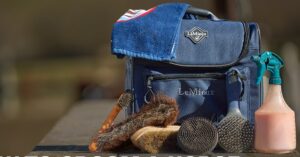
A well-stocked first aid kit is essential for every horse owner. It should be easily accessible and contain items that can address a variety of injuries and medical conditions. Here’s a list of must-have items for your horse first aid kit:
- Thermometer: Essential for checking your horse’s temperature.
- Stethoscope: Useful for listening to heart and gut sounds.
- Bandages and wraps: Including vet wrap, adhesive bandages, and gauze pads.
- Antiseptic solution: Such as Betadine or chlorhexidine for cleaning wounds.
- Scissors and tweezers: For cutting bandages and removing debris from wounds.
- Ice packs and heat packs: For managing swelling and muscle stiffness.
- Digital timer or stopwatch: To monitor heart rate and respiration.
- Latex gloves: To maintain hygiene while treating wounds.
- Saline solution: For flushing out eyes and wounds.
- Hoof pick: To remove debris from the hoof, especially in cases of lameness.
Assessing the Situation
In an emergency, the first step is to assess the situation calmly and quickly. Determine the severity of the injury or illness and decide whether you can manage it with first aid or if you need to call a veterinarian immediately. Observe your horse for signs of distress, such as abnormal behavior, increased heart rate, or labored breathing.
Common Horse Emergencies and First Aid Tips
Wounds and Lacerations
Wounds are common in horses due to their natural curiosity and environment. To manage a wound:
- Stop the bleeding by applying pressure with a clean cloth or bandage.
- Clean the wound with an antiseptic solution to prevent infection.
- Apply a sterile dressing and secure it with a bandage.
- Contact your veterinarian if the wound is deep, near a joint, or heavily contaminated.
Colic
Colic is a potentially life-threatening condition involving abdominal pain. If you suspect colic:
- Remove all food and water to prevent further complications.
- Encourage the horse to walk, which may help relieve gas or mild impactions.
- Monitor vital signs such as temperature, pulse, and respiration rate.
- Call your veterinarian immediately for a thorough examination and treatment.
Lameness
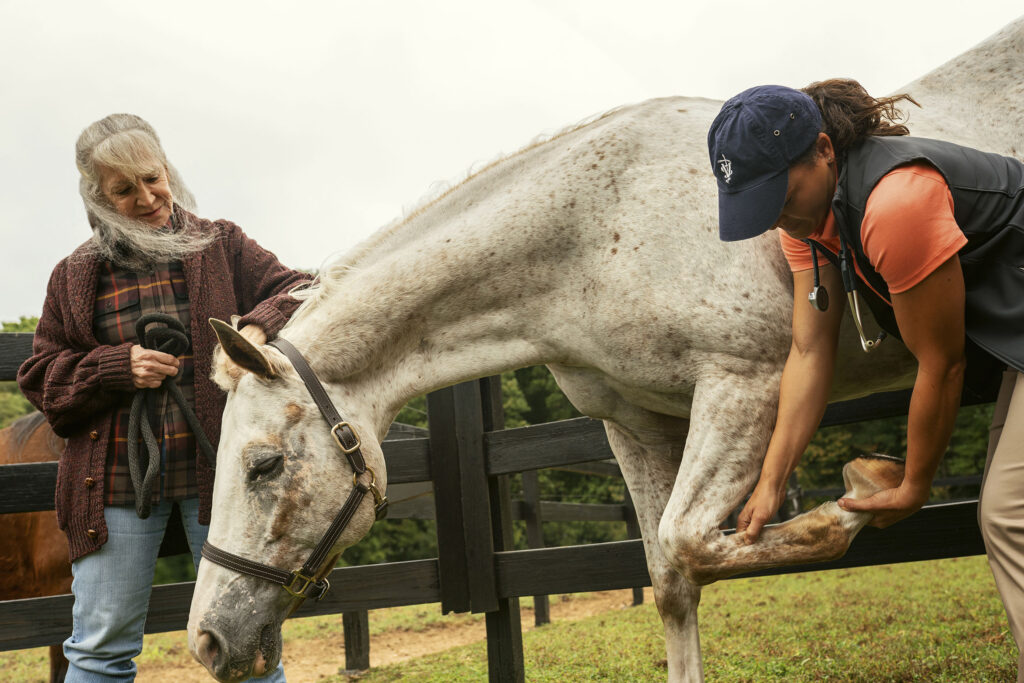
Lameness can result from various causes, including hoof problems, tendon injuries, or muscle strains. To address lameness:
- Inspect the affected limb for swelling, heat, or obvious injuries.
- Use a hoof pick to remove any debris from the hoof.
- Apply cold therapy, such as ice packs, to reduce swelling in the initial stages.
- Consult your veterinarian for a proper diagnosis and treatment plan.
Eye Injuries
Eye injuries can quickly worsen if not treated promptly. For eye issues:
- Gently flush the eye with saline solution to remove any foreign objects.
- Avoid using ointments or medications unless prescribed by a veterinarian.
- Monitor the eye for signs of redness, discharge, or swelling.
- Contact your veterinarian for a comprehensive assessment and treatment.
Heatstroke
Horses are susceptible to heatstroke, especially in hot weather or during intense exercise. To manage heatstroke:
- Move the horse to a shaded area and offer cool, fresh water.
- Apply cold water to the horse’s body, particularly the neck, chest, and legs.
- Use fans or allow air circulation to help cool down the horse.
- Consult your veterinarian if the horse does not improve rapidly.
Monitoring Vital Signs
Understanding how to monitor your horse’s vital signs can provide critical information during an emergency. Here are key parameters to check:
- Temperature: Normal range is 99-101°F (37.2-38.3°C).
- Heart Rate: Normal resting rate is 28-44 beats per minute.
- Respiration Rate: Normal resting rate is 10-24 breaths per minute.
- Capillary Refill Time: Press the gums; color should return within 1-2 seconds.
When to Call the Veterinarian
While first aid can manage minor issues, some situations require immediate veterinary attention. Contact your veterinarian if:
- The horse shows signs of severe distress or pain.
- There is rapid deterioration in the horse’s condition.
- You suspect a fracture or severe internal injury.
- The horse is unable to stand or walk.
- There is uncontrolled bleeding or a deep wound.
Preventive Measures
Prevention is always better than cure. Implementing safety measures can help reduce the risk of emergencies:
- Maintain safe and secure fencing to minimize injury risks.
- Regularly inspect and maintain tack and equipment.
- Provide routine hoof care and farrier visits.
- Ensure your horse receives regular veterinary check-ups and vaccinations.
- Educate yourself and your staff about equine first aid techniques.
Conclusion
Being prepared for equine emergencies can make a significant difference in the outcome for your horse. By understanding basic first aid principles, maintaining a well-stocked first aid kit, and knowing when to seek veterinary care, you can help ensure your horse receives the best possible care in an emergency. Remember, the key to effective first aid is a calm and informed approach. Regularly updating your first aid knowledge and skills can further enhance your ability to handle equine emergencies.
#ChatGPT assisted in the creation of this article.