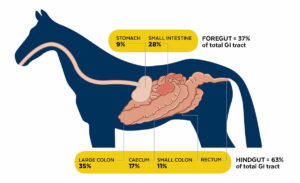
Maintaining the optimal weight for your horse is crucial for its overall health, performance, and well-being. Horses, like humans, can suffer from being overweight or underweight, which can lead to various health issues. Mastering horse weight management involves understanding their nutritional needs, monitoring their weight regularly, and adjusting their diet and exercise accordingly. This article provides key tips and strategies to help you achieve effective weight management for your horse.
Understanding Horse Weight Management
Weight management in horses is a multifaceted approach that requires a good understanding of equine nutrition, exercise, and regular health assessments. The goal is to maintain a balance between caloric intake and expenditure, ensuring that your horse maintains a healthy body condition score (BCS).
Importance of Body Condition Scoring (BCS)
The Body Condition Score is a system used to evaluate the amount of fat on a horse’s body. It ranges from 1 to 9, with 1 being emaciated and 9 being obese. A BCS of 4 to 6 is typically considered ideal for most horses. Regularly assessing your horse’s BCS helps you determine if your horse is underweight, overweight, or at an ideal weight, allowing you to make necessary dietary and management adjustments.
Key Tips for Managing Horse Weight
1. Regular Weighing and Monitoring
Regularly weighing your horse is vital in tracking weight changes over time. While using a weight tape or scale is effective, visual and tactile assessments are equally important. Examining the ribs, neck, and tailhead can provide insights into fat deposits and overall condition. Keep a log of your horse’s weight and BCS to identify trends and make informed decisions.
2. Balanced Nutrition
Horses require a balanced diet that aligns with their age, workload, and health status. The foundation of their diet should be high-quality forage, such as hay or grass, which provides essential fiber and nutrients. For horses needing additional calories, consider adding concentrates or supplements, but always consult with an equine nutritionist or veterinarian to ensure the diet is appropriate.
3. Portion Control
Avoid overfeeding by carefully measuring feed portions. Overfeeding can lead to obesity, while underfeeding can result in weight loss and nutritional deficiencies. Adjust feed portions based on your horse’s workload and environmental conditions, and ensure they have access to clean, fresh water at all times.
4. Exercise and Activity
Regular exercise is crucial for maintaining a healthy weight in horses. Tailor an exercise regime that suits your horse’s age, fitness level, and discipline. For overweight horses, gradual increases in exercise intensity and duration can help burn excess calories. For underweight horses, ensure exercise doesn’t exceed their energy intake, which could exacerbate weight loss.
5. Regular Veterinary Check-ups
Routine veterinary visits are essential to monitor your horse’s overall health and address any underlying issues that might affect weight. Conditions such as dental problems, metabolic disorders, or parasites can significantly impact a horse’s ability to maintain a healthy weight. Your veterinarian can help diagnose and treat any such conditions, ensuring optimal health and weight management.
Strategies for Specific Weight Management Challenges
Managing Overweight Horses
For overweight horses, the primary goal is to reduce calorie intake while increasing energy expenditure. Strategies include:
- Reducing or eliminating grain and concentrates from their diet.
- Providing low-calorie forage options, such as mature hay or using a grazing muzzle to limit pasture intake.
- Implementing a structured exercise program focused on increasing cardiovascular fitness and muscle tone.
Managing Underweight Horses
For underweight horses, it is essential to increase calorie intake in a healthy manner. Strategies include:
- Providing high-quality forage and adding calorie-dense feeds like beet pulp or rice bran.
- Feeding multiple small meals throughout the day to maximize nutrient absorption.
- Ensuring that the horse is free from any underlying health issues that might affect weight gain, such as dental problems or worm infestations.
Conclusion
Mastering horse weight management requires a comprehensive approach that involves regular monitoring, balanced nutrition, appropriate exercise, and professional veterinary care. By understanding the unique needs of your horse and implementing these key tips and strategies, you can help ensure your horse maintains a healthy weight, contributing to their overall health, longevity, and performance.
Remember, every horse is an individual, and what works for one may not work for another. Regularly assess and adjust your management strategies as necessary to meet your horse’s specific needs. With dedication and informed care, you can master the art of horse weight management, promoting a healthier, happier life for your equine companion.