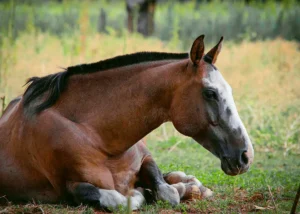
Horses, like humans, can experience stress, which can significantly affect their overall health and wellbeing. Understanding and managing stress in horses is crucial for maintaining their physical and mental health. This article explores the causes of stress in horses, its effects, and effective strategies for managing it to ensure your horse’s wellbeing.
Understanding Horse Stress
Stress in horses can be caused by a variety of factors, including environmental changes, social dynamics, physical discomfort, and training pressures. Recognizing the signs of stress is the first step toward effective management.
Signs of Stress in Horses
Horses often exhibit the following signs when stressed:
– Changes in behavior: Increased aggression or withdrawal
– Physical signs: Sweating, trembling, or rapid breathing
– Digestive issues: Colic or diarrhea
– Changes in eating habits: Refusal to eat or drink
– Poor performance: Reluctance to work or difficulty in training
Major Causes of Stress in Horses
Environmental Changes
Horses are creatures of habit and thrive in stable environments. Moving to a new location, changes in routine, or even alterations in the weather can induce stress.
Social Dynamics
Horses are social animals. Isolation from companions or conflicts within a herd can lead to stress. Introducing new horses can also disrupt social dynamics, causing anxiety.
Physical Discomfort
Pain or discomfort from injuries, illnesses, or poor-fitting tack can be significant stressors. Regular health checks are essential for identifying and addressing these issues promptly.
Training and Performance Pressure
Intense training schedules or competition pressures can overwhelm a horse. Ensuring that training is balanced with adequate rest and positive reinforcement is vital.
Effective Stress Management Strategies
Create a Stable Environment
A consistent and predictable routine can help minimize stress. Ensure that feeding, grooming, and exercise schedules are regular and that the living environment is comfortable and familiar.
Enhance Social Interaction
Facilitate positive social interactions by allowing horses to bond with compatible companions. Monitor herd dynamics to prevent bullying and ensure that all horses have access to resources like food and water.
Address Physical Health
Regular veterinary care, including dental and hoof care, is crucial. Ensure that all tack fits correctly, and monitor for signs of discomfort or pain. Provide a balanced diet tailored to your horse’s needs to support overall health.
Manage Training and Workload
Adjust training routines to suit your horse’s individual capabilities and needs. Incorporate rest days and vary activities to prevent boredom and fatigue. Positive reinforcement and patience can help build confidence and reduce stress.
Additional Tips for Stress Reduction
Provide Mental Stimulation
Engage your horse with toys, varied terrain, and different tasks to keep their mind active. Boredom can lead to stress, so providing mental challenges is important.
Utilize Relaxation Techniques
Incorporate relaxation into your horse’s routine with techniques such as massage, grooming, and calm handling. These activities can help soothe and comfort stressed horses.
Monitor and Adjust
Regularly assess your horse’s stress levels and adapt management strategies as necessary. Keeping a stress diary can help identify triggers and effective solutions.
The Role of Nutrition in Stress Management
A well-balanced diet plays a crucial role in managing stress. Adequate nutrition supports overall health, which can make horses more resilient to stress. Consider the following nutritional tips:
– Ensure a balanced intake of vitamins and minerals
– Provide adequate forage to promote natural grazing behaviors
– Consider supplements such as magnesium, which can help calm nervous horses
Conclusion
Effective stress management is vital for maintaining the wellbeing of horses. By understanding the causes and signs of stress, and implementing strategies to mitigate it, you can ensure that your horse remains healthy and happy. Consistent care, a stable environment, and attention to physical and mental health are the cornerstones of successful stress management in horses.
#ChatGPT assisted in the creation of this article.