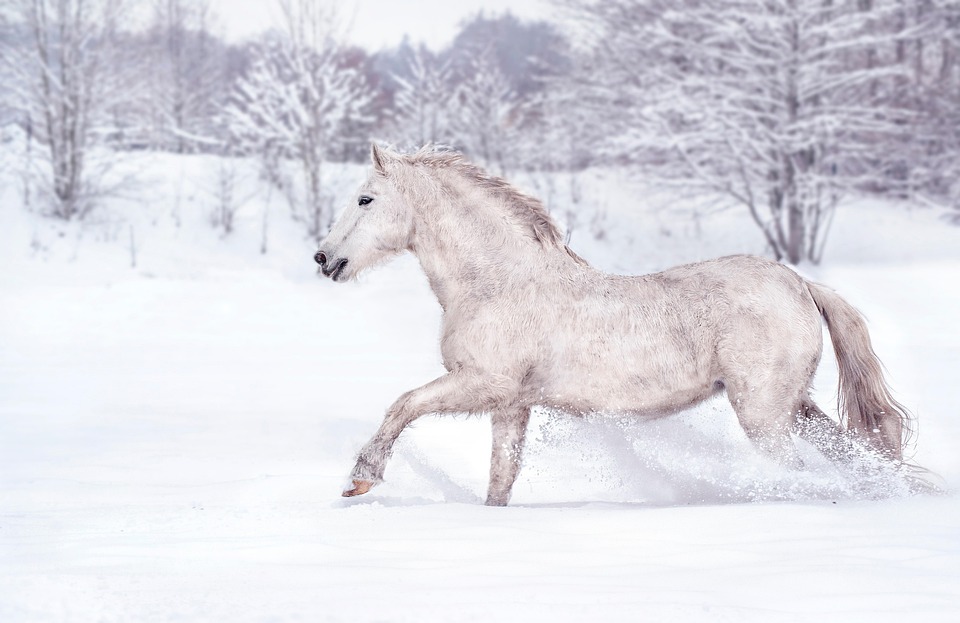
As winter approaches, horse owners must adapt their care routines to ensure their equine companions remain healthy and comfortable throughout the season. Cold weather, limited daylight, and challenging conditions can impact a horse’s health and wellbeing. This article will provide essential winter horse care tips that will help maintain optimal health and happiness for your horses during the colder months.
Understanding Winter Challenges
Winter presents unique challenges for horses and their caregivers. The cold temperatures can affect a horse’s metabolism, hydration, and overall health. Additionally, snow and ice can make it difficult to maintain exercise routines and access pasture. Understanding these challenges is the first step in adapting your care routine.
Providing Adequate Shelter
One of the most critical aspects of winter horse care is ensuring that horses have access to adequate shelter. While horses are naturally resilient to cold weather thanks to their thick winter coats, they still require protection from wind, rain, and snow.
Stable Accommodations
If your horse is stabled, ensure that the barn or stable is well-maintained, clean, and properly ventilated. Good ventilation helps prevent respiratory issues that can arise from dampness and ammonia buildup from urine.
Field Shelters
For horses kept outside, field shelters offer a refuge from harsh weather conditions. Ensure that these shelters are sturdy, have adequate space for all horses, and are positioned to block prevailing winds.
Nutritional Needs
Horses expend more energy in winter to maintain their body temperature, which means their caloric needs may increase. Adjusting their diet to meet these needs is crucial for maintaining their health and weight.
Forage First
Forage, such as hay, should be the foundation of a horse’s diet. It not only provides essential nutrients but also generates body heat through digestion. Ensure that your horse has constant access to clean, high-quality hay.
Supplementing with Grain
Depending on their workload and body condition, some horses may require additional grain or concentrates. Consult with a veterinarian or equine nutritionist to tailor a diet that meets your horse’s specific energy requirements.
Monitoring Weight
Regularly monitor your horse’s weight and body condition throughout the winter. Adjust their diet as needed to prevent weight loss or gain. Using a weight tape and body condition scoring can help track changes.
Hydration is Key
Ensuring that horses have access to fresh, unfrozen water is critical in winter. Dehydration can lead to impaction colic and other health issues.
Preventing Frozen Water
Use heated water buckets or automatic waterers to prevent water from freezing. Check water sources frequently to ensure they remain ice-free.
Encouraging Water Intake
Providing warm water can encourage horses to drink more. Additionally, adding salt or electrolytes to their diet can stimulate thirst.
Exercise and Turnout
Maintaining a regular exercise routine is important for a horse’s physical and mental health. However, winter conditions can make this challenging.
Safe Turnout
Ensure that pastures and turnout areas are free from ice and hazards. If turnout is limited, consider providing a safe area for your horse to move around and stretch its legs.
Indoor Exercise
If outdoor exercise is not possible, indoor riding arenas or lunging areas can provide space for exercise. Adjust the intensity and duration of workouts according to weather conditions and footing.
Hoof Care
Winter can be tough on a horse’s hooves, as wet and icy conditions can lead to issues like thrush and slipping.
Regular Trimming
Maintain a regular hoof trimming schedule to prevent overgrowth and imbalance. Discuss with your farrier whether your horse would benefit from shoes or traction devices.
Preventing Thrush
Keep hooves clean and dry to prevent thrush. Regularly pick out hooves and consider using a thrush treatment if needed.
Blanketing
Deciding whether to blanket your horse in winter depends on several factors, including their coat condition, age, health, and the severity of the weather.
Assessing the Need
Horses with thick winter coats may not require blanketing, while older or clipped horses might benefit from additional warmth. Monitor your horse’s comfort and adjust blanketing as needed.
Choosing the Right Blanket
If you choose to blanket, select a blanket that fits well and offers adequate warmth without overheating. Inspect blankets regularly for damage and ensure they remain dry and comfortable.
Monitoring Health
Vigilant monitoring of your horse’s health is crucial in winter, as illnesses can quickly escalate in cold weather.
Regular Health Checks
Perform regular health checks, including monitoring respiratory rate, checking for signs of illness, and assessing overall demeanor. Contact a veterinarian if you notice any abnormalities.
Vaccinations and Deworming
Ensure that your horse is up-to-date on vaccinations and deworming. Winter is a good time to review your horse’s health care plan with your veterinarian.
Conclusion
Proper winter horse care involves a combination of providing adequate shelter, meeting nutritional needs, ensuring access to fresh water, maintaining exercise routines, and monitoring health closely. By adapting your horse care practices to meet the challenges of winter, you can help your equine companions stay healthy and happy throughout the season. With careful attention and preparation, you can ensure that winter is a comfortable and enjoyable time for both you and your horses.