Equestrianism, or horseback riding, is an art that requires a blend of physical skill, mental acuity, and a deep connection with your horse. For those who have mastered the basics, advancing to the next level involves honing specific skills that can enhance your riding experience and performance. This article delves into advanced riding techniques and training practices to help equestrians elevate their skills and deepen their partnership with their equine companions.
Understanding the Foundation
Before diving into advanced techniques, it’s crucial to ensure that the foundational skills are solid. This includes a balanced seat, effective use of aids, and a deep understanding of horse behavior. Revisit these basics regularly to maintain a high level of proficiency.
Balanced Seat
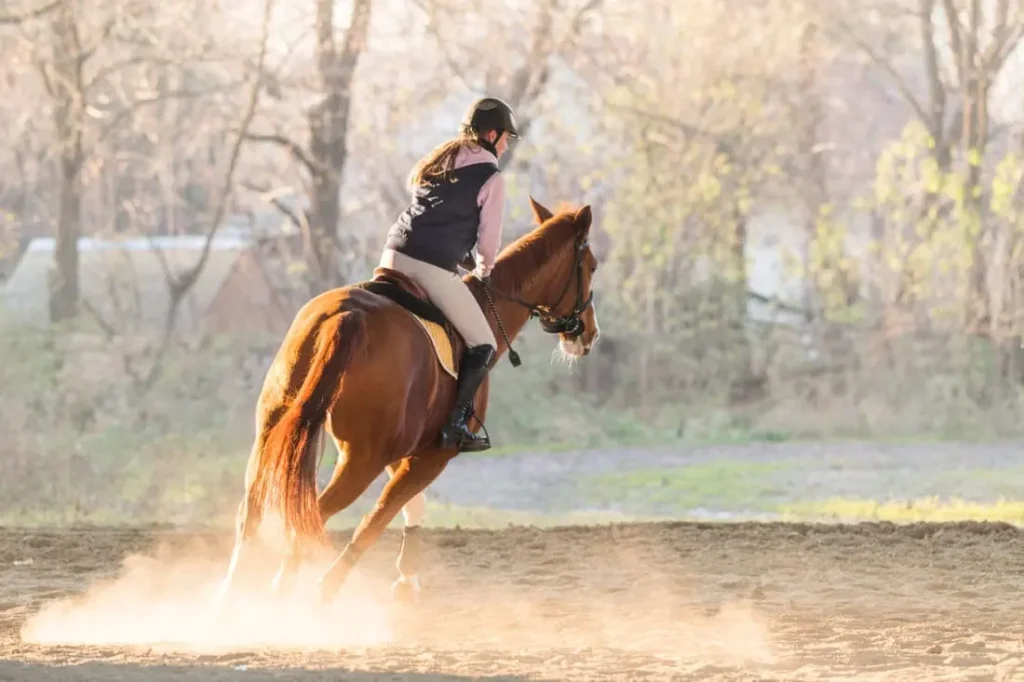
A balanced seat is the cornerstone of all riding activities. It allows you to move in harmony with your horse, providing stability and control. Focus on maintaining a straight line from your ear to your shoulder, hip, and heel. Practice exercises that improve your core strength and flexibility, such as yoga or Pilates, to support this balance.
Effective Use of Aids
Understanding how to use your aids—hands, legs, seat, and voice—effectively is vital for advanced riding. Each aid should be used independently yet in harmony with the others. Practice transitions, circles, and lateral movements to refine your coordination and timing.
Understanding Horse Behavior
Advanced riders must have an intuitive understanding of their horse’s behavior. Spend time observing and interacting with your horse outside of riding sessions. This will help you anticipate your horse’s reactions and respond appropriately during rides.
Advanced Riding Techniques
Once you’re confident in your foundation, it’s time to explore advanced riding techniques that can enhance your skills and broaden your riding repertoire.
Collection and Extension
Mastering the art of collection and extension is essential for dressage and other disciplines. Collection involves shortening your horse’s stride while maintaining energy and engagement, whereas extension is about lengthening the stride. Practice transitions between these two states, focusing on maintaining rhythm and balance.
Lateral Movements
Lateral movements, such as shoulder-in, haunches-in, and half-pass, are crucial for improving your horse’s suppleness and responsiveness. These exercises also enhance your ability to communicate subtly and precisely with your horse. Begin with basic lateral movements and gradually progress to more complex patterns.
Flying Changes
Flying changes, or changes of lead in the canter, are a challenging yet rewarding skill to master. They require precise timing and coordination. Start by practicing simple changes through trot or walk, and progressively work towards achieving clean flying changes.
Building a Partnership with Your Horse
Advanced riding is not just about technical skills; it’s also about building a strong partnership with your horse. This involves trust, communication, and mutual respect.
Trust and Confidence
Trust is the foundation of any successful partnership. Spend quality time with your horse, both in and out of the saddle, to build trust. Be consistent in your actions and reactions to help your horse gain confidence in you as a rider and leader.
Communication
Effective communication is key to a harmonious partnership. Pay attention to your horse’s body language and signals, and respond appropriately. Use clear, consistent cues and always reward positive behavior promptly.
Mutual Respect
Respect is a two-way street. Show respect for your horse’s abilities and limitations, and always prioritize their well-being. In turn, your horse will respect your leadership and guidance.
Training Regimen for Advanced Riders
To reach advanced levels, a structured training regimen is crucial. This involves setting goals, creating a balanced schedule, and incorporating cross-training.
Setting Goals
Set clear, achievable goals for both you and your horse. Goals give direction to your training and provide motivation. Break down larger goals into smaller, manageable milestones, and celebrate each achievement along the way.
Balanced Schedule
Maintain a balanced training schedule that includes a mix of schooling sessions, hacking, and rest days. This variety keeps your horse physically and mentally stimulated, reducing the risk of burnout.
Incorporating Cross-Training
Cross-training, such as trail riding, jumping, or groundwork, can improve your horse’s fitness and responsiveness. These activities also provide mental stimulation and help prevent boredom for both you and your horse.
Continuous Learning and Improvement
The journey to mastering advanced riding skills is ongoing. Embrace a mindset of continuous learning and improvement to keep evolving as an equestrian.
Seeking Feedback
Regular feedback from instructors, peers, or even video analysis can provide valuable insights into your riding. Constructive criticism helps identify areas for improvement and track progress.
Staying Updated
Stay informed about the latest developments in equestrian sports. Attend clinics, workshops, and seminars to learn new techniques and gain fresh perspectives.
Reflecting on Progress
Regularly reflect on your riding progress. Keep a journal to document your achievements, challenges, and insights. This practice encourages self-awareness and helps identify patterns or areas that need attention.
Conclusion
Mastering advanced riding skills requires dedication, patience, and a deep commitment to your horse. By focusing on technical skills, building a strong partnership, and maintaining a balanced training regimen, you can elevate your equestrian pursuits to new heights. Remember, the journey is as important as the destination, so enjoy every step along the way with your equine partner.
#ChatGPT assisted in the creation of this article.