Proper nutrition plays a crucial role in maintaining the health and well-being of horses. An optimized feeding schedule ensures that horses receive the right nutrients at the right times, which can significantly impact their performance, growth, and overall health. This article will explore strategies for optimizing a horse’s feeding schedule to promote peak health, considering factors such as age, activity level, and individual health needs.
Understanding Equine Nutritional Needs
Horses are herbivores with a digestive system designed to process a diet rich in fiber. Their natural feeding behavior involves grazing for 16 to 18 hours a day. This constant intake of small amounts of food helps maintain digestive health and prevent conditions like colic and gastric ulcers. Thus, any feeding schedule should aim to mimic this natural grazing behavior as closely as possible.
Key Nutrients for Horses
To optimize a horse’s feeding schedule, it’s essential to understand the key nutrients they require:
- Water: The most critical nutrient, horses should have constant access to fresh, clean water.
- Carbohydrates: Provide energy for daily activities and metabolic functions. Fiber is a primary carbohydrate source, found in hay and pasture grasses.
- Proteins: Necessary for muscle development, repair, and growth. High-quality hay and commercial feeds can provide the necessary protein levels.
- Fats: A concentrated energy source that can be particularly beneficial for high-performance horses.
- Vitamins and Minerals: Essential for various bodily functions, including immune support, bone health, and blood cell production.
Factors Influencing Feeding Schedules
Several factors should be considered when designing a feeding schedule for horses, including age, workload, health status, and natural grazing behavior.
Age
The nutritional needs of horses change with age. For example, foals require more protein and energy for growth, while older horses may need diets with high digestibility to support aging digestive systems.
Workload
Horses with varying activity levels require different feeding strategies. A racehorse will have significantly different energy and nutrient requirements compared to a pasture pet. Adjusting feed quantities and types based on activity levels is crucial for maintaining optimal health.
Health Status
Horses with specific health conditions, such as metabolic disorders or digestive issues, may need tailored feeding schedules and specialized diets. Regular veterinary consultations can help identify and address these needs.
Creating an Optimal Feeding Schedule
Developing an optimal feeding schedule involves aligning the horse’s nutritional requirements with their natural feeding habits. Below are steps to consider when crafting a schedule:
1. Frequent, Small Meals
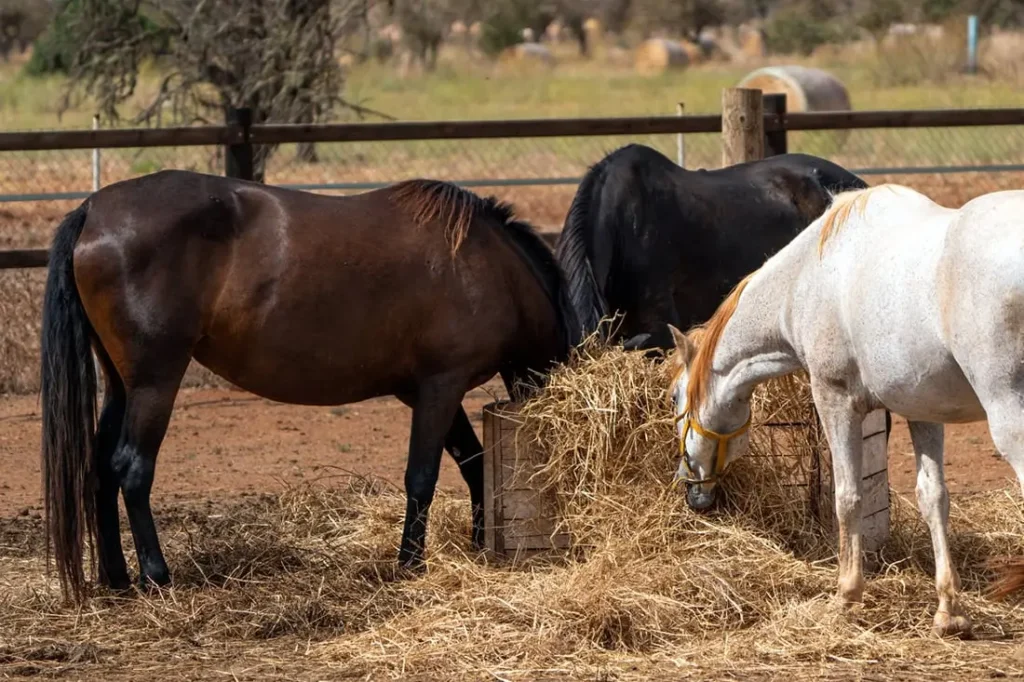
Horses have small stomachs relative to their size, which are adapted for continuous feeding. Providing small, frequent meals helps maintain a steady flow of nutrients and reduces the risk of digestive issues. Ideally, feed should be available around the clock, which can be achieved through pasture access or slow feeders.
2. Balance Forage and Concentrates
Forage should be the foundation of a horse’s diet, making up at least 50% to 100% of their daily intake. High-quality hay or pasture provides necessary fiber and nutrients. Concentrates such as grains and commercial feeds can supplement the diet, especially for horses with higher energy needs. It’s crucial to balance these to prevent overfeeding and nutritional imbalances.
3. Consistent Feeding Times
Horses thrive on routine. Keeping feeding times consistent helps their digestive system function more effectively and reduces stress, which can lead to health problems. Establish regular meal times and stick to them as closely as possible.
4. Monitor Body Condition
Regularly assess your horse’s body condition score (BCS) to ensure they are at a healthy weight. Adjust feeding amounts and types as necessary to maintain an optimal BCS. Overweight horses may need reduced concentrate intake, while underweight horses might require additional calories.
5. Adjust for Seasonal Changes
Seasonal changes can affect a horse’s nutritional needs. During colder months, horses may require more calories to maintain body temperature, while spring and summer may offer abundant pasture, necessitating adjustments to supplemental feed.
Special Considerations
Some horses have specific dietary needs that require special attention.
Senior Horses
As horses age, their ability to chew and digest food may decline. Senior feeds are formulated to be more digestible and provide balanced nutrition for older horses. Regular dental care is also crucial for maintaining their ability to process feed effectively.
Hard Keepers
Some horses naturally have higher metabolic rates and struggle to maintain weight. High-fat diets and additional feeding sessions can help provide the necessary calories for these “hard keepers.”
Horses with Health Issues
Horses with metabolic disorders, such as Equine Metabolic Syndrome or Cushing’s disease, may require low-sugar, low-starch diets. Consult with a veterinarian or equine nutritionist to develop a suitable feeding plan for these horses.
Monitoring and Adjustments
Optimizing a horse’s feeding schedule is an ongoing process. Regular monitoring and adjustments are necessary to ensure their dietary needs are met.
Regular Health Checks
Regular veterinary and dental check-ups are essential for identifying any health issues that may affect feeding and digestion. These check-ups can provide insights into necessary dietary adjustments.
Behavioral Observation
Pay attention to your horse’s behavior during feeding. Changes in appetite, eating speed, or demeanor can signal health issues or discomfort with the current feeding regimen.
Use of Technology
Various technologies, such as automatic feeders and wearable trackers, can help monitor and optimize feeding schedules. These tools can provide data on feeding times, quantities, and horse activity levels, helping to refine feeding strategies.
Conclusion
Optimizing a horse’s feeding schedule is a dynamic process that requires understanding their unique nutritional needs, natural behaviors, and environmental factors. By considering these elements and regularly evaluating your horse’s condition and behavior, you can develop a feeding schedule that supports their peak health and performance. Collaboration with veterinarians and equine nutritionists can further enhance the effectiveness of your feeding strategy.