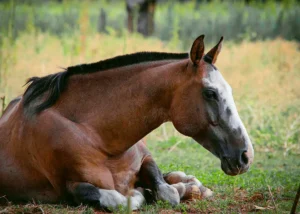
When it comes to maintaining the health and well-being of your horse, adopting a comprehensive approach is vital. Horses are magnificent creatures that require a balanced diet, regular exercise, routine veterinary care, and a secure living environment to thrive. This article will provide essential tips for promoting optimal health and wellness in your equine companion.
Balanced Nutrition
A horse’s diet is the cornerstone of its health. Providing balanced nutrition is essential for growth, energy, and overall wellness.
Understanding Equine Dietary Needs
Horses are herbivores with digestive systems designed to process a high-fiber diet. Their primary food source should be quality forage, such as hay or pasture, which aids in proper digestion and provides necessary nutrients. Additionally, horses may require grain or concentrate to supplement their energy needs, especially if they are in heavy work or breeding.
Importance of Hydration
Water is a critical component of a horse’s diet. Horses should have access to clean, fresh water at all times. Dehydration can lead to serious health issues such as colic and kidney problems. Monitoring water intake is especially important in extreme weather conditions.
Regular Exercise
Exercise is crucial for maintaining a horse’s physical and mental health.
Designing an Exercise Routine
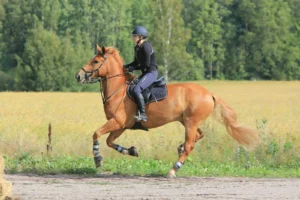
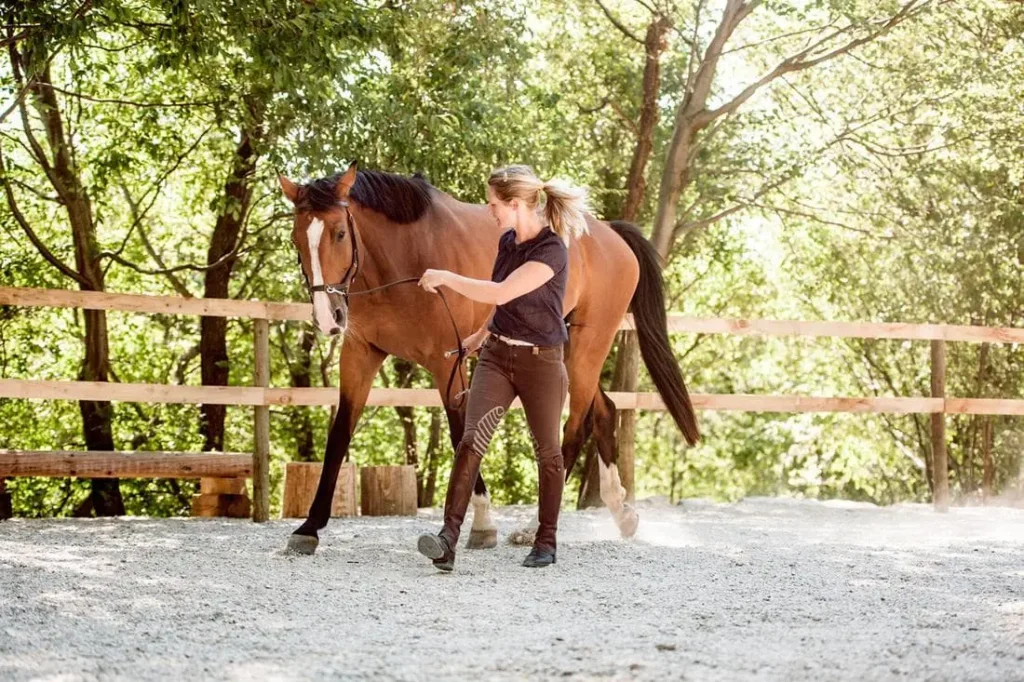
Creating a consistent exercise plan tailored to your horse’s age, breed, and workload is essential. Regular exercise helps in maintaining a healthy weight, improving cardiovascular health, and promoting muscle development. Activities such as riding, lunging, or even hand-walking can be beneficial.
Mental Stimulation
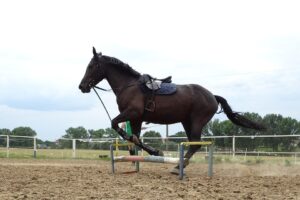
In addition to physical exercise, mental stimulation is necessary for a horse’s well-being. Incorporate activities like obstacle courses, trail rides, or introducing new environments to keep your horse mentally engaged.
Routine Veterinary Care
Regular veterinary check-ups are critical for early detection of potential health issues.
Vaccinations and Deworming
Maintaining an up-to-date vaccination schedule is essential to protect your horse from infectious diseases. Consult with your veterinarian to develop a tailored vaccination plan. Deworming is equally important, as internal parasites can severely impact a horse’s health. Regular fecal tests can help determine the best deworming strategy.
Dental Care
Horses require regular dental check-ups to prevent dental issues that can lead to pain and difficulty eating. A veterinarian should evaluate your horse’s teeth at least once a year to check for problems such as sharp edges, misalignments, or tooth decay.
Hoof Care
Proper hoof care is crucial to prevent lameness and other hoof-related problems.
Regular Trimming
Horses need regular hoof trimming, typically every 6-8 weeks, to maintain the correct hoof shape and prevent conditions such as overgrowth or imbalance. A professional farrier should handle this task to ensure the best results.
Hoof Health Maintenance
Daily cleaning and inspection of the hooves are essential to catch any signs of infection, injury, or foreign objects. Applying hoof conditioners can help maintain moisture balance and prevent cracking.
Safe and Comfortable Living Environment
Creating a safe and comfortable living environment is fundamental to a horse’s health.
Stable Management
A clean and well-ventilated stable is essential for preventing respiratory issues and promoting overall health. Regular mucking out, proper bedding, and adequate airflow are key components of good stable management.
Pasture Management
If your horse has access to pasture, ensure it is free of hazardous plants, debris, and fencing issues. Rotating pastures can help prevent overgrazing and maintain healthy grass growth.
Monitoring Health Indicators
Keeping an eye on your horse’s health indicators can help identify problems before they become serious.
Vital Signs
Familiarize yourself with your horse’s normal vital signs, including temperature, heart rate, and respiratory rate. Regularly monitoring these can help detect early signs of illness.
Behavioral Changes
Pay attention to any changes in your horse’s behavior, such as reduced appetite, lethargy, or unusual aggression. These may indicate underlying health issues that require veterinary attention.
Conclusion
Ensuring the wellness of your horse is a multifaceted responsibility that involves attention to nutrition, exercise, veterinary care, hoof maintenance, and environmental management. By following these essential tips, you can help your horse lead a healthy and fulfilling life. Regularly consulting with equine professionals and staying informed about best practices in horse care will further enhance your ability to provide optimal health for your equine companion.