Effective stable management is critical for ensuring the health and well-being of horses. Whether you’re managing a small private stable or a large commercial facility, optimizing your stable management practices can lead to significant improvements in horse health, behavior, and overall performance. This article explores key strategies for achieving optimal stable management, focusing on aspects such as stable design, nutrition, hygiene, exercise, and monitoring.
Stable Design and Environment
A well-designed stable is the foundation of good horse care. The environment should cater to the horses’ natural behaviors and needs, providing comfort, safety, and stimulation.
Ventilation and Lighting
Proper ventilation is crucial to maintaining air quality and reducing the risk of respiratory issues. Good airflow helps minimize the accumulation of dust, ammonia, and pathogens. Windows, roof vents, and fans can enhance air circulation. Additionally, adequate natural and artificial lighting is important for simulating natural day-night cycles, which can affect horses’ mood and behavior.
Space and Comfort
Horses need enough space to move comfortably in their stalls. The size of the stall should be appropriate for the horse’s size, allowing them to lie down, roll, and turn around without difficulty. Bedding material, such as straw, shavings, or specialized mats, should be chosen based on comfort, absorbency, and ease of cleaning.
Nutrition and Feeding Practices
Proper nutrition is essential for maintaining a horse’s health and performance. A well-balanced diet tailored to the horse’s age, breed, activity level, and health status is vital.
Forage and Concentrates
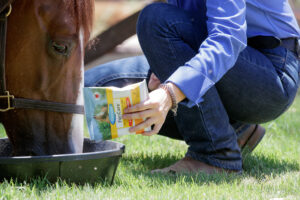
Horses are grazing animals and require a diet high in forage. High-quality hay or pasture should be the foundation of their diet, complemented by concentrates (grains or pelleted feeds) as needed. Forage should be clean, free from mold, and stored properly to preserve nutritional value.
Feeding Schedule
Establish a consistent feeding schedule to help maintain digestive health and reduce stress. Horses thrive on routine, and irregular feeding times can lead to gastric issues. Multiple small meals throughout the day better mimic natural grazing patterns and prevent issues like colic and ulcers.
Hygiene and Disease Prevention
Maintaining cleanliness in the stable is fundamental to preventing diseases and promoting a healthy environment for horses.
Regular Cleaning
Daily removal of manure and soiled bedding is critical. Stalls should be thoroughly cleaned to prevent the buildup of ammonia and bacteria. A deep clean, including disinfecting surfaces, should be scheduled regularly to minimize disease risk.
Biosecurity Measures
Implement biosecurity practices to prevent the introduction and spread of diseases. This includes controlling access to the stable, quarantining new or sick horses, and ensuring that staff and visitors adhere to hygiene protocols, such as disinfecting boots and equipment.
Exercise and Mental Stimulation
Adequate exercise and mental stimulation are vital components of horse care that contribute to physical health and mental well-being.
Exercise Routines
Horses require regular exercise to maintain muscle tone, cardiovascular fitness, and mental health. Whether through riding, lunging, or turnout, ensure each horse receives an appropriate level of physical activity based on their individual needs.
Mental Enrichment
Boredom and lack of stimulation can lead to behavioral issues. Incorporate mental enrichment activities, such as puzzle feeders, varied training, or social interactions with other horses, to keep horses engaged and mentally healthy.
Monitoring and Record Keeping
Consistent monitoring and detailed record-keeping are crucial for identifying potential health issues early and making informed management decisions.
Health Monitoring
Regular health checks, including weight monitoring, dental exams, and hoof care, are essential. Be vigilant for signs of illness or changes in behavior, appetite, or performance, and consult a veterinarian promptly if concerns arise.
Record Keeping
Keep detailed records of each horse, including vaccination schedules, deworming history, feeding regimens, and any medical treatments. This information is invaluable for managing health care and making informed decisions about each horse’s needs.
Conclusion
Optimizing horse stable management involves a comprehensive approach that considers the physical environment, nutrition, hygiene, exercise, and monitoring. By focusing on these key areas, stable managers can significantly enhance the health and well-being of their horses, leading to improved performance and longevity. Consistent evaluation and adaptation of management practices ensure that the stable remains a healthy and safe environment for horses.