Western riding is a popular and iconic style of horseback riding that traces its roots back to the American Old West. Known for its relaxed and functional style, Western riding is not only a staple in rodeos and ranches but also a favorite among recreational riders. If you’re a beginner looking to master Western riding, this article will provide you with essential tips to get started on your journey.
Understanding Western Riding
Before diving into the practical tips, it’s important to understand what Western riding entails. Unlike English riding, Western riding is characterized by a larger, heavier saddle with a horn, designed for comfort and practicality over long rides. The riding style emphasizes relaxed postures and subtle cues to communicate with the horse, making it ideal for both leisurely trail rides and working cattle.
Choosing the Right Horse
One of the first steps to mastering Western riding is choosing the right horse. While any horse can be trained for Western riding, certain breeds are more suited for this style due to their temperament and build. Quarter Horses, Paint Horses, and Appaloosas are popular choices because of their agility, calm demeanor, and versatility.
Consider Temperament and Training
As a beginner, it’s crucial to select a horse with a calm and patient temperament. Look for a horse that is already trained in Western riding, as this will make your learning process smoother and more enjoyable. An experienced horse can help you build confidence and understand the subtle cues involved in Western riding.
Essential Gear and Equipment
Having the right gear is essential for mastering Western riding. The key components of Western tack include the Western saddle, bridle, and reins. Here’s a quick overview of what you need:
Western Saddle
The Western saddle is designed for comfort and stability. Its distinct features include a deep seat, high cantle, and a horn at the front. When choosing a saddle, ensure it fits both you and your horse comfortably. A well-fitted saddle will help you maintain balance and control while riding.
Bridle and Reins
Western bridles typically have simple designs, often without a noseband. Ensure that the bridle fits your horse properly and that the bit is comfortable for them. Reins in Western riding are usually held in one hand, allowing for a relaxed and natural posture.
Developing Proper Riding Techniques
Mastering Western riding requires developing the right techniques. Here are some essential tips to help you get started:
Practice Balance and Posture
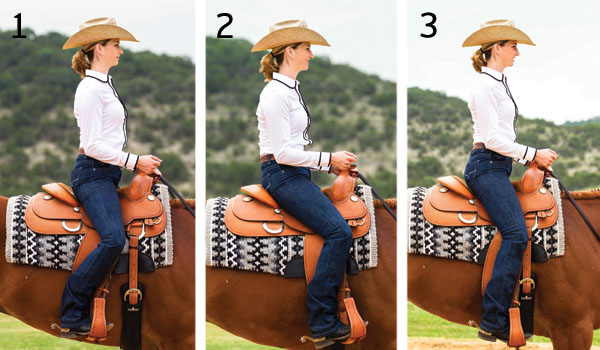
Balance and posture are crucial in Western riding. Sit deep in the saddle with your heels down and shoulders relaxed. Keep your back straight and your eyes focused ahead. This position will help you stay balanced and communicate effectively with your horse.
Learn to Use Subtle Cues
Western riding relies on subtle cues to communicate with the horse. Use gentle pressure from your legs and seat to guide your horse. Avoid pulling on the reins; instead, use them to offer soft guidance. Developing a soft touch will improve your connection with your horse and enhance your riding experience.
Practice Different Gaits
Western riding involves different gaits, including the walk, jog, and lope. Start by mastering the walk, focusing on maintaining a steady rhythm and smooth transitions. Once you’re comfortable, progress to the jog, a slow and controlled trot, and finally to the lope, a relaxed and rhythmic canter.
Building a Strong Partnership with Your Horse
Building a strong partnership with your horse is key to mastering Western riding. Here are some tips to help you establish trust and understanding:
Spend Time on Groundwork
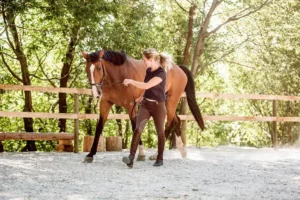
Groundwork is an essential part of building a strong bond with your horse. Spend time grooming, leading, and engaging in exercises that build trust and respect. Groundwork helps you understand your horse’s behavior and improves communication.
Consistency and Patience
Consistency and patience are crucial when training and riding your horse. Establish a regular routine and set achievable goals. Be patient and give your horse time to understand your cues and expectations. Positive reinforcement and clear communication will go a long way in building a successful partnership.
Safety and Common Challenges
Safety is paramount in Western riding. Here are some tips to ensure a safe and enjoyable experience:
Wear Appropriate Safety Gear
Always wear a well-fitted helmet and suitable riding boots. Protective gear is essential for preventing injuries and ensuring your safety while riding.
Addressing Common Challenges
As a beginner, you may encounter challenges such as balance issues, difficulty in communicating with your horse, or fear of falling. Seek guidance from experienced riders or instructors who can provide valuable feedback and support. Practice regularly, and don’t be afraid to ask for help when needed.
Finding the Right Instructor
Having a skilled instructor can significantly enhance your Western riding journey. An experienced instructor will provide valuable insights, correct your techniques, and offer personalized guidance. Look for someone who has a strong background in Western riding and a teaching style that matches your learning preferences.
Assessing Instructor Credentials
When selecting an instructor, consider their credentials and experience. Look for certifications from reputable equestrian organizations and seek recommendations from fellow riders. A good instructor will not only teach you riding skills but also help you develop a deeper understanding of Western riding principles.
Joining a Riding Community
Joining a riding community can provide you with support, encouragement, and opportunities to learn from others. Participate in local riding clubs, attend Western riding clinics, and connect with fellow enthusiasts online. Engaging with a community will enhance your learning experience and keep you motivated on your Western riding journey.
Conclusion
Mastering Western riding takes time, dedication, and practice, but the rewards are well worth the effort. By choosing the right horse, acquiring essential gear, developing proper techniques, and building a strong partnership with your horse, you’ll be well on your way to becoming a skilled Western rider. Remember to prioritize safety, seek guidance from experienced instructors, and connect with the riding community for ongoing support and inspiration. Enjoy the journey, and embrace the timeless art of Western riding.
#ChatGPT assisted in the creation of this article.