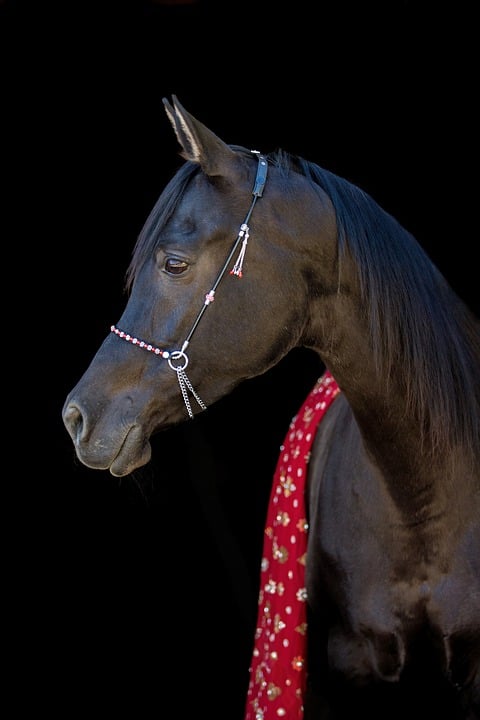
Horse Bridles
In the world of equestrian sports and leisure riding, the bridle is an essential piece of gear that plays a crucial role in communication between horse and rider. It is not merely a tool for control but a sophisticated piece of equipment that can enhance performance and ensure the comfort of both horse and rider. This ultimate guide to horse bridles will explore the various types available, their components, and how to choose the best one for optimal performance.
Understanding the Components of a Bridle
Before delving into the different types of bridles, it’s important to understand the basic components that make up a bridle:
1. Headstall
The headstall is the main part of the bridle that fits over the horse’s head. It consists of straps that hold the bit in place and are often adjustable to fit different sizes.
2. Bit
The bit is the part of the bridle that goes inside the horse’s mouth. It is a critical component for communication, as it applies pressure to the horse’s mouth, allowing the rider to give commands.
3. Reins
Reins are attached to the bit and are used by the rider to control the horse. They can be made from various materials such as leather, rubber, or synthetic fibers.
4. Browband
The browband runs across the horse’s forehead and helps keep the bridle in place. It can be plain or decorative.
5. Throatlatch
This strap prevents the bridle from slipping over the horse’s ears. It runs under the throat and is adjustable for a snug fit.
6. Noseband
The noseband encircles the horse’s nose and can help with control and encouraging the horse to maintain a certain head position.
Types of Bridles
The choice of bridle can greatly affect a horse’s performance and comfort. Here are some of the most common types of bridles:
1. Snaffle Bridle
The snaffle bridle is one of the most commonly used bridles and is suitable for both novice and experienced riders. It features a simple design with a single bit and is ideal for basic training and everyday riding.
2. Double Bridle
A double bridle, also known as a Weymouth bridle, incorporates two bits: a snaffle and a curb. This type of bridle is often used in advanced dressage, providing more refined control for experienced riders.
3. Western Bridle
Western bridles are used primarily in western riding disciplines. They often forgo a noseband and may include decorative elements such as silver accents and intricate leatherwork.
4. Bitless Bridle
As the name suggests, bitless bridles do not use a bit. Instead, they work through pressure applied on the horse’s face and head, offering a more humane option for some horses.
5. Hackamore
The hackamore is a type of bitless bridle that uses a noseband to control the horse. It is often used in western riding and can be a good option for horses with sensitive mouths.
Choosing the Right Bridle for Optimal Performance
Selecting the right bridle is crucial for ensuring both comfort and performance. Here are some factors to consider when choosing a bridle:
1. Fit
The fit of the bridle is paramount. A poorly fitted bridle can cause discomfort or even injury to the horse. It should sit snugly but not tightly, allowing room for movement without being loose.
2. Material
Bridles are typically made from leather, synthetic materials, or a combination of both. Leather is durable and traditional, while synthetic materials can be lighter and easier to maintain.
3. Discipline
Different riding disciplines may require specific types of bridles. For example, a double bridle might be necessary for advanced dressage, whereas a snaffle bridle might be ideal for jumping or general riding.
4. Horse’s Sensitivity
Some horses have sensitive mouths or faces and may benefit from a bitless bridle or a snaffle with a softer mouthpiece.
Maintaining Your Bridle
Proper maintenance of your bridle is essential for its longevity and performance:
1. Regular Cleaning
Leather bridles should be cleaned regularly with a quality leather cleaner and conditioner to prevent drying and cracking. Synthetic bridles can often be washed with soap and water.
2. Inspection
Regularly inspect your bridle for signs of wear and tear, such as frayed stitching or cracked leather. Replace any damaged parts immediately to prevent accidents.
3. Storage
Store your bridle in a cool, dry place away from direct sunlight. Use a bridle bag or hanger to maintain its shape and prevent damage.
Conclusion: Bridling for Success
Choosing the right bridle can make a significant difference in your riding experience. By understanding the different types of bridles and their components, you can select a bridle that enhances communication, comfort, and control. Whether you’re a competitive rider or enjoy leisurely rides, investing in a quality bridle that suits your horse’s needs and your riding style is a key step towards achieving optimal performance and enjoyment in the equestrian world. Always remember to prioritize your horse’s comfort and safety when making your selection, and maintain your equipment diligently to ensure it stands the test of time.