Owning a horse is a rewarding experience, but it comes with a responsibility to ensure that your equine companion enjoys a healthy and fulfilling lifestyle. A well-maintained stable is the cornerstone of your horse’s well-being, impacting everything from their physical health to their mental contentment. In this article, we will explore the ultimate stable lifestyle tips to transform your horse’s life, focusing on aspects such as stable design, bedding, feeding, and exercise.
Stable Design: Creating a Safe and Comfortable Environment
Optimal Space and Ventilation
The design of your horse’s stable plays a crucial role in their overall well-being. Horses need ample space to move comfortably within their stalls. Ideally, a stable should be at least 12×12 feet to accommodate the average horse, though larger breeds may require more space. Adequate ventilation is also essential to prevent respiratory issues. Ensure there are windows or vents that allow fresh air to circulate without causing drafts.
Lighting and Flooring
Natural lighting is beneficial for horses, so incorporate windows or skylights in the stable design. If natural light is limited, consider installing LED lights that mimic daylight. For flooring, rubber mats are an excellent choice. They provide cushioning, reduce the risk of injury, and are easier to clean compared to traditional concrete floors.
Choosing the Right Bedding
Types of Bedding
There are various bedding options available, each with its benefits. Straw is a traditional choice, providing warmth and comfort, but it requires regular replacement. Shavings are popular due to their absorbency and ease of cleaning, while shredded paper is dust-free and hypoallergenic. Consider your horse’s needs and any allergies when selecting bedding.
Bedding Maintenance
Maintaining clean bedding is crucial for your horse’s health. Remove soiled bedding daily and replace it with fresh material. Ensure the stable floor is dry before adding new bedding to prevent the growth of mold and bacteria. Regular maintenance will keep your horse comfortable and reduce the risk of health issues.
Feeding: Nutrition and Hydration
Balanced Diet
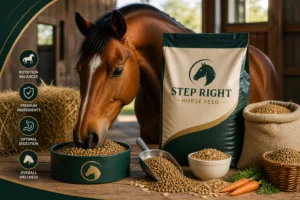
A balanced diet is vital for your horse’s health and performance. Ensure their diet includes a mix of high-quality hay, grains, and any necessary supplements. Tailor their diet to their age, weight, and activity level, consulting with a veterinarian or equine nutritionist if needed. Regularly monitor their weight to adjust their diet accordingly.
Hydration
Access to clean, fresh water is non-negotiable. Horses can consume between 5 to 10 gallons of water per day, depending on their size and activity level. Check their water supply frequently, ensuring it’s free from contaminants. In colder climates, consider using a heated water bucket to prevent freezing.
Exercise and Socialization
Regular Exercise Routine
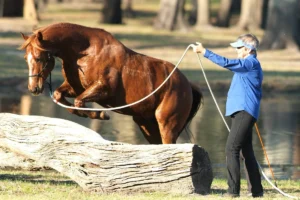
Exercise is essential for maintaining your horse’s physical and mental health. Develop a regular exercise routine that includes riding, lunging, or turnout sessions. Exercise improves cardiovascular health, strengthens muscles, and helps prevent obesity. Be mindful of your horse’s fitness level and gradually increase the intensity of workouts.
Social Interaction
Horses are social animals and benefit from interaction with other horses. If possible, provide opportunities for your horse to socialize in a safe environment. Turnout with other horses or supervised play sessions can help reduce stress and prevent behavioral issues. If your horse is kept alone, consider stable neighbors or visual contact with other horses.
Regular Health Checks
Veterinary Care
Regular veterinary care is essential for early detection and prevention of health issues. Schedule routine check-ups and vaccinations, keeping detailed records of your horse’s health history. Address any concerns promptly, as early intervention can prevent more serious problems down the line.
Dental and Hoof Care
Dental health is crucial for proper nutrition and comfort. Schedule dental check-ups at least once a year to address any issues such as sharp edges or misalignment. Hoof care is equally important, with regular trimming by a professional farrier to maintain healthy hooves and prevent lameness.
Environmental Enrichment
Toys and Stimuli
Enrich your horse’s stable environment with toys and stimuli that encourage mental engagement. Hanging balls, treat dispensers, and salt licks can provide entertainment and reduce boredom. Rotate toys regularly to maintain your horse’s interest and prevent habituation.
Natural Surroundings
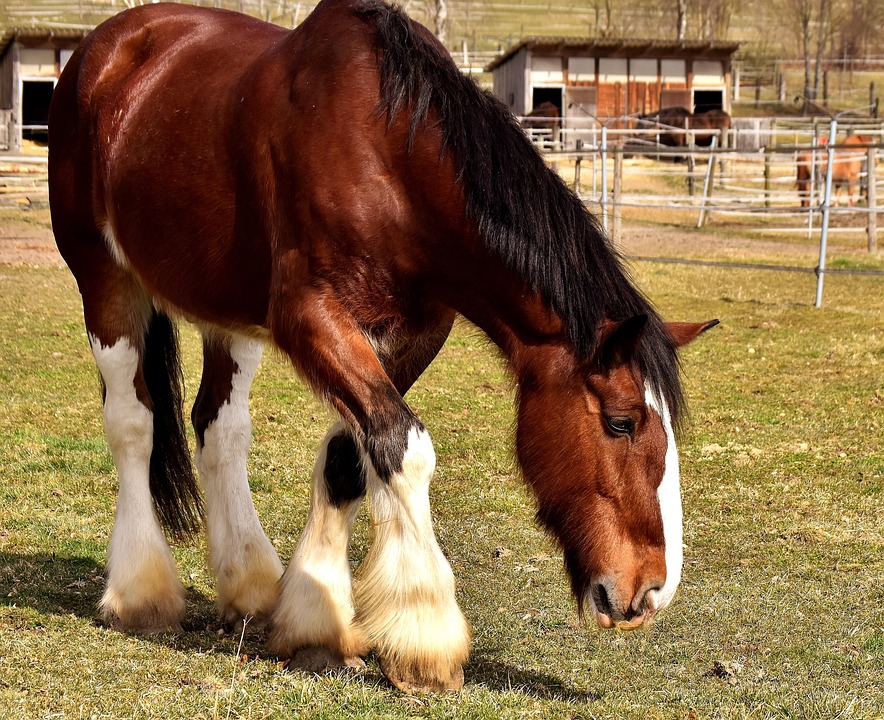
Whenever possible, incorporate elements of nature into your horse’s environment. Access to pasture, trees, or a view of the outdoors can enhance their well-being and provide mental stimulation. A natural setting can also encourage natural behaviors such as grazing and exploration.
Conclusion
Transforming your horse’s life begins with creating an optimal stable environment that addresses their physical and mental needs. By focusing on stable design, bedding, diet, exercise, health care, and enrichment, you can ensure your horse enjoys a fulfilling and healthy lifestyle. Remember, every horse is unique, so tailor these tips to suit their individual requirements, and consult with professionals whenever necessary. With dedication and care, you can provide your equine companion with the ultimate stable lifestyle.