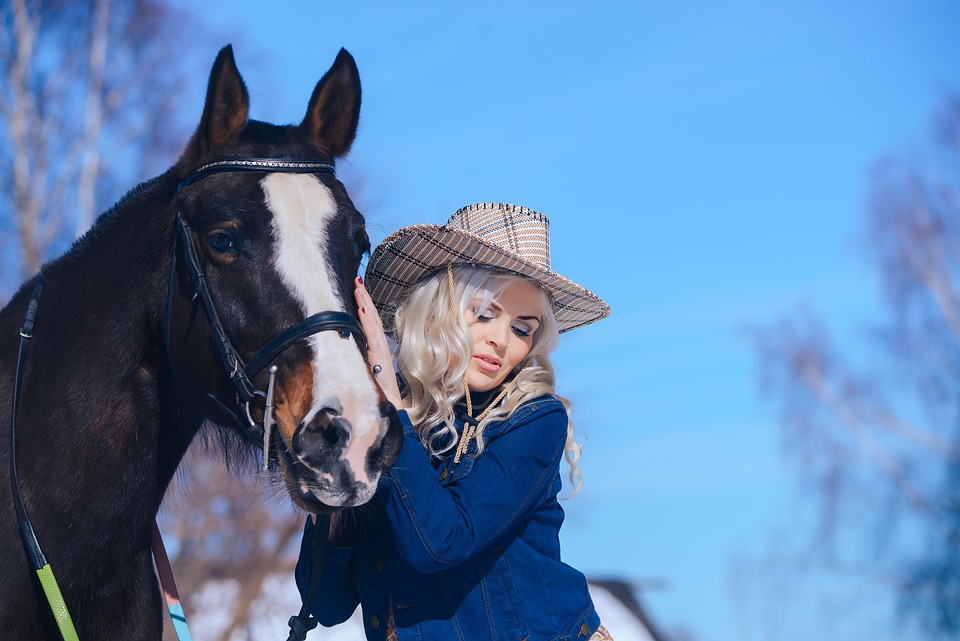
Horse Obedience
Mastering horse obedience is a critical aspect of horse training that ensures safety, enhances communication, and fosters a stronger bond between the horse and rider. Whether you are a seasoned equestrian or a novice rider, understanding and implementing effective training techniques can transform your horse into a responsive and reliable partner. In this article, we will explore proven training techniques that can help you master horse obedience, focusing on the fundamentals of groundwork, consistent communication, and positive reinforcement.
The Importance of Groundwork
Groundwork is the foundation of horse training and plays a vital role in establishing respect, trust, and mutual understanding. It involves working with your horse on the ground to teach basic commands and behaviors that will later translate into riding. Groundwork helps in developing the horse’s focus, improving manners, and establishing the leadership of the handler.
Building Trust and Respect
Before any successful training can occur, a horse must trust and respect its handler. This begins with consistent and gentle handling. Spend time grooming your horse and engaging in activities that promote relaxation, such as hand-walking and leading exercises. Establish clear boundaries and be firm yet fair in your expectations. Horses respect leaders who are consistent and calm.
Teaching Basic Commands
Start with simple commands like “walk,” “halt,” and “back.” Use a lead rope and halter, and apply gentle pressure to guide your horse into the desired action. Release the pressure immediately once the horse complies, reinforcing the behavior with a soothing voice or a pat. Consistent practice of these commands on the ground will prepare your horse for more complex tasks later on.
Consistent Communication
Effective communication is the cornerstone of horse obedience. Horses are keenly aware of body language, tone of voice, and the rider’s intent. Consistency in communication helps the horse understand what is expected and reduces confusion.
Body Language
Your body language should always be intentional and clear. Horses interpret body movements as cues, so it’s important to be mindful of your posture and gestures. Maintain an upright and relaxed posture to convey confidence and leadership. Use your body to direct the horse’s movement, such as stepping forward to encourage forward motion or stepping back to signal a halt.
Voice Commands
Pair verbal commands with body cues to enhance communication. Use a calm and steady voice, and be consistent with your verbal cues. Words like “whoa” for stopping or “trot” for transitioning to a faster pace should be introduced early in training and used consistently. Avoid shouting or using harsh tones, as this can agitate the horse.
Positive Reinforcement
Positive reinforcement involves rewarding the horse for desirable behavior, encouraging them to repeat the action. This technique builds a positive association with training and enhances the horse’s willingness to learn.
Rewarding Desirable Behavior
Rewards can take many forms, including treats, praise, or a gentle pat. Timing is crucial; the reward should be given immediately after the desired behavior is performed to strengthen the connection between the action and the reward. For instance, if a horse successfully responds to a command, reward them promptly to reinforce the behavior.
Clicker Training
Clicker training is a popular form of positive reinforcement that uses a distinct sound to mark the desired behavior, followed by a reward. The clicker sound acts as a bridge between the action and the reward, making it clear to the horse what behavior is being reinforced. This method can be highly effective in teaching new behaviors and refining existing ones.
Advanced Training Techniques
Once the basics are mastered, you can introduce more advanced training techniques to further enhance your horse’s obedience. These techniques require patience, consistency, and a deep understanding of your horse’s personality and learning style.
Longeing
Longeing is a technique used to improve the horse’s balance, suppleness, and obedience. It involves working the horse in a circle on a longe line, allowing the trainer to control the horse’s pace and direction from a distance. This exercise helps reinforce voice commands and provides an opportunity to assess and improve the horse’s gaits.
Desensitization
Desensitization involves exposing the horse to various stimuli in a controlled environment to reduce fear and build confidence. This training is particularly useful for horses that are easily spooked or nervous. Gradually introduce new objects or sounds, allowing the horse to investigate at their own pace. Reward calm behavior, and be patient as your horse learns to trust and accept new experiences.
Overcoming Common Challenges
Training horses can come with its fair share of challenges. Understanding common issues and employing effective strategies can help overcome these obstacles and ensure a successful training journey.
Dealing with Resistance
Resistance can occur when a horse is confused, fearful, or unwilling to perform a task. It’s important to remain calm and patient, identifying the root cause of the resistance. Break down the task into smaller, manageable steps, offering plenty of encouragement and rewards along the way.
Maintaining Consistency
Consistency is key in horse training, but it can be challenging to maintain. Set a regular training schedule and stick to it, ensuring that commands and expectations remain the same across sessions. Inconsistent training can lead to confusion and hinder progress.
Conclusion
Mastering horse obedience requires dedication, patience, and a deep understanding of equine behavior. By focusing on groundwork, maintaining consistent communication, and employing positive reinforcement, you can build a strong foundation for a successful partnership with your horse. As you progress to more advanced techniques, always prioritize the horse’s well-being and learning pace. With commitment and care, you will cultivate a responsive, obedient, and happy horse.
#ChatGPT assisted in the creation of this article.