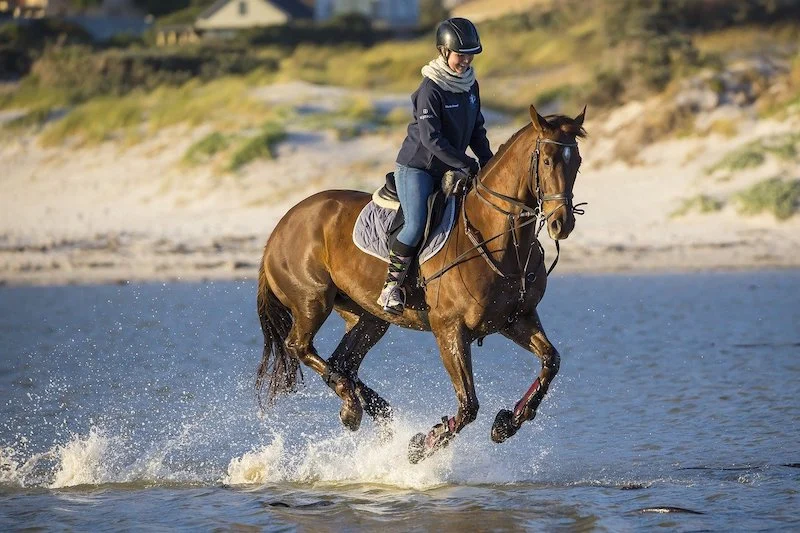
English Riding
English riding is a sophisticated and widely practiced equestrian discipline that emphasizes balance, precision, and finesse. For beginners, mastering English riding can be an exciting journey filled with learning and discovery. Whether you aim to compete in events like dressage or show jumping, or you simply want to enjoy riding as a hobby, understanding the basics of English riding is crucial.
Understanding the Basics of English Riding
The English Saddle
The English saddle is designed to allow the rider to have close contact with the horse, which is essential for effective communication and balance. It is lighter and smaller compared to the Western saddle, providing less cushioning but more freedom for the rider’s movements. Beginners should familiarize themselves with the parts of the saddle, including the pommel, cantle, stirrups, and girth.
Proper Riding Attire
Wearing the correct attire is not only about appearance but also safety and comfort. Essential clothing includes a well-fitted helmet, riding boots with a heel to prevent slipping through the stirrups, breeches or jodhpurs for flexibility, and gloves for a firmer grip on the reins.
Basic Riding Positions
In English riding, the rider’s posture is crucial for maintaining balance and control. The basic riding position involves sitting upright with a straight back, shoulders back, heels down, and eyes forward. Your hands should be steady, holding the reins with a gentle but firm grip.
Developing Key Riding Skills
Mounting and Dismounting
Properly mounting and dismounting your horse is a fundamental skill. To mount, approach the horse from the left side, place your left foot in the stirrup, and swing your right leg over the horse’s back while maintaining balance. Dismounting involves sliding down gently while keeping control of the reins.
Walking, Trotting, and Cantering
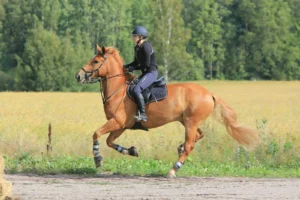
Mastering the basic gaits of walking, trotting, and cantering is essential for any beginner. Start with walking to get accustomed to the horse’s movements. Trotting can be done in a sitting or posting position, where you rise and fall in rhythm with the horse’s gait. Cantering is a faster, more extended stride and requires a secure seat and good balance.
Steering and Stopping
Learning to steer your horse involves using your legs, reins, and body weight effectively. To turn, gently pull on the rein in the direction you wish to go, while applying pressure with your opposite leg. Stopping the horse requires pulling back on both reins gently, while sitting deep in the saddle to signal the halt.
Building a Relationship with Your Horse
Understanding Horse Behavior
A successful rider-horse partnership is built on understanding and trust. Spend time observing your horse’s behavior, body language, and responses to various cues. This helps you anticipate and react appropriately to your horse’s needs.
Grooming and Care
Regular grooming not only keeps your horse clean but also strengthens your bond. Use a curry comb to loosen dirt, a stiff brush to remove debris, and a soft brush for finishing touches. Don’t forget to clean the hooves and check for any signs of injury or discomfort.
Reward and Reinforcement
Positive reinforcement is key in training. Reward your horse with treats, pats, or soothing words when it responds correctly to your commands. This encourages good behavior and helps build trust.
Safety Tips for Beginner Riders
Understanding Risk Factors
Riding inherently involves some risks, but many can be mitigated with proper precautions. Always wear a helmet, ensure your tack fits correctly, and ride in a safe, enclosed area.
Emergency Dismounts
While emergencies are rare, knowing how to perform an emergency dismount can prevent injuries. Practice dismounting quickly and safely, while maintaining control over your horse.
Staying Calm and Confident
Your horse can sense your emotions, so staying calm and confident is crucial. If you feel nervous, take deep breaths and focus on maintaining a steady posture. Confidence comes with practice and experience.
Advancing Your Skills
Taking Lessons
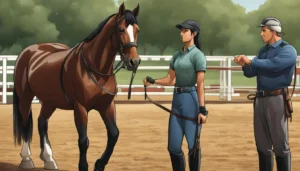
Professional instruction is invaluable for improving your riding skills. An experienced instructor can provide personalized feedback and help you progress faster. Consider taking lessons at a reputable riding school.
Participating in Events
Once you’re comfortable with the basics, consider participating in events such as local shows or beginner dressage competitions. These experiences can be rewarding and offer opportunities to learn from other riders.
Continuing Education
Riding is a lifelong learning experience. Keep expanding your knowledge by reading books, watching instructional videos, and attending clinics. Stay open to new techniques and ideas to refine your skills further.
Conclusion
English riding is a rewarding discipline that combines skill, understanding, and partnership with your horse. As a beginner, focus on mastering the basics, building a strong relationship with your horse, and prioritizing safety. With dedication and practice, you can become a proficient English rider and enjoy the many joys this equestrian sport offers. Remember, every rider starts as a beginner, and every step forward is a step towards mastery.
#ChatGPT assisted in the creation of this article.