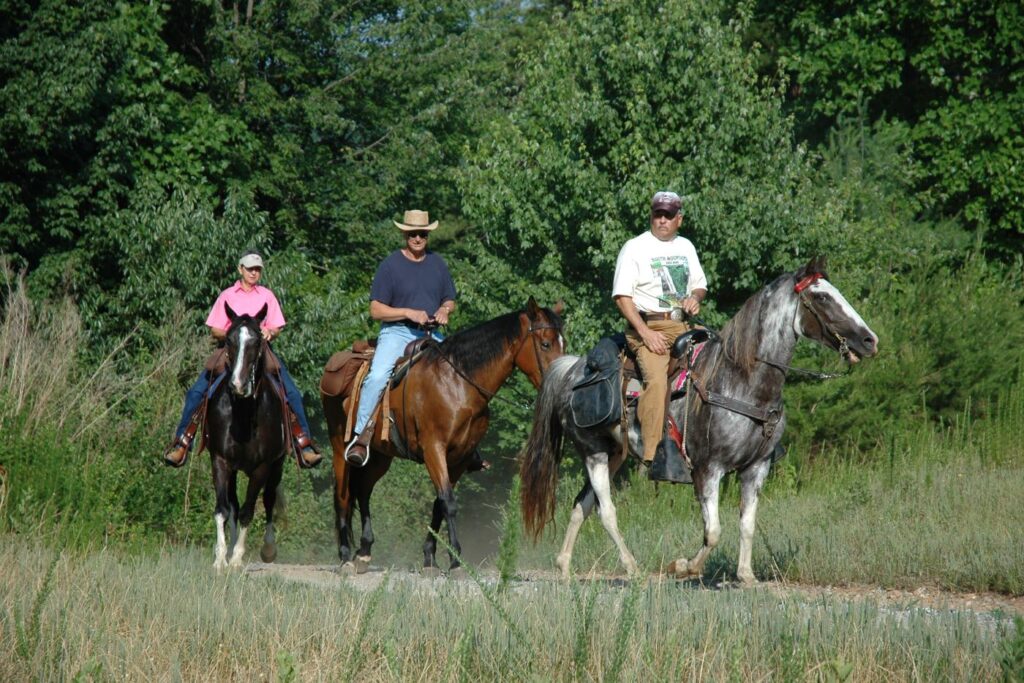
Trail riding is a magnificent way to immerse oneself in the beauty of nature while enjoying a fulfilling horseback experience. However, mastering trail riding requires more than just hopping on a horse and heading down a path. It demands an understanding of safety protocols, horse behavior, and environmental awareness. This article delves into essential tips for ensuring safe and enjoyable trail-riding adventures.
Choose the Right Horse
One of the most critical aspects of safe trail riding is selecting the appropriate horse. Not all horses are suited for the unpredictability of trail environments. Here are factors to consider:
Temperament and Experience
A calm and steady horse is ideal for trail riding. Look for a horse with experience in navigating various terrains and one that responds well to the rider’s cues. Horses with a nervous disposition or those easily spooked may not be suitable for trail adventures.
Physical Fitness
Ensure that your horse is physically fit and healthy. Trail riding can be demanding, requiring endurance and strength. Regular veterinary check-ups and a proper conditioning program are essential to maintain your horse’s fitness levels.
Understand the Terrain
Different trails present unique challenges. Understanding the terrain is vital for a safe ride. Here are tips for various trail types:
Mountain Trails
Mountain trails can be steep and rocky. It is crucial to maintain a slow and steady pace, allowing your horse to navigate safely. Ensure your horse is shod properly to prevent slipping and provide adequate protection against sharp rocks.
Forest Trails
Forest trails often have low-hanging branches and uneven ground. Keep an eye out for obstacles and use a well-fitted saddle to ensure you and your horse are comfortable. Stay alert for wildlife that might startle your horse.
Desert Trails
In arid environments, water availability becomes a concern. Plan your ride to include water sources, and carry sufficient water for both you and your horse. Be mindful of the temperature and avoid riding during the hottest parts of the day.
Prepare Adequately
Preparation is key to a successful trail ride. Here are some preparation tips:
Route Planning
Familiarize yourself with the trail before setting out. Use maps or GPS devices to plan your route. Inform someone about your plan and estimated return time for safety purposes.
Pack Essentials
Carry a trail pack with essentials such as a first aid kit, water, snacks, a hoof pick, and a multi-tool. A sturdy halter and lead rope can be invaluable in case of emergencies.
Dress Appropriately
Wear a helmet at all times. Choose comfortable, weather-appropriate clothing and boots with a heel to prevent your foot from slipping through the stirrup.
Practice Good Riding Etiquette
Trail riding often involves sharing the path with other riders, hikers, and cyclists. Observing good etiquette ensures a pleasant experience for everyone.
Respect Other Trail Users
Yield the trail to hikers and bikers unless otherwise posted. Communicate courteously with other trail users to avoid startling each other.
Leave No Trace
Preserve the natural beauty of the trails by adhering to the Leave No Trace principles. Pack out all trash, avoid damaging vegetation, and stick to designated paths.
Ensure Horse Comfort
A comfortable horse is a happy horse, and ensuring your horse’s comfort will contribute to a safe ride.
Saddle Fit
A well-fitting saddle is crucial to avoid sores and discomfort. Regularly check the fit of your saddle and make adjustments as necessary.
Breaks and Hydration
Schedule regular breaks during your ride to allow your horse to rest and hydrate. This is especially important on longer rides or in hot weather.
Be Prepared for Emergencies
Even with the best preparation, emergencies can occur. Knowing how to handle them is crucial.
Basic First Aid
Familiarize yourself with basic first aid for both humans and horses. Carry a first aid kit and know how to use it.
Emergency Communication
Ensure you have a means to contact someone in case of emergencies, such as a cell phone or a radio. Know the location of the nearest help or exit points on the trail.
Build a Bond with Your Horse
A strong bond with your horse can greatly enhance your trail riding experience and safety.
Trust and Communication
Invest time in building trust and communication with your horse. A horse that trusts its rider is less likely to panic in unfamiliar situations.
Training and Desensitization
Regular training sessions that include desensitization exercises can prepare your horse for unexpected stimuli on the trail. Introduce your horse to different terrains and obstacles in a controlled environment before tackling them on the trail.
Conclusion
Trail riding offers unparalleled opportunities to connect with nature while strengthening the bond with your horse. By choosing the right horse, understanding the terrain, preparing adequately, practicing good etiquette, ensuring your horse’s comfort, being ready for emergencies, and building a strong bond with your horse, you can master the art of trail riding. Prioritizing safety and respect for the environment will ensure that your trail riding adventures are not only safe but also memorable and enjoyable for both you and your horse.