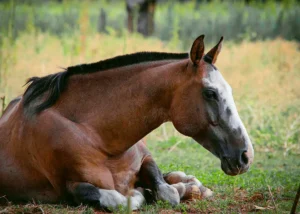
Caring for a horse can be a fulfilling and rewarding experience, but it also comes with significant responsibilities. Horses are majestic creatures that require a dedicated approach to ensure their health and well-being. Whether you’re a first-time horse owner or considering stepping into the world of equestrian care, this guide offers essential tips to help you navigate the basics of horse care.
Understanding Basic Needs
Horses have specific needs that must be met to maintain their health and happiness. These include proper nutrition, shelter, exercise, and companionship. Understanding and meeting these needs is the foundation of effective horse care.
Nutrition
A balanced diet is crucial for a horse’s health. Horses are grazers by nature, and their diet should primarily consist of high-quality forage like hay or pasture grass. Depending on the horse’s workload, age, and health, additional grains or supplements might be necessary. Always provide access to clean, fresh water. Consulting with a veterinarian or an equine nutritionist can help tailor the diet to your horse’s specific needs.
Shelter
Horses need protection from extreme weather conditions. A well-ventilated barn or a sturdy run-in shed will provide shelter from rain, wind, snow, and excessive sun. The shelter should be dry and clean, with sufficient space for your horse to move comfortably.
Exercise
Regular exercise is vital for a horse’s physical and mental well-being. It helps maintain a healthy weight, supports muscle development, and prevents boredom. The type and amount of exercise will depend on the horse’s breed, age, and training. Riding, lunging, and turnout in a pasture are common ways to ensure your horse receives adequate exercise.
Companionship
Horses are social animals and thrive in environments where they have companionship. If possible, allow your horse to interact with other horses. If owning multiple horses is not feasible, consider other forms of interaction, such as spending time grooming or engaging in activities with your horse to fulfill their social needs.
Daily Care Routine
Establishing a daily care routine is pivotal in maintaining your horse’s health. Consistency in care helps prevent health issues and strengthens the bond between you and your horse.
Grooming
Regular grooming not only keeps your horse looking its best but also provides an opportunity to check for injuries or abnormalities. Brush your horse daily to remove dirt and debris, and clean their hooves to prevent infections. Regular grooming sessions can also be a bonding time for you and your horse.
Health Checks
Performing regular health checks is essential. Monitor your horse’s weight, check for signs of illness, and ensure vaccinations and deworming schedules are up to date. Regular visits from an equine veterinarian will help keep your horse in optimal health.
Hoof Care
Hoof health is critical to a horse’s overall well-being. Regular trimming by a professional farrier is essential to prevent lameness and other hoof-related issues. Depending on your horse’s activity level and environment, shoeing might be necessary.
Creating a Safe Environment
Ensuring that your horse’s living environment is safe is key to preventing injuries and promoting well-being.
Pasture Management
Regularly inspect pastures for hazards such as holes, toxic plants, and broken fences. Rotate grazing areas to prevent overgrazing and maintain healthy forage. Ensure that the fencing is sturdy and free of sharp edges that could injure your horse.
Stable Safety
Stables should be clean, dry, and well-maintained. Ensure that all equipment is stored securely and out of your horse’s reach. Regularly check for any potential hazards, such as protruding nails or loose boards, and address them promptly.
Understanding Horse Behavior
Understanding your horse’s behavior is crucial in providing effective care. Horses communicate through body language, and being able to interpret their signals can prevent accidents and strengthen your relationship.
Recognizing Signs of Stress
Horses may exhibit signs of stress through behaviors such as pacing, cribbing, or excessive vocalization. Identifying stressors in your horse’s environment and addressing them can greatly improve their quality of life.
Training and Handling
Gentle and consistent training helps build trust and respect between you and your horse. Use positive reinforcement techniques to encourage good behavior, and always handle your horse with patience and care.
Conclusion
Caring for a horse is a rewarding journey that requires dedication, knowledge, and a deep understanding of equine needs. By focusing on nutrition, shelter, exercise, companionship, and safety, you can ensure a healthy and happy life for your horse. Consistent care routines, regular health checks, and understanding your horse’s behavior will pave the way for a strong bond and a fulfilling equestrian experience. As you embark on this journey, remember that learning and adapting are part of the process. With patience and commitment, you will become a confident and capable horse owner.
#ChatGPT assisted in the creation of this article.