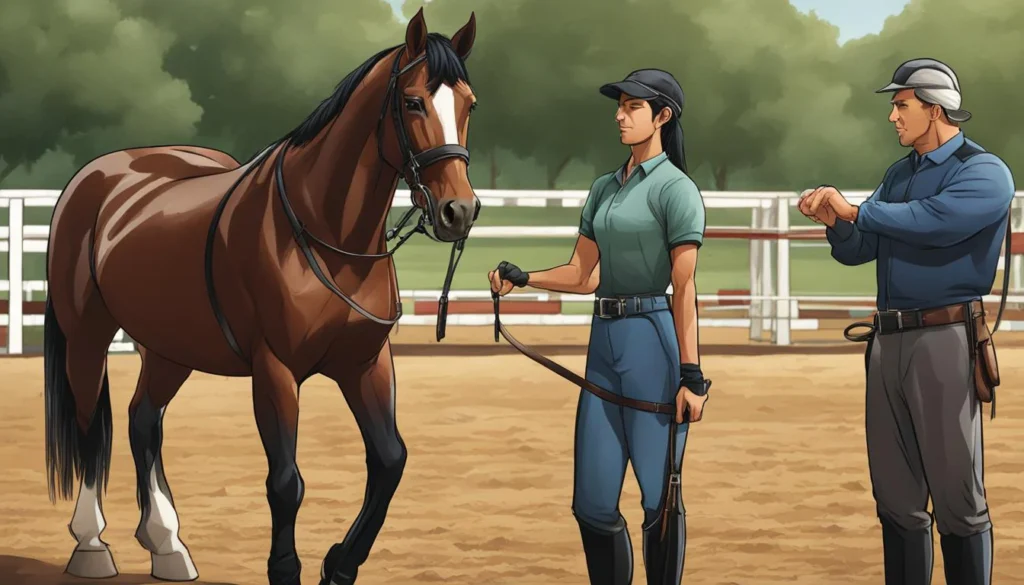
Horse training is an intricate art that requires not only skill and patience but also a deep understanding of equine behavior. Horses, as prey animals, have evolved with certain instincts and ways of interacting with their environment. Mastering these aspects of equine behavior is crucial for anyone looking to train horses effectively. This article delves into the fundamental principles of equine behavior and how they can be leveraged to enhance training outcomes.
Understanding Equine Psychology
Before diving into training techniques, it’s essential to understand the psychological makeup of horses. Horses are herd animals, which means they are naturally inclined to follow a leader. This herd mentality is pivotal in establishing a trusting relationship between the horse and the trainer. Moreover, horses communicate primarily through body language, which includes subtle cues such as ear positioning, tail movement, and posture.
The Importance of Leadership
In the wild, horses rely on a hierarchy within their herd for survival. When training, you must establish yourself as a benevolent leader. This does not mean using force or intimidation, but rather earning the horse’s trust and respect. Consistency, confidence, and calmness are key attributes of a good leader in the eyes of a horse.
Reading Body Language
Horses are highly perceptive animals, and their body language can tell you a lot about their emotional state. For instance, pinned-back ears may indicate fear or aggression, while relaxed ears suggest calmness. A swishing tail can signify irritation, whereas a gently swinging tail might mean the horse is at ease. By learning to read these signals, trainers can adjust their approach to suit the horse’s mood and comfort level, thereby enhancing the training process.
Building a Strong Foundation
Just as with any training program, a solid foundation is crucial for success. This foundation involves building trust, establishing effective communication, and ensuring the horse is comfortable and healthy.
Establishing Trust
Trust is the cornerstone of any successful training relationship. Spend time with the horse outside of training sessions to build a rapport. Grooming, hand-walking, and simply being present can help the horse associate you with positive experiences. Always approach the horse calmly and confidently, and avoid sudden movements or loud noises that might startle them.
Effective Communication
Communication with a horse goes beyond verbal commands. It encompasses the use of body language, gestures, and even the energy you project. Horses are incredibly sensitive to the emotions and intentions of those around them. Clear, consistent signals help the horse understand what is expected of them. For instance, using the same cues for specific actions ensures the horse can make a connection between the cue and the desired behavior.
Ensuring Comfort and Health
A horse that is comfortable and healthy is more likely to respond positively to training. Regular veterinary check-ups, a balanced diet, and appropriate exercise are crucial. Additionally, ensure that the training environment is safe and free of distractions. A happy and healthy horse is a more receptive and engaged learner.
Implementing Effective Training Techniques
With a strong foundation in place, trainers can begin to implement specific training techniques. These methods should be grounded in understanding and respect for the horse’s nature, leveraging their instincts and behaviors to achieve the desired outcomes.
Positive Reinforcement
Positive reinforcement is one of the most effective training techniques for horses. This involves rewarding the horse for desired behaviors, which encourages them to repeat these actions. Rewards can include treats, praise, or even a break from work. The key is to ensure that the reward is immediately associated with the desired behavior, reinforcing the connection in the horse’s mind.
Desensitization
Horses are naturally wary of new or unfamiliar objects and situations. Desensitization involves gradually exposing the horse to these stimuli in a controlled manner, helping them to become accustomed and reducing fear or anxiety. This can be particularly useful in preparing horses for environments they might encounter outside of their usual surroundings, such as shows or competitions.
Consistency and Patience
Consistency is critical in horse training. Horses thrive on routine and repetition, which helps solidify learning. Patience is equally important. Training can be a slow process, and pushing a horse too quickly can lead to frustration and setbacks. Recognize and celebrate small victories along the way, maintaining a positive and encouraging atmosphere.
Addressing Behavioral Challenges
Even the most well-trained horses may occasionally exhibit behavioral challenges. Understanding the root cause of these behaviors is the first step in addressing them effectively.
Identifying the Cause
Behavioral issues can arise from a variety of sources, including fear, pain, and confusion. Spend time observing the horse to determine what might be causing the problem. For example, a horse that is reluctant to move forward might be experiencing discomfort from an ill-fitting saddle. Addressing the underlying cause rather than just the symptoms is crucial for long-term success.
Developing a Plan
Once the cause of the behavior is identified, develop a plan to address it. This might involve adjusting the training routine, seeking veterinary advice, or employing specific training techniques. In some cases, enlisting the help of an experienced trainer or behaviorist can provide valuable insights and guidance.
Conclusion
Mastering equine behavior is an ongoing journey that requires dedication, empathy, and a willingness to learn. By understanding the psychological makeup of horses and employing training techniques that respect their natural instincts, trainers can build a strong, trusting relationship with their equine partners. This not only enhances the effectiveness of training but also leads to a more fulfilling and rewarding experience for both horse and trainer.
#ChatGPT assisted in the creation of this article.