Caring for senior horses is a rewarding yet challenging endeavor that requires understanding their unique needs as they age. With proper care, senior horses can live healthy, fulfilling lives well into their golden years. This article provides essential tips for optimal senior horse care, focusing on nutrition, exercise, health monitoring, dental and hoof care, and creating a comfortable environment.
Understanding the Aging Horse
As horses age, they experience physiological changes that can affect their overall health and well-being. These changes include decreased immune function, reduced digestive efficiency, joint stiffness, and dental issues. Understanding these changes is crucial for tailoring care to meet the needs of senior horses.
Nutrition for Senior Horses
Proper nutrition is fundamental to maintaining the health of senior horses. As horses age, their metabolic rate can decrease, and they may have difficulty digesting certain feeds.
Balanced Diet
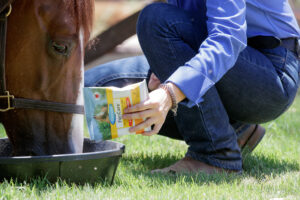
Senior horses often require a diet that is higher in fiber and easily digestible. High-quality hay or pasture should be the foundation of their diet. Additionally, senior horses benefit from feeds specially formulated for their age, which typically have added vitamins, minerals, and protein to support their changing needs.
Monitoring Body Condition
Regularly assess your horse’s body condition score (BCS) to ensure they are neither underweight nor overweight. Adjust their diet as necessary, keeping in mind that senior horses may need more calories to maintain their weight due to decreased digestive efficiency.
Dental Health and Feeding
Dental issues are common in senior horses and can impact their ability to chew effectively. Regular dental check-ups are essential to identify and address problems such as tooth wear or loss. Horses with dental issues may benefit from processed feeds like soaked hay cubes or pellets, which are easier to chew and digest.
Exercise and Mobility
Exercise remains important for senior horses to maintain muscle tone, joint health, and overall well-being. However, the type and intensity of exercise should be adapted to their capabilities.
Regular, Low-Impact Exercise
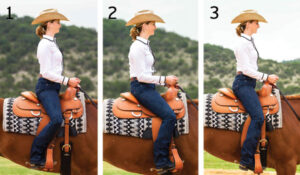
Engage your senior horse in regular low-impact activities such as walking or light trotting. This helps maintain joint flexibility and muscle strength without overstressing their bodies. Adjust the intensity and duration based on the horse’s physical condition and comfort level.
Joint Health Support
Consider supplements that support joint health, such as glucosamine, chondroitin, and omega-3 fatty acids. These can help manage inflammation and support cartilage health, reducing stiffness and discomfort.
Health Monitoring and Veterinary Care
Regular health monitoring and veterinary care are essential components of senior horse management. Early detection of health issues can significantly improve outcomes.
Routine Veterinary Exams
Schedule regular veterinary check-ups to monitor your horse’s overall health. During these exams, the vet can assess the horse’s body condition, dental health, and any signs of age-related diseases such as Cushing’s or arthritis.
Vaccinations and Parasite Control
Keep up with vaccinations and deworming schedules, as senior horses may have a decreased immune response. Work with your veterinarian to develop a parasite control plan tailored to your horse’s needs.
Monitoring Vital Signs
Regularly monitor vital signs such as temperature, pulse, and respiration rate. This helps you detect any abnormalities early, allowing for prompt intervention.
Dental and Hoof Care
Dental and hoof care are critical aspects of senior horse management that require special attention as horses age.
Dental Care
As horses age, their teeth may wear unevenly or develop sharp edges. Regular dental floating by a qualified veterinarian or equine dentist can prevent discomfort and improve chewing efficiency. Address any dental issues promptly to avoid weight loss or nutritional deficiencies.
Hoof Care
Senior horses may have changes in hoof growth and quality. Regular hoof trimming by a skilled farrier is essential to prevent lameness and maintain proper hoof shape. Discuss with your farrier and veterinarian about any special shoeing needs that may support your senior horse’s comfort and mobility.
Creating a Comfortable Environment
Providing a comfortable and safe environment is crucial for the well-being of senior horses. Their living conditions should accommodate their physical limitations and comfort needs.
Shelter and Bedding
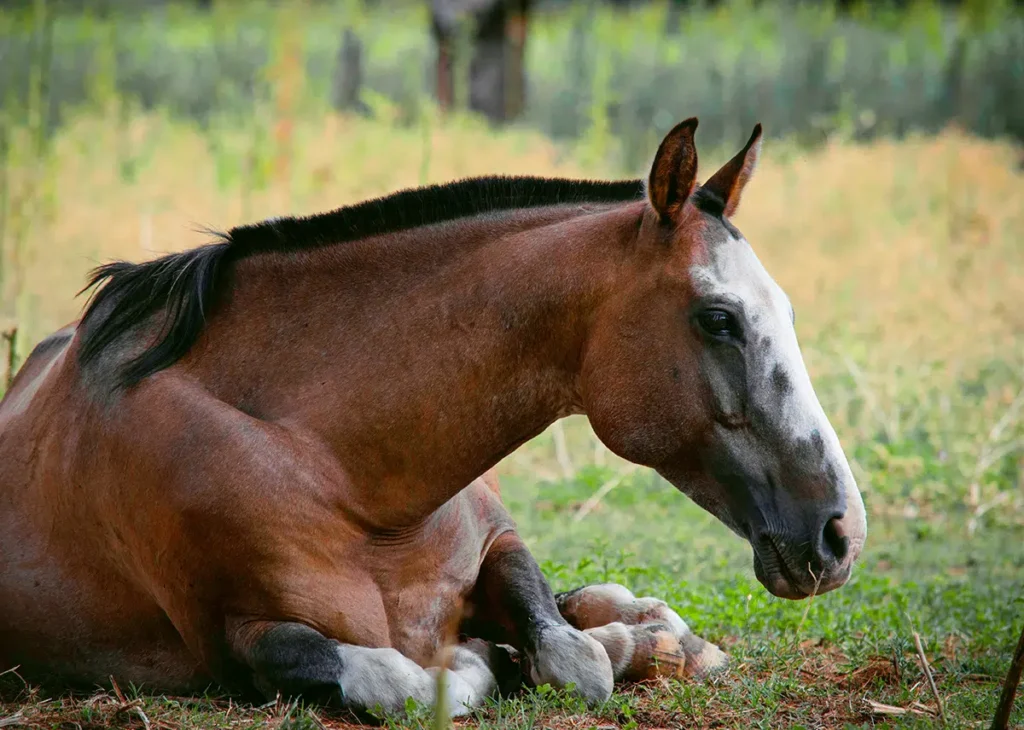
Ensure your senior horse has access to a clean, dry shelter to protect them from harsh weather conditions. Use soft, absorbent bedding to provide comfort and reduce the risk of sores, especially if your horse lies down frequently.
Social Interaction
Horses are social animals, and companionship is important for their mental well-being. If possible, house your senior horse with a compatible companion or within a herd to provide social interaction and reduce stress.
Signs of Aging and When to Seek Help
Recognizing signs of aging and knowing when to seek veterinary help can prevent minor issues from becoming major health problems.
Common Signs of Aging
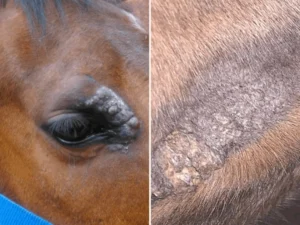
Look for signs such as weight loss, changes in coat condition, decreased appetite, and reduced mobility. Behavioral changes, such as increased aggression or depression, can also indicate health issues.
When to Seek Veterinary Help
Consult your veterinarian if you notice any sudden changes in your horse’s condition, such as rapid weight loss, persistent lameness, or difficulty eating. Early intervention can improve prognosis and enhance quality of life.
Conclusion
Caring for senior horses requires dedication, knowledge, and a proactive approach to their unique needs. By providing proper nutrition, regular exercise, routine health monitoring, and a comfortable environment, you can ensure your senior horse enjoys a healthy and fulfilling life. Remember, each horse is an individual, and their care should be tailored to their specific needs and conditions. With attentive care, senior horses can continue to be cherished companions for many years.