Horses, by their very nature, are prone to injuries. Whether it’s a minor scrape from a fence or a more serious laceration from a fall, wounds are an inevitable part of equine life. Proper wound management is essential for preventing infections, promoting healing, and ensuring the overall well-being of the horse. This article delves into effective strategies for optimal horse wound treatment, offering a comprehensive guide for horse owners and caretakers.
Understanding Different Types of Horse Wounds
Before diving into treatment strategies, it’s crucial to understand the types of wounds horses can sustain. This knowledge helps in formulating the most effective treatment plan.
Incised Wounds
These are clean cuts typically caused by sharp objects such as glass or metal. They usually have clean edges and bleed profusely, but they are often the easiest to treat due to their neatness.
Lacerations
Lacerations are torn, jagged wounds often resulting from blunt trauma. They can be deeper than incised wounds and may involve more tissue damage.
Abrasions
Abrasions are superficial injuries where the skin is scraped off, often caused by friction against a rough surface. These wounds may not bleed heavily but can be painful and prone to infection.
Puncture Wounds
Caused by sharp, pointed objects like nails or thorns, puncture wounds can be deceptive. They may appear minor on the surface but can penetrate deeply, increasing the risk of internal infection.
Initial Assessment and First Aid
The first step in managing any wound is a thorough assessment. This involves determining the wound’s type, depth, and location, as well as assessing the horse’s overall condition.
Stop the Bleeding
Apply direct pressure with a clean cloth or bandage to control bleeding. Elevating the wound above heart level (if possible) can also help reduce blood flow.
Clean the Wound
Cleaning the wound is critical to prevent infection. Use sterile saline solution or clean water to flush out dirt and debris. Avoid using hydrogen peroxide or alcohol as they can damage healthy tissue.
Assess the Need for Veterinary Intervention
Some wounds require professional care. Deep lacerations, puncture wounds, or injuries near joints should be evaluated by a veterinarian. Additionally, any sign of infection such as swelling, heat, or discharge necessitates expert attention.
Effective Wound Management Strategies
Once the initial first aid is administered, ongoing wound care is crucial for optimal healing.
Debridement
Debridement involves the removal of dead or contaminated tissue. This can be achieved through various methods such as surgical, mechanical, or autolytic debridement. The goal is to promote a healthy wound bed for healing.
Wound Dressings
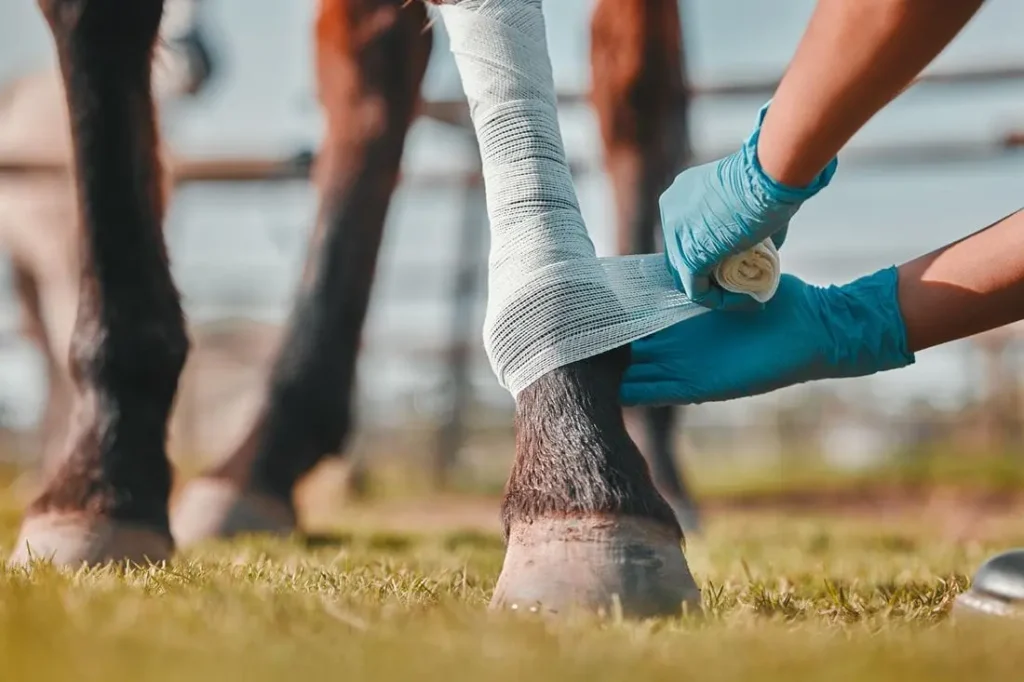
Selecting the right wound dressing is essential. Non-adherent, breathable dressings help maintain a moist environment conducive to healing. Change dressings regularly to prevent contamination and monitor healing progress.
Antibiotic Therapy
Antibiotics may be necessary for wounds with a high risk of infection. Topical antibiotics can be applied directly to the wound, while systemic antibiotics might be prescribed for deeper or more severe infections.
Pain Management
Pain management is an often-overlooked aspect of wound care. Consult with a veterinarian to select appropriate pain relief options, which may include non-steroidal anti-inflammatory drugs (NSAIDs).
Monitoring and Preventing Complications
Regular monitoring of the wound is crucial to detect any signs of complications early.
Signs of Infection
Watch for redness, swelling, heat, and discharge. Systemic signs such as fever or lethargy also indicate infection. Prompt veterinary intervention is necessary if these signs are present.
Granulation Tissue
Healthy granulation tissue is a sign of healing. However, excessive granulation, known as “proud flesh,” can impede healing. This may require surgical intervention or the application of topical treatments to manage.
Preventive Measures
While not all injuries can be prevented, certain measures can minimize the risk of wounds.
Safe Environment
Regularly inspect paddocks, stalls, and equipment for hazards. Remove sharp objects and ensure fences are secure to prevent accidental injuries.
Proper Hoof Care
Regular hoof trimming and shoeing are essential. Overgrown hooves can lead to missteps and injuries, while improperly fitted shoes can cause wounds.
Appropriate Gear
Ensure tack and equipment fit properly. Ill-fitting gear can cause chafing and sores. Regularly clean and maintain tack to prevent wear and tear that could lead to injury.
Conclusion
Effective wound treatment is vital for maintaining the health and well-being of horses. By understanding the types of wounds, administering prompt first aid, and implementing ongoing care strategies, horse owners can ensure optimal healing and minimize the risk of complications. Regular monitoring and preventive measures further contribute to a horse’s overall health, helping to keep them safe and sound in their environments.
#ChatGPT assisted in the creation of this article.