Horse riding is a sport that requires not only skill and practice but also the right equipment to ensure optimal performance and safety. Whether you are a beginner or an experienced rider, investing in quality gear can make a significant difference in your riding experience. In this article, we will delve into the essential horse riding equipment every rider should consider for achieving the best performance.
Saddle
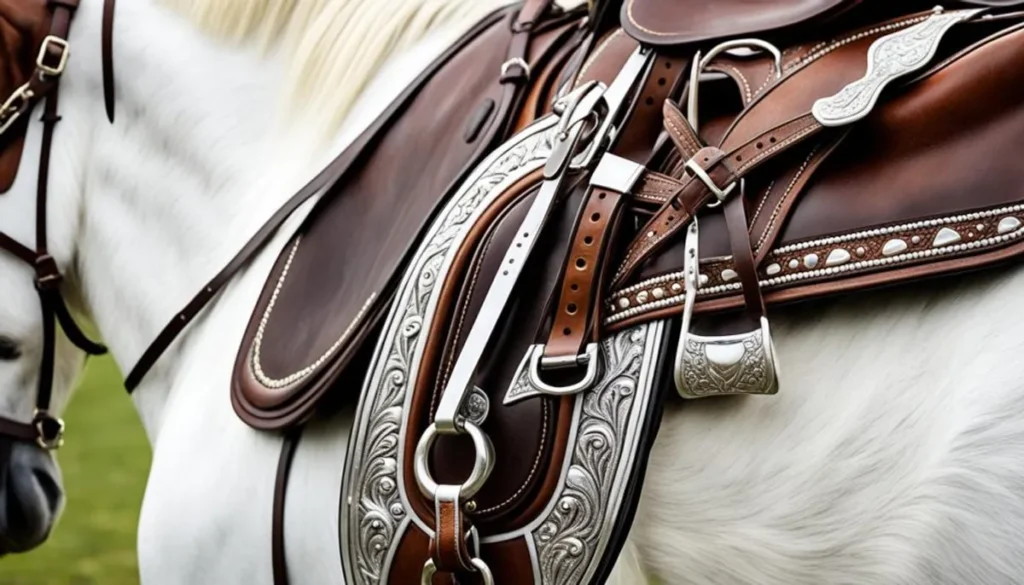
The saddle is one of the most critical pieces of equipment for horse riding. It provides the necessary support and balance for both the rider and the horse. A well-fitted saddle ensures comfort and prevents injuries, enhancing performance. There are several types of saddles available, each designed for different riding styles, including dressage, jumping, and western riding.
Types of Saddles
- Dressage Saddle: Designed for flatwork, it offers a closer contact with the horse, allowing precise communication with minimal interference.
- Jumping Saddle: Features a forward-cut flap to accommodate jumping positions, providing more freedom of movement.
- Western Saddle: Known for its comfort during long rides, it is ideal for trail riding and western disciplines.
Bridle and Bit
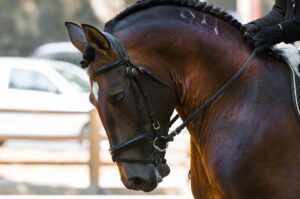
The bridle and bit form an essential communication link between the rider and the horse. The bridle holds the bit in place, and together, they enable the rider to guide the horse effectively. The choice of bridle and bit depends on the horse’s training level, discipline, and individual temperament.
Choosing the Right Bit
Bits come in various shapes and materials, each designed to achieve different levels of control and comfort. It’s crucial to select a bit that suits your horse’s mouth structure and sensitivity. Consulting with a professional can help in making the right choice.
Riding Helmet
Safety should always be a top priority in horse riding, making a riding helmet an indispensable piece of equipment. A helmet protects the rider’s head from injuries in case of falls or accidents. Modern helmets are designed to be lightweight and well-ventilated, ensuring comfort during extended rides.
Helmet Safety Standards
When choosing a helmet, ensure it meets the safety standards set by organizations such as ASTM or SEI. A helmet should fit snugly and securely, without being too tight or too loose.
Riding Boots
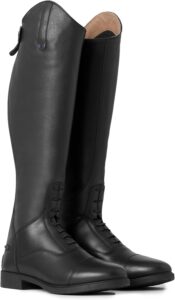
Riding boots are essential for protecting the rider’s feet and providing the necessary grip and support while riding. They prevent the rider’s foot from slipping through the stirrup and help maintain proper leg position.
Types of Riding Boots
- Field Boots: Feature laces at the ankle for a snug fit, commonly used in English riding disciplines.
- Dress Boots: Sleeker and without laces, these are ideal for dressage and formal riding events.
- Western Boots: Designed with a higher heel for better grip on stirrups, suitable for western riding.
Protective Vests
For riders who engage in eventing or jumping, wearing a protective vest is highly recommended. These vests absorb impact and reduce the risk of injury to the rider’s torso in case of falls or collisions.
Features to Consider
Look for vests with adjustable straps for a customized fit and materials that offer both flexibility and protection. Some vests also include airbag technology for enhanced safety.
Gloves
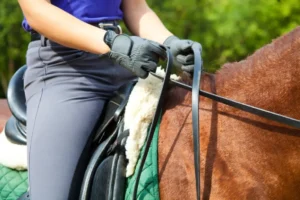
Riding gloves serve multiple purposes, including improving grip on the reins and protecting the rider’s hands from blisters and abrasions. They are especially useful in colder weather to keep the hands warm and comfortable.
Material and Fit
Choose gloves made from durable materials such as leather or synthetic blends. Ensure they fit well, providing dexterity without being too tight.
Stirrups and Leathers
Stirrups and leathers are crucial for maintaining balance and stability in the saddle. They should be adjusted to the correct length, allowing the rider to sit comfortably and effectively control the horse.
Types of Stirrups
- Traditional Stirrups: Made of metal or lightweight materials, suitable for most riding disciplines.
- Safety Stirrups: Designed to release easily in case of a fall, reducing the risk of being dragged.
Horse Boots and Bandages
Protecting your horse’s legs is as important as protecting yourself. Horse boots and bandages offer support and protection, especially during intense activities like jumping or cross-country events.
Types of Horse Boots
- Splint Boots: Protect the horse’s legs from impact and injuries.
- Bell Boots: Prevent overreaching injuries by covering the hooves and pasterns.
- Fetlock Boots: Provide additional support to the fetlock area, commonly used in jumping disciplines.
Conclusion
Investing in the right horse riding equipment is essential for achieving optimal performance and ensuring safety for both the rider and the horse. From saddles and bridles to helmets and protective vests, each piece of equipment plays a crucial role in enhancing the riding experience. By choosing gear that suits your riding style and meets safety standards, you are setting yourself up for success in the equestrian world.
Remember, the key to enjoying horse riding lies in the harmony between rider and horse, and having the right equipment is a vital step towards achieving that perfect balance.
#ChatGPT assisted in the creation of this article.