Horse riding is a rewarding and fulfilling activity that requires a blend of skill, patience, and understanding between rider and horse. Whether you’re a beginner or have been riding for years, there are always new techniques and hacks to make your riding experience smoother and more enjoyable. In this article, we will explore some of the top horse riding hacks that can lead you to effortless mastery.
Understand Your Horse’s Body Language
One of the most important aspects of riding is understanding your horse’s body language. Horses communicate through subtle signs and signals, and being able to interpret these can significantly enhance your riding experience. Pay attention to their ears, tail, and posture. For example, pricked ears usually indicate curiosity or interest, while pinned ears might signal discomfort or irritation.
By being attentive to these signals, you can adjust your riding techniques or address any concerns your horse may have, leading to a more harmonious relationship.
Prioritize Groundwork
Before mounting, invest time in groundwork exercises. Groundwork helps in establishing a connection between you and your horse, building trust, and teaching respect. Simple exercises such as leading, backing up, and lunging can improve your horse’s obedience and responsiveness.
Groundwork not only prepares your horse physically but also mentally, ensuring both of you are in sync before you even step into the saddle.
Master the Art of Balance
Balance is key to effective riding. A well-balanced rider is more comfortable and confident, which translates to better communication with the horse. Focus on developing your core strength and maintaining a centered position in the saddle.
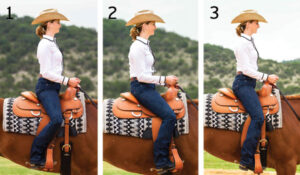
Engage in exercises such as yoga or pilates to improve your balance off the horse. When riding, imagine a straight line running from your ear, shoulder, hip, to heel, and focus on maintaining this alignment.
Use Your Legs Efficiently
Your legs are powerful tools in communicating with your horse. Proper leg positioning and pressure can guide and cue your horse effectively. Ensure your leg is relaxed but firm, and your heel is down, creating a stable base.
Practice using different levels of pressure with your calves to communicate different commands and movements. Remember, less is often more; subtle cues can be more effective than heavy-handed signals.
Focus on Breathing
Riding can be intense, and it’s easy to forget to breathe naturally. Deep, regular breathing helps in calming both you and your horse. It also aids in maintaining your posture and reducing tension.
Practice breathing exercises to help you stay relaxed and focused. As you inhale, visualize drawing energy into your body, and as you exhale, release any tension or stress.
Develop a Soft Hand
A soft hand is crucial for effective communication through the reins. Avoid gripping the reins too tightly, as this can cause discomfort to your horse and hinder communication. Instead, aim for a light, elastic connection.
Practice riding with an open hand, allowing the reins to move slightly with the horse’s motion. This will enable you to feel your horse’s movements and respond more intuitively.
Improve Your Riding Posture
Good posture is essential for maintaining balance and ensuring effective communication with your horse. Sit tall with a straight back, and avoid leaning too far forward or backward.
Imagine a string pulling you upwards from the top of your head, and maintain an open chest and relaxed shoulders. This posture not only improves your riding but also projects confidence to your horse.
Practice Consistently
Consistency is key to mastering any skill, and horse riding is no exception. Regular practice helps in reinforcing techniques, building muscle memory, and developing a deeper bond with your horse.
Set specific goals for each riding session, and track your progress over time. Remember, every ride, no matter how short, contributes to your overall development as a rider.
Learn From Experienced Riders
There’s a wealth of knowledge to be gained from experienced riders. Seek out lessons, clinics, or workshops to learn new techniques and gain different perspectives. Observing skilled riders can also provide valuable insights into effective riding methods.
Don’t hesitate to ask questions and seek feedback from more experienced individuals. Their expertise can guide you in overcoming challenges and improving your riding skills.
Stay Patient and Positive
Riding is a journey, and progress may not always be linear. There will be challenges and setbacks, but maintaining a positive attitude and staying patient with yourself and your horse is crucial.
Celebrate small victories and recognize the progress you and your horse make over time. A positive mindset not only enhances your learning experience but also fosters a stronger bond with your horse.
Conclusion
Effortless mastery of horse riding is a blend of skill, understanding, and continuous learning. By incorporating these hacks into your routine, you can enhance your riding experience, build a stronger connection with your horse, and continue to develop as a rider. Remember, the journey to mastery is ongoing, and every ride is an opportunity to learn and grow.
#ChatGPT assisted in the creation of this article.