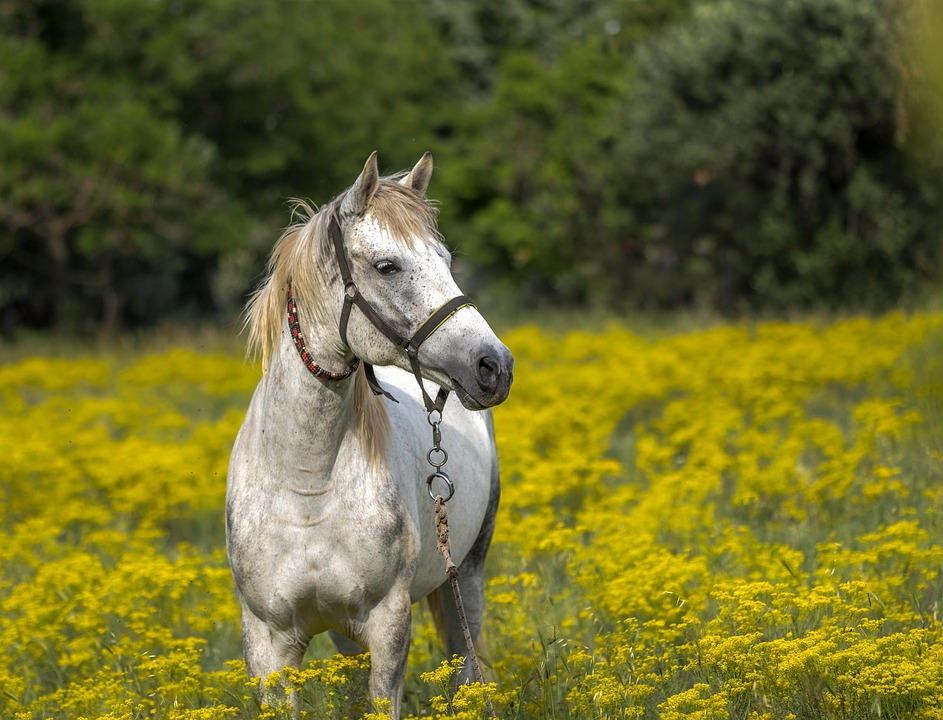
The health and well-being of horses are intricately linked to their environment, and one of the most crucial components of this environment is their pasture. Effective pasture management is essential for maximizing horse health, providing them with the necessary nutrients and a safe, comfortable space to graze and exercise. This article delves into the key strategies and practices for optimizing your pasture to support the health of your equine companions.
The Importance of Pasture Management
Well-managed pastures offer numerous benefits for horses, including nutritional support, mental stimulation, and physical exercise. Pastures can serve as a primary source of nutrition, reducing the need for supplemental feeding. Furthermore, access to a well-maintained pasture can prevent boredom-related behaviors and contribute to overall health by promoting natural movement and social interaction among horses.
Assessing Your Pasture
Before implementing any management strategies, it’s essential to assess the current state of your pasture. Consider factors such as soil type, existing vegetation, and drainage. Conducting a soil test can provide valuable information on nutrient levels and pH balance, guiding your fertilization and amendment decisions. Identifying the types of grasses and plants growing in your pasture can help you determine their suitability for horses and plan for any necessary changes.
Soil Fertility and Health
Healthy soil is the foundation of a productive pasture. Regular soil testing allows you to monitor nutrient levels and pH, ensuring that your pasture provides optimal conditions for plant growth. Based on test results, you may need to apply fertilizers or soil amendments to address deficiencies. Consider using organic fertilizers and soil conditioners to improve soil structure and fertility while minimizing environmental impact.
Choosing the Right Forage Species
Selecting appropriate forage species is crucial for providing horses with optimal nutrition. Cool-season grasses like Kentucky bluegrass, orchardgrass, and fescue are popular choices for horse pastures due to their palatability and nutrient content. In areas with hot summers, warm-season grasses such as Bermuda grass may be more suitable. Additionally, incorporating legumes like clover can enhance pasture quality by fixing nitrogen and improving protein content.
Rotational Grazing
Implementing a rotational grazing system can significantly improve pasture health and productivity. By dividing your pasture into smaller paddocks and rotating horses between them, you allow each section time to recover and regrow. This practice helps prevent overgrazing, reduces soil compaction, and encourages a diverse plant community. Additionally, rotational grazing can break parasite life cycles, reducing the risk of infestation.
Managing Weeds and Toxic Plants
Weeds and toxic plants pose a significant threat to horse health, as they can compete with desirable forage species and may be harmful if ingested. Regularly inspect your pasture for the presence of unwanted plants and employ strategies such as mowing, hand-pulling, or targeted herbicide application to control them. Educate yourself on common toxic plants in your area and take proactive measures to remove them from your pasture.
Ensuring Adequate Water Supply
Access to clean, fresh water is critical for horse health, especially when grazing on pasture. Ensure that your pasture has a reliable water source, whether it’s a natural stream, pond, or a well-maintained trough. Regularly clean and maintain water sources to prevent contamination and ensure that horses have unrestricted access to water at all times.
Providing Shelter and Shade
While pastures offer numerous benefits, they can also expose horses to harsh weather conditions. Providing access to shelter and shade is essential for protecting horses from extreme temperatures, wind, and precipitation. Natural shelter in the form of trees or hedgerows can be effective, but in their absence, consider constructing run-in sheds or temporary shelters to ensure horses remain comfortable and healthy.
Monitoring and Adjusting Grazing Practices
Effective pasture management requires ongoing monitoring and adjustment. Regularly assess pasture conditions and horse health to identify any issues that may arise. Be prepared to adapt your grazing practices based on seasonal changes, horse behavior, and pasture productivity. This proactive approach will help maintain a healthy balance between pasture health and horse well-being.
Conclusion
Maximizing horse health through effective pasture management is a multifaceted endeavor that requires careful planning, monitoring, and adaptation. By focusing on soil health, selecting appropriate forage species, implementing rotational grazing, and managing weeds and toxic plants, you can create a thriving pasture environment that supports the well-being of your horses. With the right strategies in place, your pasture can become a valuable asset in promoting the health, happiness, and longevity of your equine companions.