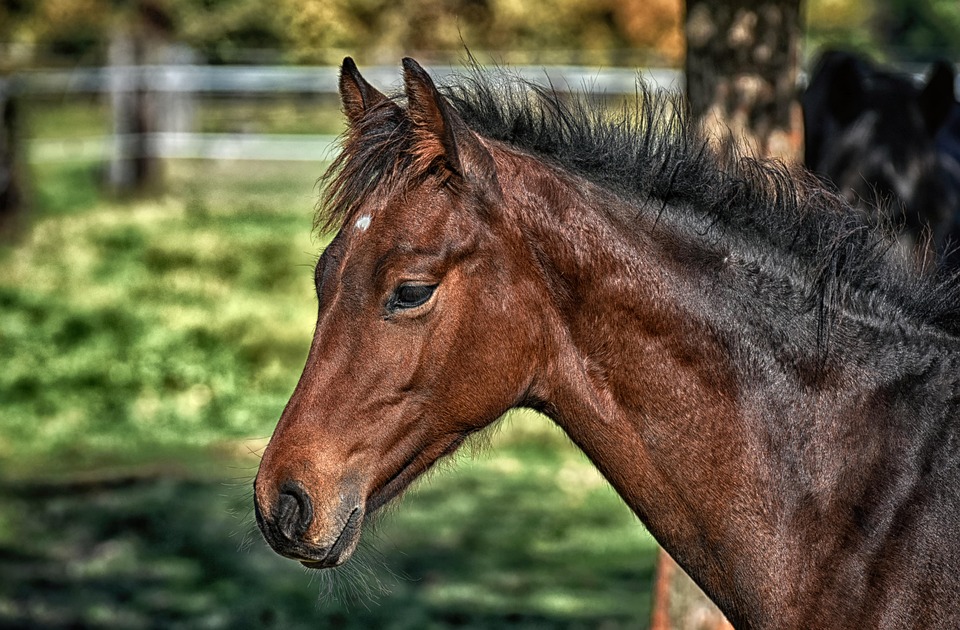
Caring for a horse’s coat is more than just an aesthetic endeavor; it is a vital part of maintaining the overall health and well-being of the animal. A horse’s coat is its first line of defense against environmental factors and can be an indicator of its internal health. In this article, we will explore essential tips for maintaining an optimal horse coat, ensuring your equine companion remains healthy and vibrant.
Understanding the Horse Coat
Before delving into care techniques, it’s important to understand what makes up a horse’s coat. The horse’s coat consists of the hair and the underlying skin. Each component plays a critical role in protection, temperature regulation, and sensory input. The condition of a horse’s coat can offer insights into its health, revealing issues such as nutritional deficiencies or underlying medical conditions.
Nutrition: The Foundation of a Healthy Coat
A balanced diet is paramount for maintaining a healthy horse coat. Nutrition directly impacts the growth, shine, and resilience of the coat. Horses require a diet rich in vitamins, minerals, and essential fatty acids to support coat health.
Incorporating Essential Nutrients
The diet should include:
- Protein: Vital for the production of keratin, the protein that makes up hair.
- Omega-3 and Omega-6 fatty acids: Found in flaxseed or fish oil, these promote a glossy coat and improve skin health.
- Vitamins A and E: Essential for skin and coat health; deficiencies can lead to a dull coat.
- Zinc and Biotin: Important for hair growth and strength.
Regular Grooming Practices
Grooming is an integral part of horse care that goes beyond mere cleanliness. It stimulates blood circulation, distributes natural oils, and helps in early detection of skin issues.
Daily Grooming Routine
Establish a regular grooming routine that includes:
- Brushing: Use a curry comb to loosen dirt and a body brush to remove it. This helps in spreading natural oils across the coat.
- Mane and Tail Care: Gently detangle using a wide-toothed comb or your fingers to prevent breakage.
- Checking for Parasites: Regularly inspect your horse for lice, mites, and ticks, especially in the warmer months.
Bathing: When and How
While regular grooming is essential, over-bathing can strip the coat of its natural oils. Bathing should be done judiciously and with the right products.
Bathing Guidelines
Consider the following when bathing your horse:
- Frequency: Bathe only when necessary, such as before a show or when the horse is particularly dirty.
- Shampoo Selection: Use horse-specific shampoos and conditioners to maintain the natural balance of oils.
- Water Temperature: Ensure the water is lukewarm to avoid shocking the horse’s system.
- Thorough Rinsing: Make sure all shampoo and conditioner are completely rinsed out to prevent skin irritation.
Seasonal Coat Care
A horse’s coat changes with the seasons, necessitating adjustments in care routines. Understanding these changes will help you provide appropriate care year-round.
Winter Coat Management
During winter, horses grow a thicker coat to insulate against the cold. Key considerations include:
- Clipping: For horses in regular work, consider clipping to manage sweating and drying time.
- Blanketing: Use blankets strategically to maintain warmth without encouraging excessive sweating.
Summer Coat Management
Summer brings challenges like sun bleaching and insect bites. Protect the coat by:
- UV Protection: Use fly sheets with UV protection to prevent sun damage.
- Insect Control: Apply fly sprays and use fly masks to minimize irritation from insects.
Addressing Common Coat Issues
Regular monitoring of your horse’s coat can help you identify and address problems early. Some common issues include dandruff, dull coat, and skin infections.
Dandruff and Dry Skin
If you notice flakes or dry patches, consider:
- Improving Diet: Ensure the horse’s diet includes adequate fats and vitamins.
- Moisturizing Products: Use coat conditioners or oils to restore moisture.
Dull Coat
A lackluster coat might indicate nutritional deficiencies or inadequate grooming. Address this by:
- Reviewing Nutrition: Check for deficiencies in key nutrients like Omega-3s and biotin.
- Enhancing Grooming: Increase grooming frequency and ensure thorough brushing.
Skin Infections
Infections such as rain rot or ringworm require prompt attention:
- Veterinary Consultation: Seek professional advice for appropriate treatment.
- Maintaining Cleanliness: Keep the affected area clean and dry.
Conclusion
Optimal horse coat care requires a comprehensive approach that encompasses nutrition, grooming, bathing, and seasonal adjustments. By understanding the unique needs of your horse’s coat and implementing these essential tips, you can ensure your equine companion enjoys a healthy, shiny, and well-maintained coat year-round. Regular attention to these aspects not only enhances your horse’s appearance but also contributes significantly to its overall health and well-being.
#ChatGPT assisted in the creation of this article.