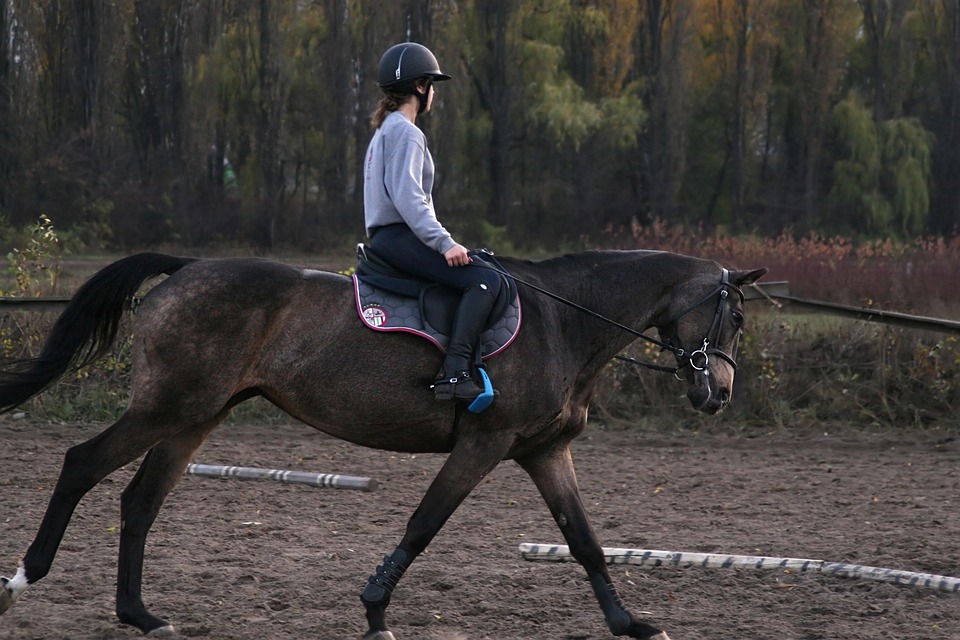
Horse riding is a physically demanding sport that requires a unique combination of strength, balance, flexibility, and endurance. Whether you’re a competitive equestrian or a recreational rider, improving your fitness can significantly enhance your riding experience and performance. This ultimate guide will provide you with essential tips and exercises to boost your horse riding fitness, helping you become a more effective and confident rider.
Understanding the Physical Demands of Horse Riding
Before diving into specific exercises, it’s crucial to understand the physical demands of horse riding. Riding involves engaging multiple muscle groups simultaneously, requiring a strong core, flexible hips, stable legs, and coordinated movements. Riders must maintain balance and posture while responding to the horse’s movements, making it essential to focus on targeted fitness training.
Core Strength: The Foundation of Riding Fitness
Your core muscles, including the abdominals, obliques, and lower back, play a vital role in maintaining stability and balance in the saddle. A strong core allows for better posture and helps you absorb the horse’s movements more effectively.
Core Exercises for Riders
- Plank Variations: Standard plank, side plank, and reverse plank are excellent for building core strength. Aim to hold each position for 30 seconds to 1 minute.
- Russian Twists: Sit on the ground with your legs bent, lean back slightly, and twist your torso from side to side while holding a weight or medicine ball.
- Bicycle Crunches: Lie on your back, lift your legs, and alternate touching your elbows to the opposite knee in a pedaling motion.
- Superman Exercise: Lie face down and lift your arms and legs simultaneously, holding for a few seconds to strengthen your lower back.
Enhancing Leg Strength and Stability
Strong and stable legs are essential for maintaining a secure seat and effectively communicating with your horse. Focus on exercises that target the thighs, calves, and glutes.
Leg Strengthening Exercises
- Squats: Perform bodyweight squats or add weights for increased resistance. This exercise targets the quads, hamstrings, and glutes.
- Lunges: Forward, backward, and lateral lunges improve leg strength and stability while enhancing balance.
- Calf Raises: Stand on the edge of a step, lift your heels, and lower them back down to strengthen your calves.
- Wall Sits: Sit against a wall with your knees bent at a 90-degree angle and hold the position to build endurance in your leg muscles.
Improving Flexibility and Balance
Flexibility and balance are critical components of horse riding fitness, allowing you to move fluidly with your horse and maintain control. Incorporate stretching and balance exercises into your routine.
Flexibility and Balance Exercises
- Yoga or Pilates: These practices enhance flexibility, balance, and core strength. Focus on poses that stretch the hip flexors, hamstrings, and lower back.
- Hip Flexor Stretches: Kneel on one knee, push your hips forward, and stretch the opposite arm overhead to open up the hip flexors.
- Balance Exercises: Practice standing on one leg or using a balance board to improve stability and coordination.
Building Cardiovascular Endurance
Cardiovascular fitness is essential for maintaining energy and stamina during long rides. Incorporate aerobic exercises into your routine to boost endurance.
Cardiovascular Workouts
- Running or Jogging: Running is an excellent way to increase cardiovascular endurance. Aim for 20 to 30 minutes of continuous activity.
- Cycling: Cycling is low-impact and helps build leg strength and cardiovascular fitness simultaneously.
- Swimming: Swimming provides a full-body workout and is gentle on the joints, making it an ideal option for cross-training.
- Jump Rope: Jumping rope improves cardiovascular fitness and coordination. Start with short intervals and gradually increase duration.
Nutrition and Hydration: Fueling Your Body for Riding
Proper nutrition and hydration play a significant role in your overall fitness and performance as a rider. A well-balanced diet provides the energy and nutrients needed for optimal performance.
Nutrition Tips for Riders
- Balanced Meals: Focus on a diet rich in lean proteins, whole grains, fruits, vegetables, and healthy fats to support muscle recovery and energy levels.
- Hydration: Drink plenty of water throughout the day to stay hydrated, especially before and after riding sessions.
- Pre-Ride Snacks: Consume a light snack containing carbohydrates and protein about an hour before riding to fuel your body.
Rest and Recovery: The Importance of Taking Breaks
Rest and recovery are crucial for preventing injuries and allowing your body to repair and grow stronger. Incorporating rest days into your routine can enhance your performance and prevent burnout.
Rest and Recovery Tips
- Scheduled Rest Days: Plan at least one or two rest days per week to allow your muscles to recover.
- Active Recovery: Engage in low-intensity activities such as walking or gentle stretching on rest days to promote circulation and reduce muscle soreness.
- Sleep: Aim for 7-9 hours of quality sleep each night to support overall health and fitness.
Conclusion
Improving your horse riding fitness is a multifaceted approach that requires dedication and consistency. By focusing on core strength, leg stability, flexibility, balance, cardiovascular endurance, nutrition, and recovery, you can enhance your riding skills and enjoy a more rewarding experience in the saddle. Remember to listen to your body, set realistic goals, and celebrate your progress along the way. Whether you’re competing at high levels or riding for pleasure, a fit and healthy body will serve as your most valuable asset in your equestrian journey.