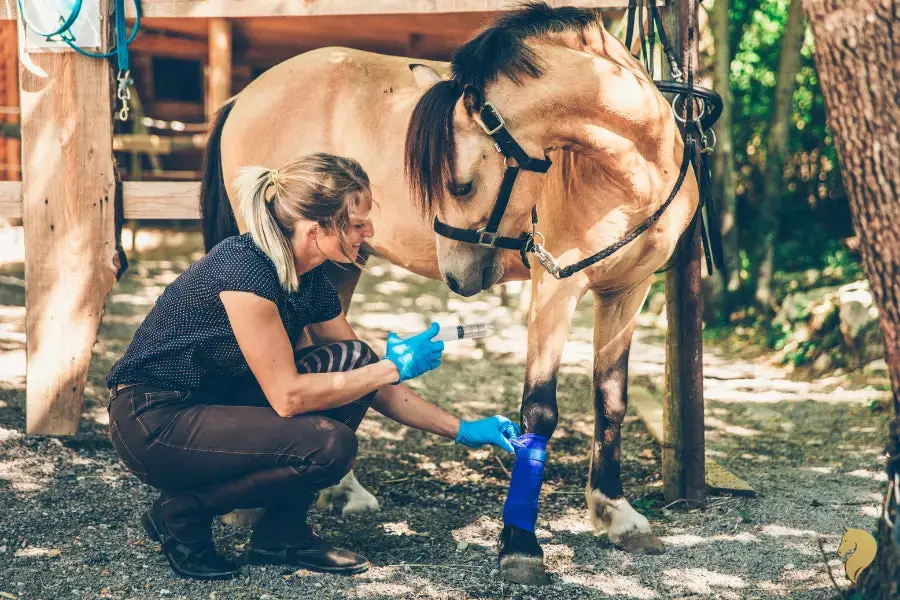
Owning a horse is a rewarding experience that requires dedication, knowledge, and a commitment to providing the best care possible. Horses are majestic creatures that need regular attention to maintain their health and happiness. This article will guide you through essential horse care tips that ensure your equine companion remains in peak condition, covering everything from nutrition and grooming to exercise and veterinary care.
Nutrition: The Foundation of Health
Proper nutrition is crucial for your horse’s overall health and well-being. Horses are grazing animals, and their digestive systems are designed for a continuous intake of fibrous foods. Here are some key nutritional considerations:
Balanced Diet
A horse’s diet should primarily consist of forage, such as hay or pasture grass, which provides the necessary fiber for healthy digestion. Supplement this with grains or concentrates only if necessary, based on your horse’s energy needs, age, and workload. Consult with an equine nutritionist or veterinarian to create a balanced diet tailored to your horse’s specific needs.
Fresh Water
Access to clean and fresh water is essential at all times. Horses can drink between 5 to 15 gallons of water a day, depending on the weather, their workload, and their diet. Regularly check and refill water sources to ensure they are clean and accessible.
Minerals and Vitamins
Providing a mineral block or supplement can help fulfill your horse’s dietary mineral and vitamin requirements. Ensure that your horse receives adequate levels of essential nutrients, such as calcium, phosphorus, salt, and vitamins A and E.
Regular Grooming: More Than Just Aesthetics
Grooming is not only about keeping your horse looking good; it’s also a vital aspect of their health care routine. Regular grooming helps maintain skin health, promotes circulation, and provides an opportunity to check for injuries or abnormalities.
Daily Brushing
Brushing your horse daily removes dirt, sweat, and loose hair while stimulating blood flow. Use a curry comb to loosen dirt and hair, followed by a stiff-bristled brush to remove debris. A soft-bristled brush can be used on the face and legs for a gentle touch.
Hoof Care
Hoof health is critical for a horse’s overall well-being. Clean and inspect your horse’s hooves daily to remove debris and check for signs of thrush, cracks, or other issues. Schedule regular visits with a farrier to trim and balance your horse’s hooves every 4-8 weeks, depending on their growth rate.
Mane and Tail Maintenance
Keeping the mane and tail clean and untangled is important for appearance and comfort. Use a detangler or conditioner to ease brushing and prevent breakage. Regular trimming can help maintain a neat appearance and avoid knots that can cause discomfort.
Exercise: Keeping Your Horse Fit and Happy
Horses are naturally active animals, and regular exercise is essential for their physical and mental well-being. Whether your horse is a performance athlete or a leisurely companion, they require consistent physical activity to stay healthy.
Daily Turnout
Allow your horse plenty of time to roam in a pasture or paddock. Turnout provides mental stimulation, promotes natural behaviors, and helps maintain muscle tone and joint health. Ensure that the area is safe, with secure fencing and no hazardous objects.
Structured Workouts
Incorporate structured exercise routines into your horse’s schedule. Tailor the intensity and duration of workouts to match your horse’s fitness level and goals. Include a variety of activities, such as riding, lunging, and ground exercises, to keep your horse engaged and challenged.
Rest and Recovery
Balance exercise with adequate rest and recovery time. Overworking a horse can lead to injuries and stress. Monitor your horse for signs of fatigue, soreness, or lameness, and adjust their exercise routine accordingly.
Veterinary Care: Professional Guidance and Prevention
Regular veterinary care is crucial for preventing and addressing health issues. Establish a relationship with a trusted equine veterinarian and adhere to a routine health care plan.
Vaccinations and Deworming
Keep your horse up-to-date on vaccinations to protect against diseases such as tetanus, influenza, and West Nile virus. Follow a deworming schedule based on fecal egg count tests to manage parasite loads effectively.
Dental Care
Regular dental check-ups are necessary to ensure your horse’s teeth are in good condition. Horses’ teeth continually grow, and uneven wear can lead to dental problems. Schedule dental exams with an equine dentist at least once a year.
Health Monitoring
Stay vigilant for signs of illness or injury. Monitor your horse’s vital signs, such as temperature, pulse, and respiration, regularly. Be aware of changes in behavior, appetite, or performance, and consult your veterinarian if you notice anything unusual.
Creating a Safe and Comfortable Environment
A safe and comfortable living environment is fundamental to your horse’s health and happiness. Pay attention to stable conditions, pasture management, and social interactions to ensure your horse’s well-being.
Stabling
Provide a clean, well-ventilated stable with adequate space for your horse to move comfortably. Regularly clean stalls and supply fresh bedding to prevent respiratory issues and encourage restful sleep.
Pasture Management
Rotate pastures to prevent overgrazing and maintain healthy grass growth. Check for toxic plants and remove them promptly. Ensure the pasture is free from hazards, such as sharp objects or holes that could cause injury.
Social Interaction
Horses are social animals that thrive on interaction with other horses. If possible, provide companionship by allowing your horse to interact with other equines. Social interactions help reduce stress and improve mental well-being.
Conclusion
Caring for a horse requires a comprehensive approach that addresses nutrition, grooming, exercise, veterinary care, and environment. By following these essential tips, you can ensure that your horse remains healthy, happy, and thriving. Remember that each horse is unique, and their care should be tailored to meet their individual needs. Stay informed, seek professional advice when necessary, and enjoy the rewarding experience of keeping your equine companion in optimal health.
#ChatGPT assisted in the creation of this article.