Embarking on the journey of horse training as a beginner can be both exciting and daunting. Horses are majestic creatures with unique personalities, and developing a strong bond with them requires patience, understanding, and effective training techniques. This article aims to provide essential horse training tips that will guide you through the initial stages of building a rewarding relationship with your equine partner.
Understanding Your Horse
Before you begin training, it’s crucial to understand the nature and behavior of horses. Horses are prey animals with a strong flight instinct, which means they are naturally cautious and responsive to their environment. Recognizing this helps you approach training with empathy and respect.
Observe and Learn
Spend time observing your horse in its natural habitat. Pay attention to its body language, expressions, and interactions with other horses. This will help you identify its temperament and any specific behaviors that may need addressing during training.
Build Trust
Trust is the foundation of any successful horse training program. Spend time grooming, feeding, and simply being around your horse to develop a bond. Consistency in your interactions will help your horse feel secure and more willing to learn.
Establishing a Training Routine
A structured training routine provides stability and helps your horse understand what is expected of them. Here are some key elements to incorporate into your routine:
Set Clear Goals
Define what you want to achieve with your horse training. Whether it’s basic manners, groundwork, or preparing for riding, having clear goals will guide your training sessions and help you measure progress.
Consistency is Key
Consistent training sessions build familiarity and reinforce learning. Aim for short, frequent sessions rather than long, infrequent ones. Horses have short attention spans, so regular training helps reinforce positive behaviors.
Start with Groundwork
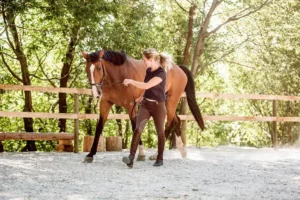
Groundwork lays the foundation for successful riding. Teach your horse to lead, stop, and turn on command. Groundwork exercises improve communication and respect, making it easier to transition to more advanced training.
Effective Communication
Communication is at the heart of horse training. Understanding how to effectively communicate with your horse will enhance your training sessions and strengthen your bond.
Use Clear Cues
Establish clear and consistent cues for your horse. Use a combination of verbal commands, body language, and hand signals. Ensure your cues are distinct and easy for your horse to understand.
Be Patient and Calm
Patience is essential in horse training. Horses may not understand or respond immediately, and it’s important to remain calm and composed. Avoid frustration and aggression, as this can harm your relationship and hinder progress.
Positive Reinforcement
Positive reinforcement is a powerful tool in horse training. Rewarding desired behaviors encourages your horse to repeat them and creates a positive learning environment.
Use Treats and Praise
Offer treats and verbal praise to reward your horse for good behavior. Ensure treats are appropriate and given in moderation to prevent bad habits. Praise should be immediate and enthusiastic to reinforce the connection between action and reward.
Timing is Crucial
Timing is everything in positive reinforcement. Deliver rewards immediately after the desired behavior to help your horse make the connection. Delayed rewards may confuse your horse and reduce the effectiveness of reinforcement.
Addressing Challenges
Challenges are inevitable in horse training, but they provide opportunities for growth and learning. Here are some common challenges beginners may face and tips for overcoming them:
Dealing with Fear
Horses may exhibit fear or anxiety in new situations. Approach new challenges gradually, allowing your horse to acclimate at its own pace. Use desensitization techniques to help your horse become comfortable with unfamiliar objects or environments.
Handling Resistance
Resistance can manifest as stubbornness or refusal to perform certain tasks. Evaluate the root cause, which may be discomfort, confusion, or lack of understanding. Adjust your approach, break tasks into smaller steps, and reinforce positive behavior.
Safety First
Safety should always be a top priority during horse training. Protect yourself and your horse by following these safety guidelines:
Wear Appropriate Gear
Always wear a helmet and suitable footwear when working with horses. Protective gear minimizes the risk of injury in case of accidents.
Be Aware of Your Surroundings
Ensure the training area is safe and free of hazards. Keep an eye on your horse’s behavior, as sudden movements or distractions can lead to accidents.
Seeking Professional Guidance
As a beginner, seeking guidance from experienced trainers can be invaluable. Professional trainers offer expertise and can provide personalized advice tailored to your horse’s needs.
Attend Clinics and Workshops
Participate in clinics and workshops to learn from seasoned trainers. These events provide hands-on learning opportunities and allow you to observe different training techniques in action.
Consider Private Lessons
Private lessons offer one-on-one instruction and personalized feedback. A professional trainer can help you address specific challenges and ensure you and your horse are on the right track.
Conclusion
Training a horse as a beginner is a rewarding journey that requires patience, dedication, and a deep understanding of your equine partner. By building trust, establishing a routine, and employing effective communication techniques, you can create a positive and productive training environment. Remember to prioritize safety, seek professional guidance when needed, and celebrate the small victories along the way. With time and effort, you’ll develop a strong bond with your horse and enjoy the many joys of equestrian life.
#ChatGPT assisted in the creation of this article.