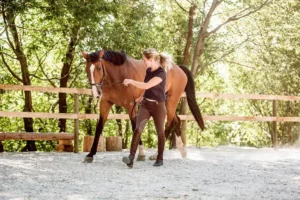
Horse riding is a timeless art that demands a harmonious blend of skill, patience, and passion. Whether you’re a novice or an experienced equestrian, mastering horse riding requires dedication and an understanding of the fundamentals across various disciplines. This article provides essential tips to enhance your riding abilities, ensuring both you and your horse achieve excellence in any field.
Understanding the Basics
Before delving into specific disciplines, it’s crucial to comprehend the basic principles of horse riding. These fundamentals serve as the foundation for any equestrian pursuit.
Building a Strong Foundation
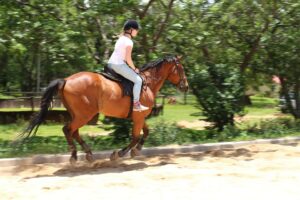
The cornerstone of effective riding lies in developing a balanced seat. A balanced seat allows you to communicate effectively with your horse, providing clear instructions while maintaining stability. Focus on keeping your shoulders back, spine straight, and heels down. This posture not only enhances your control but also ensures your horse feels secure and confident.
Communication and Connection
Establishing a strong connection with your horse is vital. This involves understanding your horse’s body language and responding appropriately. Use gentle, consistent cues and always reward your horse for correct responses. Building trust will lead to a more cooperative and enjoyable riding experience.
Dressage: The Art of Precision
Dressage is often described as the art of riding and training a horse in a manner that develops obedience, flexibility, and balance. It requires precision and attention to detail.
Focus on Rhythm and Relaxation
In dressage, rhythm is paramount. Work on maintaining a steady rhythm in all gaits. A relaxed horse is more willing and capable of performing complex movements, so prioritize relaxation in your training sessions.
Developing Suppleness and Contact
Suppleness refers to your horse’s ability to bend and flex without resistance. Incorporate exercises that enhance lateral and longitudinal flexibility. Additionally, establish a soft and consistent contact with the bit, allowing for effective communication without tension.
Show Jumping: Overcoming Obstacles with Grace
Show jumping tests the horse’s agility, speed, and jumping ability, along with the rider’s skill in guiding the horse over a series of obstacles.
Improving Jumping Technique
Focus on developing a solid jumping position. Keep your eyes up, heels down, and maintain a secure lower leg. Practice courses at different heights to build confidence and adaptability.
Building Confidence and Precision
Confidence is key in show jumping. Gradually increase the complexity of courses and obstacles to challenge both you and your horse. Precision in your approach, takeoff, and landing will lead to successful rounds.
Eventing: The Ultimate Equestrian Challenge
Eventing combines dressage, show jumping, and cross-country, testing the versatility of both horse and rider.
Mastering the Three Phases
In dressage, focus on accuracy and expression. For show jumping, work on maintaining a clear round while conserving energy. Cross-country demands endurance and bravery; practice riding varied terrain and obstacles to prepare adequately.
Fitness and Conditioning
Both horse and rider must be in peak physical condition for eventing. Develop a fitness regimen that includes cardiovascular conditioning, strength training, and flexibility exercises for you and your horse.
Western Riding: Embracing Tradition
Western riding, steeped in tradition, emphasizes a relaxed style and partnership between horse and rider.
Understanding Western Disciplines
From reining to barrel racing, western disciplines require specific skills. Familiarize yourself with each discipline’s unique demands and tailor your training accordingly.
Developing a Relaxed Riding Style
Western riding encourages a laid-back approach. Focus on a deep seat, relaxed reins, and subtle cues. Your horse should respond effortlessly to your aids, reflecting a strong partnership.
Safety First: Protecting Horse and Rider
Safety should always be a priority in any equestrian activity.
Wearing Appropriate Gear
Always wear a helmet and suitable riding attire. Ensure tack and equipment are in good condition and fit your horse correctly to prevent accidents.
Understanding and Managing Risks
Be aware of potential risks associated with each discipline. Educate yourself on best practices and emergency procedures to handle unforeseen situations confidently.
Conclusion
Mastering horse riding is a journey that requires patience, perseverance, and a love for the sport. By honing your skills across different disciplines, you not only become a versatile rider but also deepen your bond with your horse. Remember, every ride is an opportunity to learn and grow, so embrace the challenges and joys of equestrianism with enthusiasm and dedication.