Colic is one of the most common and potentially serious health issues affecting horses. It is a broad term that refers to abdominal pain, and it can range from mild discomfort to severe, life-threatening conditions. Understanding and identifying the symptoms of colic early can make a significant difference in the outcome for your horse. This article will delve into the key symptoms of horse colic, providing you with the knowledge to act swiftly and effectively if your horse shows signs of distress.
Understanding Horse Colic
Colic in horses is not a specific disease but rather a symptom that can arise from various underlying issues. These can include problems with the digestive system, such as gas buildup, impaction, twisted intestines, or even ulcers. Given the complexity of the equine digestive tract, colic can manifest in various forms, making it crucial for horse owners to recognize the signs and seek veterinary assistance promptly.
Key Symptoms of Horse Colic
Recognizing colic early is vital for effective intervention. Here are some of the primary symptoms to watch for:
1. Changes in Eating and Drinking Habits
One of the earliest signs of colic is a change in your horse’s eating and drinking behavior. A horse that suddenly stops eating or drinking may be experiencing discomfort. Watch for uneaten feed or a lack of interest in grazing or drinking, as these could signal an underlying issue.
2. Abnormal Posturing and Movement
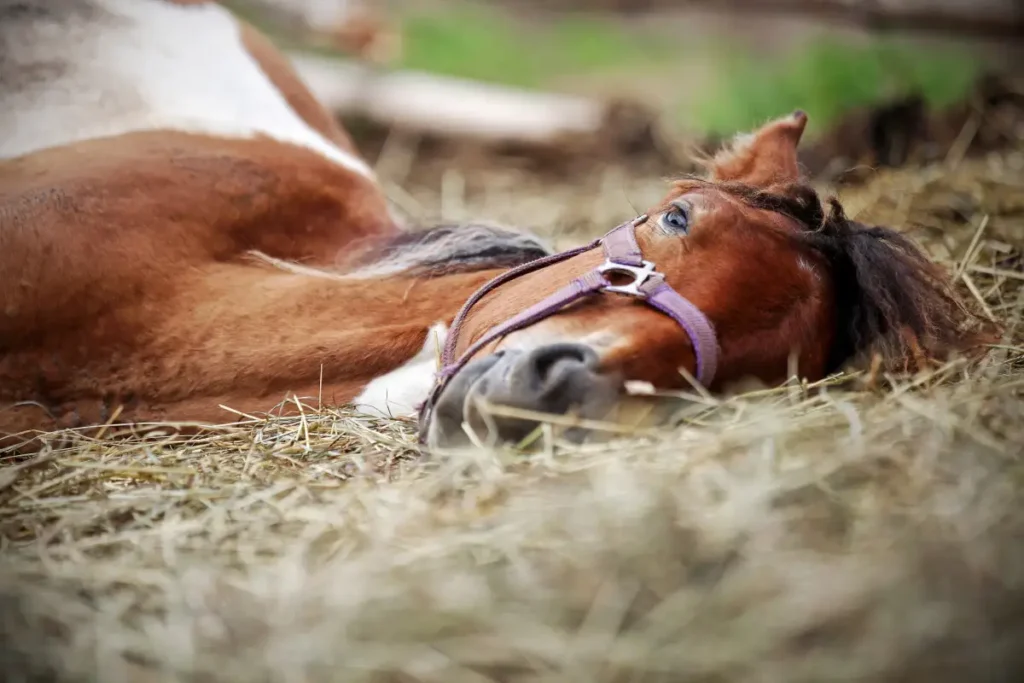
Horses suffering from colic often exhibit unusual postures or movements. They may repeatedly look at their sides, kick at their abdomen, or stretch out as if attempting to urinate. Rolling, pawing, or frequently lying down and getting up are also common behaviors that indicate abdominal pain.
3. Changes in Manure and Urination
Monitor your horse’s bowel movements closely. Changes in the frequency, consistency, or amount of manure produced can be indicative of colic. Constipation, diarrhea, or a complete absence of manure are all warning signs. Similarly, changes in urination patterns or signs of discomfort during urination can also be related to colic.
4. Abnormal Sweating and Heart Rate
Horses experiencing colic may exhibit excessive sweating, even without physical exertion. This can be accompanied by an elevated heart rate. A normal resting heart rate for an adult horse is between 28 and 44 beats per minute. A significantly higher rate can indicate severe pain or distress.
5. Changes in Respiratory Rate and Temperature
Along with heart rate, a horse’s respiratory rate and body temperature can provide clues about their condition. An increased respiratory rate or fever may be present in colicky horses, suggesting systemic distress or infection.
6. Behavioral Changes
Sudden behavioral changes such as increased restlessness, depression, or signs of distress should not be ignored. Horses may become more aggressive or display a lack of interest in their surroundings. These behaviors often reflect their level of discomfort.
7. Mucous Membrane Color
Checking the color of a horse’s mucous membranes can provide insight into their circulatory status. Pale, bluish, or bright red gums can indicate various stages of shock or dehydration, which are often associated with severe colic cases.
Causes of Colic
Understanding the potential causes of colic can help in identifying and preventing it. Common causes include:
1. Dietary Factors
Rapid changes in diet, poor-quality feed, or insufficient water intake can lead to digestive disturbances. Ensure a consistent and balanced diet to minimize the risk.
2. Parasites
Intestinal parasites can cause blockages or damage to the intestinal lining, contributing to colic. Regular deworming and fecal egg count monitoring are essential preventive measures.
3. Stress and Environmental Changes
Stress from travel, competitions, or changes in routine can affect a horse’s digestive health. Gradual acclimatization to new environments and minimizing stressors can help reduce the risk.
4. Physical Activity
Inadequate exercise or sudden intense physical activity can lead to colic. Ensure a balanced exercise regimen that suits your horse’s fitness level.
When to Call the Vet
If you suspect your horse is experiencing colic, it’s crucial to contact your veterinarian immediately. Even mild symptoms can escalate quickly, and early intervention is key to a positive outcome. Provide your vet with detailed information on your horse’s symptoms, behavior, and any recent changes in their routine or diet.
Preventive Measures
While not all cases of colic can be prevented, several measures can reduce the risk:
1. Consistent Feeding Schedule
Maintain a regular feeding schedule and avoid abrupt changes in diet. Introduce new feeds gradually to allow your horse’s digestive system to adjust.
2. Access to Clean Water
Ensure your horse has constant access to clean, fresh water. Dehydration can contribute to colic, so encourage regular drinking, especially in hot weather or after exercise.
3. Regular Veterinary Care
Schedule routine veterinary check-ups to monitor your horse’s health, including dental exams and parasite control. Regular care helps identify potential issues before they become severe.
4. Stress Management
Minimize stress by maintaining a consistent routine and providing a calm environment. Allow your horse time to acclimate to new situations gradually.
Conclusion
Colic is a serious condition that requires prompt attention. By understanding the key symptoms and potential causes, you can take proactive steps to protect your horse’s health. Remember that early detection and intervention are crucial, so always err on the side of caution and consult your veterinarian if you suspect colic. With attentive care and preventive measures, you can minimize the risk and ensure the well-being of your equine companion.