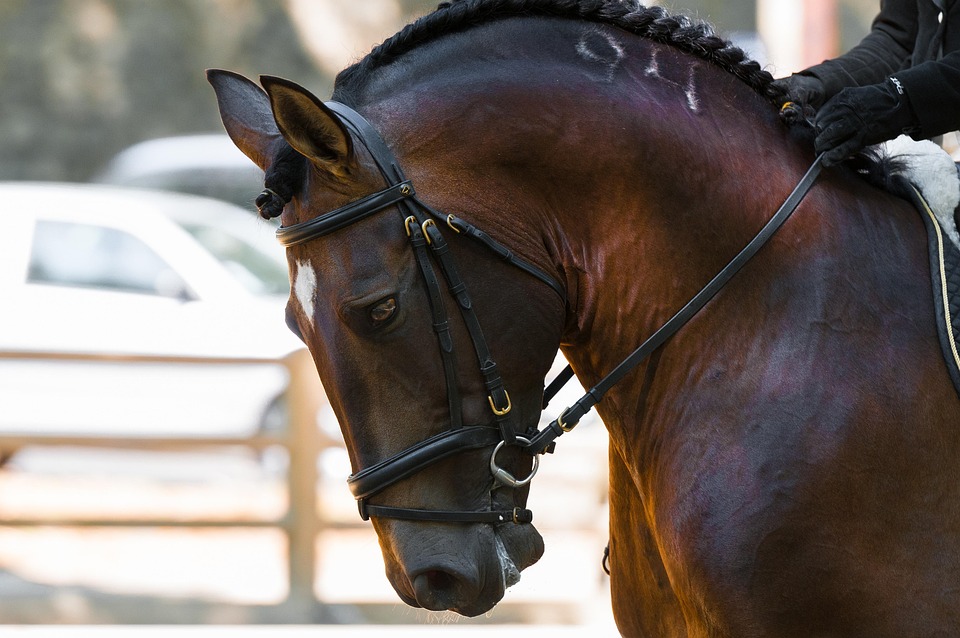
Dressage, often referred to as “horse ballet,” is a highly skilled form of riding that showcases the harmony between horse and rider. The sport involves a series of predetermined movements, known as “tests,” which are performed in a graceful and controlled manner. Mastering dressage techniques requires patience, dedication, and a deep understanding of both equine behavior and biomechanics. This article provides essential training tips to help riders enhance their dressage skills and achieve seamless performances.
The Importance of a Strong Foundation
Like any discipline, dressage begins with a solid foundation. Before advancing to more complex movements, riders must ensure their basic skills are well-established. This includes achieving a balanced seat, an independent hand, and effective use of the legs. Establishing a strong foundation not only aids in the execution of advanced techniques but also ensures the safety and well-being of both horse and rider.
Developing a Balanced Seat
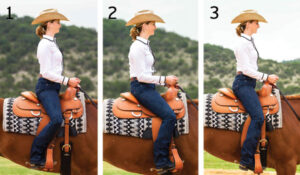
A balanced seat is crucial in dressage as it allows the rider to communicate effectively with the horse while maintaining stability. To develop a balanced seat, riders should focus on maintaining an upright posture with relaxed shoulders and an engaged core. Practicing exercises such as riding without stirrups or on a lunge line can help improve balance and coordination.
Achieving Independence of the Aids
Independence of the aids refers to the rider’s ability to use their hands, legs, and seat independently without relying on one to compensate for another. This skill is essential for precise communication with the horse. Riders should practice exercises that isolate each aid, such as riding transitions using only the seat or practicing circles with a focus on rein aids.
Understanding Horse Biomechanics
A thorough understanding of horse biomechanics is crucial for successful dressage training. Knowing how a horse’s body moves and how different muscles work together can help riders optimize their training approach and address any underlying issues that may affect performance.
The Horse’s Natural Gaits
Dressage is built on the natural gaits of the horse: walk, trot, and canter. Each gait has unique characteristics and requires specific training techniques. Riders should familiarize themselves with these gaits and learn how to enhance their quality through exercises such as transitions, lateral movements, and tempo adjustments.
Engagement and Collection
Engagement refers to the horse’s ability to carry more weight on its hindquarters, which is crucial for collection and advanced movements. Achieving engagement requires consistent training that focuses on strengthening the horse’s hind end and improving elasticity. Exercises such as half-halts, transitions within gaits, and lateral work can help develop engagement.
Training Tips for Mastering Dressage Techniques
1. Consistent Training Routine
Consistency is key in dressage training. Establishing a regular training routine helps both horse and rider build strength, endurance, and familiarity with dressage movements. Aim for short, focused sessions rather than extended periods of training to prevent fatigue and maintain the horse’s interest.
2. Focus on Basics Before Advancing
Before attempting advanced movements, ensure that the basics are solid. This includes achieving rhythm, relaxation, and connection. Riders should only progress to more complex exercises once these fundamental elements are consistently demonstrated.
3. Utilize Groundwork and Lunging
Groundwork and lunging are valuable tools for developing a horse’s strength and flexibility without the added weight of a rider. These exercises can help improve balance, responsiveness, and understanding of basic commands.
4. Incorporate Variety in Training
Variety is essential to prevent boredom and enhance a horse’s overall performance. Incorporate different exercises, such as cavaletti work, pole exercises, and trail rides, to keep the horse engaged and mentally stimulated.
5. Pay Attention to Rider Fitness
A rider’s physical fitness significantly impacts their ability to perform dressage movements effectively. Core strength, flexibility, and balance are crucial for maintaining a stable seat and communicating clearly with the horse. Incorporate exercises such as yoga, Pilates, and strength training into your routine.
Common Challenges in Dressage Training
Dealing with Tension
Tension in either the horse or rider can disrupt the fluidity of dressage movements. To address tension, focus on relaxation techniques and ensure a calm environment during training sessions. Deep breathing, stretching exercises, and positive reinforcement can help reduce stress and tension.
Improving Straightness
Straightness is a fundamental aspect of dressage that affects balance and symmetry. To improve straightness, practice exercises that encourage alignment, such as riding on the track, using mirrors, and incorporating lateral movements like shoulder-in and leg-yield.
Addressing Resistance
Resistance in the horse can manifest as refusal to perform certain movements or lack of responsiveness to aids. Addressing resistance involves identifying the root cause, such as discomfort, confusion, or lack of understanding. Patience, clear communication, and consistent training can help overcome resistance.
The Role of Professional Guidance
While self-training is valuable, professional guidance can significantly enhance a rider’s progress in dressage. Working with a qualified dressage trainer provides personalized feedback, expert insights, and structured training plans tailored to the individual needs of horse and rider. Regular lessons can accelerate learning and ensure that techniques are executed correctly.
Choosing the Right Trainer
When selecting a dressage trainer, consider their credentials, experience, and teaching style. A good trainer should be patient, communicative, and able to provide constructive feedback. Additionally, they should prioritize the welfare of the horse and emphasize ethical training practices.
Conclusion
Mastering dressage techniques is a rewarding journey that requires dedication, patience, and a willingness to learn. By focusing on building a strong foundation, understanding horse biomechanics, and implementing effective training tips, riders can enhance their dressage skills and achieve harmonious performances. Embrace the challenges, seek professional guidance, and most importantly, enjoy the journey with your equine partner.