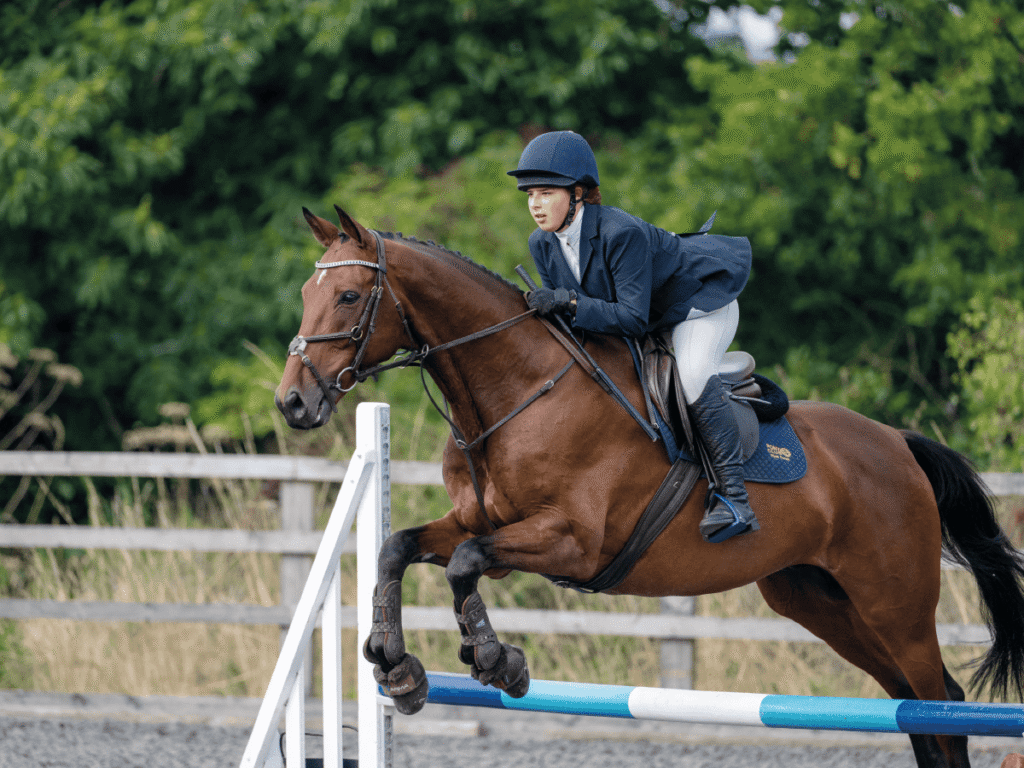
Jumping is one of the most exhilarating and challenging disciplines in the equestrian world. It requires a combination of skill, precision, and harmony between horse and rider. Whether you are a beginner looking to improve your jumping skills or an experienced equestrian seeking to refine your techniques, mastering the art of jumping is essential. In this article, we will explore expert tips and techniques that can help you and your horse excel in jumping.
Understanding the Basics of Jumping
Before diving into advanced techniques, it’s crucial to have a solid understanding of the basics. Jumping involves a series of stages, including approach, takeoff, flight, and landing. Each of these stages requires particular attention and finesse.
Approach
The approach is the foundation of a successful jump. It involves aligning your horse correctly, maintaining an appropriate pace, and ensuring a straight path to the jump. To achieve a good approach, focus on rhythm and balance. Practice maintaining a consistent pace and use your legs and reins to guide your horse in a straight line.
Takeoff
Takeoff is the moment when your horse pushes off the ground to clear the obstacle. A well-timed takeoff is crucial for a successful jump. Ensure your horse is engaged and responsive to your aids. Encourage your horse to use its hindquarters for propulsion, providing the necessary power to lift off.
Flight
During the flight phase, your horse should be relaxed and balanced. This is the moment when your horse is airborne, and your role is to maintain a stable position. Keep your eyes focused on the next jump or destination, stay centered, and allow your horse the freedom to move naturally.
Landing
Landing is the final phase of a jump and requires careful attention to ensure a smooth transition. Absorb the impact by bending your knees and maintaining a flexible posture. This will help you and your horse regain balance quickly, preparing for the next jump or continuing the course.
Developing a Strong Foundation
To master jumping techniques, it’s essential to develop a strong foundation in riding. This involves improving your overall riding skills, strengthening your horse’s muscles, and building a trusting partnership.
Flatwork Fundamentals
Flatwork is the cornerstone of successful jumping. It involves exercises that improve your horse’s flexibility, responsiveness, and balance. Spend time practicing transitions, circles, and lateral movements to enhance your horse’s obedience and suppleness. A well-rounded flatwork routine will lay the groundwork for effective jumping.
Strength and Conditioning
Jumping requires strength and conditioning for both horse and rider. Regular exercise and conditioning routines can help build the necessary muscle strength and stamina. Incorporate hill work, trot poles, and grid exercises into your training regimen to improve your horse’s fitness and agility.
Building Trust and Communication
A strong partnership between horse and rider is crucial for successful jumping. Spend time developing trust and communication through groundwork and bonding exercises. Establish a clear set of cues and commands that your horse understands and responds to consistently.
Advanced Jumping Techniques
Once you have mastered the basics and developed a strong foundation, you can explore advanced jumping techniques to enhance your skills further.
Adjusting Stride Length
Adjusting stride length is an essential skill for navigating different jump courses. Practice shortening and lengthening your horse’s stride to tackle combinations and related distances effectively. Utilize half-halts and seat aids to communicate the desired stride length to your horse.
Jumping Combinations and Grids
Jumping combinations and grids are designed to test your horse’s agility and your ability to ride with precision. Set up a series of grids with varying distances and heights to challenge yourself and your horse. Focus on maintaining rhythm and balance through each element of the combination.
Riding with Precision
Precision is key in jumping, especially in competitive settings. Practice riding accurate lines and aiming for the center of each jump. Use visual markers and landmarks to guide your approach and ensure consistent accuracy.
Improving Reaction Time
Quick reflexes and reaction time are vital for navigating complex courses. Engage in exercises that challenge your ability to react swiftly, such as rapid transitions and sudden changes of direction. These exercises will sharpen your reflexes and enhance your ability to respond to your horse’s movements.
Overcoming Common Jumping Challenges
Jumping can present various challenges, from refusal to loss of balance. Understanding and overcoming these challenges is crucial for progress and success.
Addressing Refusal
Refusal occurs when a horse stops or hesitates before a jump. To address this issue, ensure that your horse is confident and comfortable with the jumps. Gradually introduce new jumps and obstacles, rewarding your horse for successful attempts. Consistency and positive reinforcement will help build your horse’s confidence.
Managing Rider Nerves
Nerves can impact your performance and your horse’s confidence. Practice relaxation techniques such as deep breathing and visualization to calm your nerves before jumping. Confidence-building exercises and positive reinforcement will help you approach jumps with a calm and focused mindset.
Improving Balance and Position
Maintaining balance and position is critical for successful jumping. Engage in exercises that enhance your core strength and balance, such as riding without stirrups and practicing two-point position. A strong and balanced position will enable you to support your horse effectively throughout the jump.
Conclusion
Mastering jumping techniques requires dedication, practice, and a deep understanding of both horse and rider dynamics. By focusing on the fundamentals, developing a strong foundation, and exploring advanced techniques, you can enhance your jumping skills and achieve greater success in the equestrian world. Remember, patience and persistence are key, and every ride is an opportunity to learn and grow. Embrace the journey, build a strong partnership with your horse, and enjoy the thrill of mastering jumping techniques.