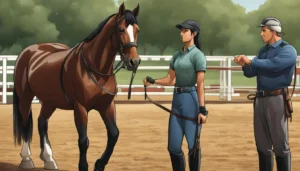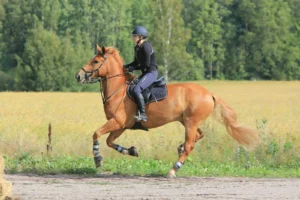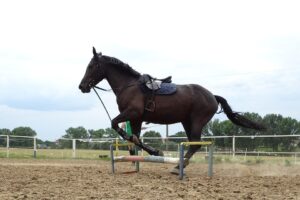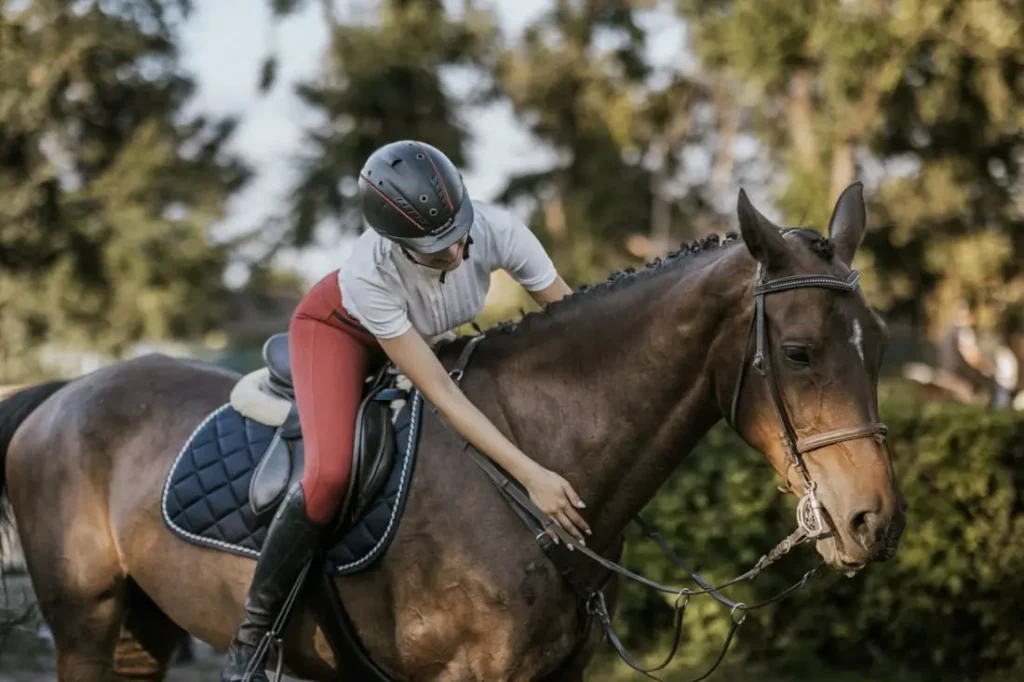
Equestrian sports require a harmonious connection between the rider and the horse. At the heart of this partnership is balance, which is essential for effective communication and performance. Whether you’re a novice rider or an experienced equestrian, mastering balance can vastly improve your riding skills, enhance the safety of your rides, and increase the enjoyment of your equestrian journey.
Understanding the Importance of Balance
Balance is the ability to maintain a stable position while moving or stationary. In horse riding, balance is crucial because it affects how the rider sits on the horse, communicates through aids, and adapts to the horse’s movements. A balanced rider reduces the risk of falls, improves the horse’s performance, and creates a more comfortable ride for both parties.
Key Components of Riding Balance
Before diving into exercises, it is important to understand the key components of riding balance. These include:
- Core strength: This is the foundation of balance. A strong core stabilizes the rider’s body and allows for independent movement of arms and legs.
- Body alignment: Proper alignment ensures that weight is distributed evenly, which is crucial for maintaining balance.
- Flexibility: Flexibility allows for fluid movement and the ability to adapt to the horse’s gait changes.
- Coordination: Coordination between the rider’s body and the horse’s movements is essential for effective riding.
Top Exercises for Improving Riding Balance
1. Core Strengthening Exercises
The core is the powerhouse of your body and plays a critical role in maintaining balance. Here are some exercises to strengthen your core:
- Planks: Begin with a forearm plank, keeping your body in a straight line from head to heels. Hold for 30 seconds to one minute, gradually increasing the duration as your strength improves.
- Russian Twists: Sit on the ground with your knees bent, lean back slightly, and lift your feet off the floor. Hold a weight or a ball with both hands and twist your torso to touch the ground on each side.
- Bicycle Crunches: Lie on your back, lift your legs to a 90-degree angle, and alternate bringing your elbow to the opposite knee in a crunching motion.
2. Balance Board Exercises
Using a balance board simulates the instability of riding a horse and helps improve your balance reflexes:
- Basic Balance: Stand on the balance board with your feet shoulder-width apart. Focus on keeping the board level without letting the edges touch the ground.
- Single-leg Stance: Stand on the balance board with one leg lifted. This exercise challenges your balance and strengthens your stabilizing muscles.
- Squats: Perform shallow squats on the balance board to engage your core and legs simultaneously.
3. Yoga for Equestrians
Yoga enhances flexibility, strength, and mental focus, all of which contribute to better balance:
- Tree Pose: Stand on one leg and place the sole of your other foot against your inner thigh. Focus on a point in front of you to maintain balance.
- Warrior II: Extend your arms parallel to the floor and bend your front knee, keeping your gaze over your front hand. This pose strengthens the legs and improves focus.
- Downward Dog: This pose stretches the entire body and enhances core engagement, crucial for riding balance.
4. Riding Without Stirrups
Practicing without stirrups improves balance by forcing the rider to rely on their core and seat for stability:
- Walk and Trot: Start at a walk and progress to a trot, focusing on maintaining a deep seat and even weight distribution.
- Transitions: Practice transitions between walk, trot, and canter without stirrups to improve coordination and balance.
5. Pilates for Equestrians
Pilates focuses on core strength and body awareness, making it an excellent complement to riding:
- Pelvic Tilts: Lie on your back with knees bent. Engage your core to lift your pelvis slightly, then lower it back down.
- Roll-ups: Lie on your back with arms extended overhead. Engage your core to roll up to a sitting position, then slowly roll back down.
- Leg Circles: Lie on your back and extend one leg toward the ceiling. Make small circles with your leg, focusing on control and stability.
Conclusion
Mastering balance in equestrian sports is a continuous journey that requires dedication and practice. By incorporating these exercises into your routine, you can enhance your riding skills, improve your partnership with your horse, and enjoy a safer and more fulfilling equestrian experience. Remember, consistency is key, and progress may be gradual, but the rewards of improved balance are invaluable both in and out of the saddle.
With commitment and patience, you’ll find that achieving balance not only transforms your riding but also enhances your overall physical fitness and mental clarity. So, embrace the challenge and enjoy the journey towards mastering riding balance.
#ChatGPT assisted in the creation of this article.