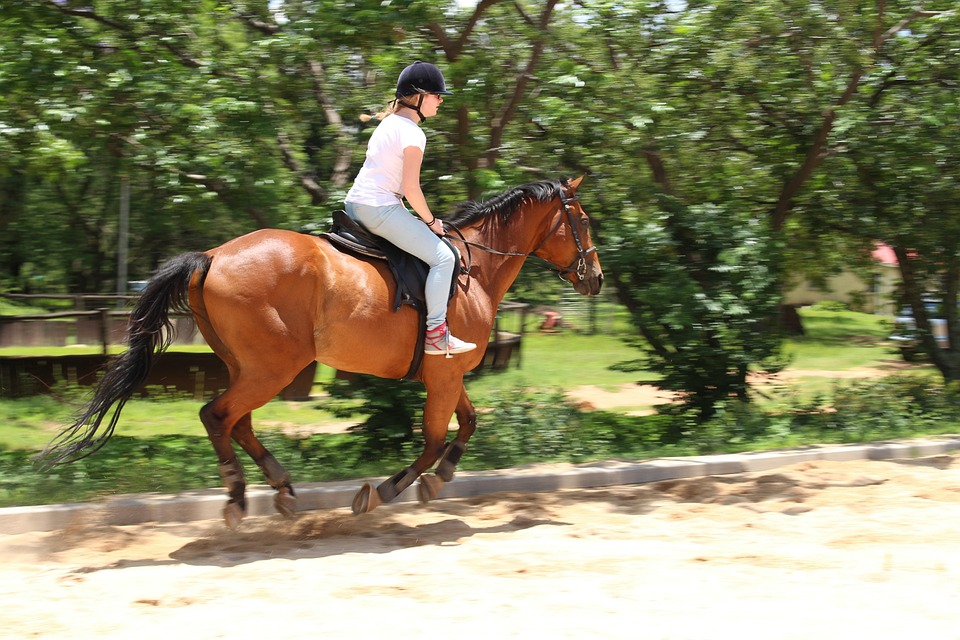
The canter is a fundamental gait in horseback riding, offering a smooth, three-beat rhythm that provides both excitement and elegance. Mastering the canter is essential for riders who wish to enhance their riding skills, whether for competition or pleasure. This article provides a comprehensive guide to help riders develop their cantering skills, focusing on balance, communication with the horse, and effective training techniques.
Understanding the Canter
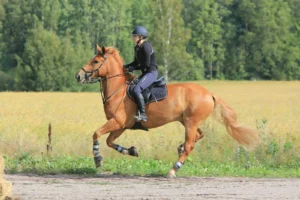
Before delving into training tips, it is crucial to understand the mechanics of the canter. The canter is a controlled, three-beat gait where the horse moves in a specific sequence: outside hind leg, inside hind leg and outside front leg together, followed by the inside front leg, creating a moment of suspension.
A correct and balanced canter is essential for effective riding and maintaining harmony with your horse. Developing an understanding of the horse’s movement and rhythm is the first step in mastering this gait.
Establishing the Basics
Correct Positioning
To effectively communicate with the horse and maintain balance, the rider must adopt a correct position. Sit deep in the saddle with a straight back and relaxed shoulders. Your hips should move in harmony with the horse’s motion, allowing for flexibility and balance. Keep your heels down and maintain a light contact with the reins.
Understanding Leads
The concept of leads is crucial in cantering. The lead refers to the sequence in which the horse’s legs move, either left or right. Choosing the correct lead is important for balance and direction. When turning right, the horse’s right front leg should lead, and vice versa for turning left. Practicing lead changes is a key component in mastering the canter.
Training Tips for Mastering the Canter
Developing a Consistent Rhythm
A consistent rhythm is key to a smooth canter. Start by practicing transitions between the trot and canter to build rhythm and timing. Focus on maintaining a steady pace and avoid rushing or pulling back on the reins, which can disrupt the horse’s balance.
Engaging the Horse’s Hindquarters
Engaging the hindquarters is crucial for a powerful and balanced canter. Use transitions and exercises like circles, serpentines, and lateral work to encourage the horse to engage its hind end. This not only improves strength and balance but also ensures a more controlled canter.
Practicing Transitions
Practicing transitions between different gaits improves control and responsiveness. Work on smooth transitions from walk to canter, trot to canter, and vice versa. This helps the horse anticipate the rider’s cues and enhances communication between horse and rider.
Using Visual Aids
Visual aids, such as cones or poles, can be instrumental in improving the canter. Set up a course to practice leads, transitions, and circles. This visual guidance helps the rider maintain a consistent line and aids the horse in understanding the rider’s intentions, fostering better communication.
Common Challenges and Solutions
Anticipating the Canter
One common challenge is the horse anticipating the canter, leading to rushed transitions or incorrect leads. To address this, practice patience and consistency. Reinforce cues for transitions and vary the sequence of exercises to prevent anticipation.
Balance Issues
Balance issues in the canter can arise from incorrect positioning or lack of engagement from the horse’s hindquarters. Focus on maintaining your own balance and using exercises to engage the horse’s hind end. Regularly check your position and adjust as necessary to ensure harmony between you and your horse.
Advanced Techniques
Counter-Canter
Once the basics of cantering are mastered, riders can explore advanced techniques like counter-canter. This involves cantering on the opposite lead to the direction of travel, improving balance, flexibility, and control. It also prepares the horse for more complex maneuvers.
Flying Lead Changes
Flying lead changes are an advanced skill that involves changing the lead without breaking gait. This requires precise timing and communication. Begin by practicing simple lead changes and gradually progress to flying changes as you and your horse gain confidence and experience.
Conclusion
Mastering the canter is a rewarding journey that enhances the rider’s skills and deepens the bond with the horse. By focusing on balance, rhythm, and effective communication, riders can achieve a harmonious and controlled canter. Whether preparing for competition or enjoying leisurely rides, the skills developed in mastering the canter are invaluable for any equestrian enthusiast.