Horse riding is an exhilarating sport that combines the elegance of the horse with the skill of the rider. For beginners, the journey from novice to proficient rider is filled with excitement and challenges. However, like any learning process, it’s important to recognize common mistakes that can hinder progress and sometimes even lead to unsafe situations. This article aims to highlight the top horse riding mistakes that beginners should avoid to ensure a safe and enjoyable experience.
Choosing the Wrong Horse
Selecting the right horse is crucial for a positive riding experience. Beginners often make the mistake of choosing a horse based on appearance or excitement rather than compatibility.
Compatibility Over Appearance
While a horse may look stunning, it doesn’t necessarily mean it’s the right fit for a beginner. A calm, patient, and well-trained horse is typically more suitable for those just starting.
Understanding Horse Temperament
Each horse has a unique temperament. Beginners should seek horses with a gentle disposition. It’s beneficial to have an experienced instructor help in assessing the horse’s suitability.
Poor Posture and Balance
Maintaining proper posture and balance is fundamental to effective riding. Many beginners struggle with this, leading to discomfort and ineffective riding.
Correct Body Alignment
A common mistake is slouching or leaning too far forward, which can unbalance the rider and horse. Riders should aim to sit tall, with shoulders back and eyes forward, aligning their body with the horse’s movement.
Finding the Center of Gravity
Understanding and feeling the horse’s movement beneath them helps riders maintain balance. Beginners should practice exercises that improve core strength and stability, aiding in better balance.
Incorrect Use of Reins
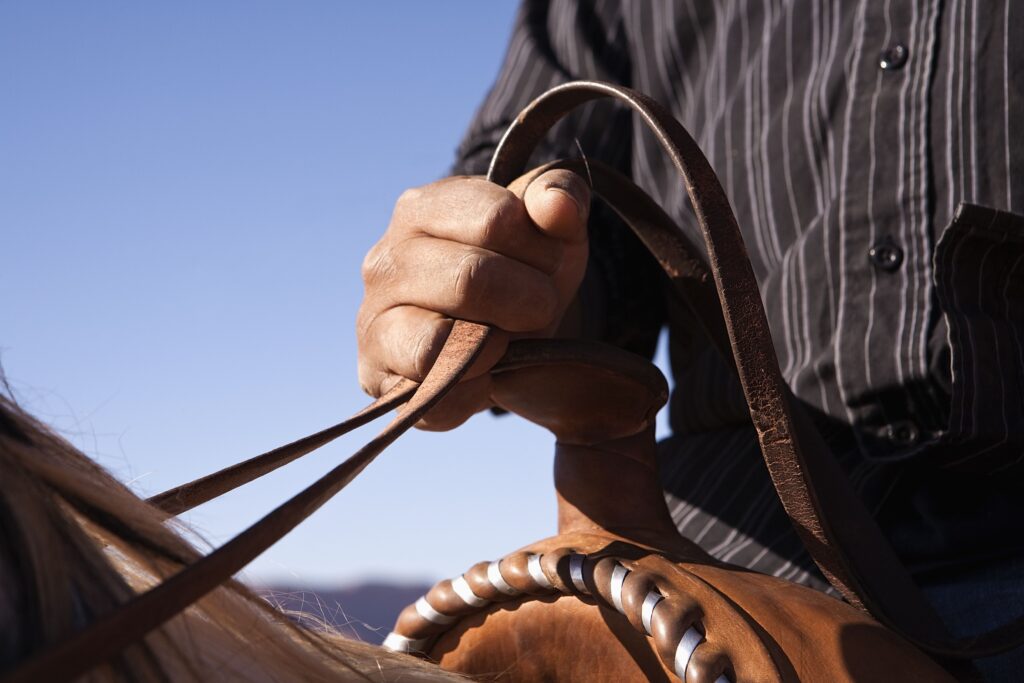
The reins are a primary tool for communication with the horse. Misusing them can confuse or frustrate the horse, leading to a less enjoyable ride.
Avoiding Excessive Tension
Beginners often hold the reins too tightly, which can make the horse feel restricted. Instead, riders should aim for a firm but gentle hold, allowing for fluid communication.
Learning Proper Rein Signals
Understanding how to give clear and concise signals through the reins is crucial. Beginners should practice rein techniques under the supervision of an instructor to ensure they’re using them effectively.
Neglecting Safety Gear
Safety should always be a priority when riding. Beginners sometimes overlook the importance of proper gear, which can lead to injuries.
Importance of Helmets
Wearing a helmet is non-negotiable. It protects riders from potential head injuries in case of a fall. Beginners should invest in a quality helmet that fits well.
Appropriate Riding Attire
Proper footwear, such as riding boots, prevents feet from slipping through stirrups. Additionally, wearing gloves can improve grip on the reins, and a well-fitted riding jacket can provide extra protection and comfort.
Ignoring Instruction and Feedback
Feedback from instructors and experienced riders is invaluable. However, beginners sometimes ignore this advice, either out of overconfidence or misunderstanding.
Being Open to Learning
Riding is a continuous learning process. Beginners should remain open to feedback and be willing to adjust their techniques based on expert advice.
Regularly Attending Lessons
Consistent lessons with a qualified instructor can significantly improve a beginner’s skills. Regular practice under supervision helps reinforce correct techniques and build confidence.
Overestimating Riding Ability
Confidence is important, but overestimating one’s abilities can lead to dangerous situations.
Gradual Skill Development
Beginners should focus on mastering basic skills before attempting more advanced techniques or faster-paced riding. It’s important to progress at a pace that matches their comfort and skill level.
Recognizing Limits
Acknowledging personal limits and the horse’s capabilities is essential. Riders should avoid pushing themselves or their horses too hard, as this can lead to accidents or stress.
Failure to Understand Horse Behavior
Understanding basic horse behavior is key to effective riding. Beginners often misinterpret a horse’s actions, leading to miscommunication.
Learning Equine Body Language
Recognizing signs of discomfort, fear, or agitation in a horse can prevent issues. Beginners should familiarize themselves with common behavioral cues to better understand their horse.
Building a Bond with the Horse
Spending time grooming and interacting with the horse outside of riding helps build trust and understanding. This bond enhances communication and cooperation during rides.
Neglecting the Horse’s Well-being
A happy and healthy horse is more responsive and enjoyable to ride. Beginners sometimes overlook the importance of the horse’s care and comfort.
Regular Health Checks
Ensuring the horse is in good health is fundamental. Regular vet check-ups, dental care, and proper nutrition are essential for the horse’s well-being.
Comfortable Tack Fit
Ill-fitting tack can cause discomfort and behavioral issues in horses. Beginners should seek guidance in properly fitting saddles, bridles, and other equipment.
Conclusion
Horse riding is a rewarding journey that requires patience, practice, and a willingness to learn. By understanding and avoiding these common mistakes, beginners can enhance their riding experience, ensuring it is both safe and enjoyable. Emphasizing safety, proper technique, and effective communication with the horse will lead to more fulfilling rides and a deeper connection with these magnificent animals. Whether you’re new to the saddle or looking to refine your skills, remembering these tips will help you become a more confident and competent rider.