Embarking on the journey of horse riding is an exciting adventure that combines the thrill of connecting with these majestic creatures and the joy of learning a new skill. As a beginner, it is crucial to equip yourself with the right gear to ensure safety, comfort, and an enjoyable riding experience. This guide will walk you through the essential horse riding gear for beginners, offering insights into what to look for and how to make the best choices for your needs.
Understanding the Basics: Why Proper Gear Matters
Before diving into the specifics of horse riding gear, it’s important to understand why proper equipment is essential. Safety is the primary concern; well-designed gear protects riders from potential injuries. Comfort is another critical factor, as improper gear can lead to discomfort and distract from the riding experience. Finally, the right equipment can enhance your performance, helping you develop better riding skills as you grow more confident.
Essential Riding Apparel
Riding Helmet
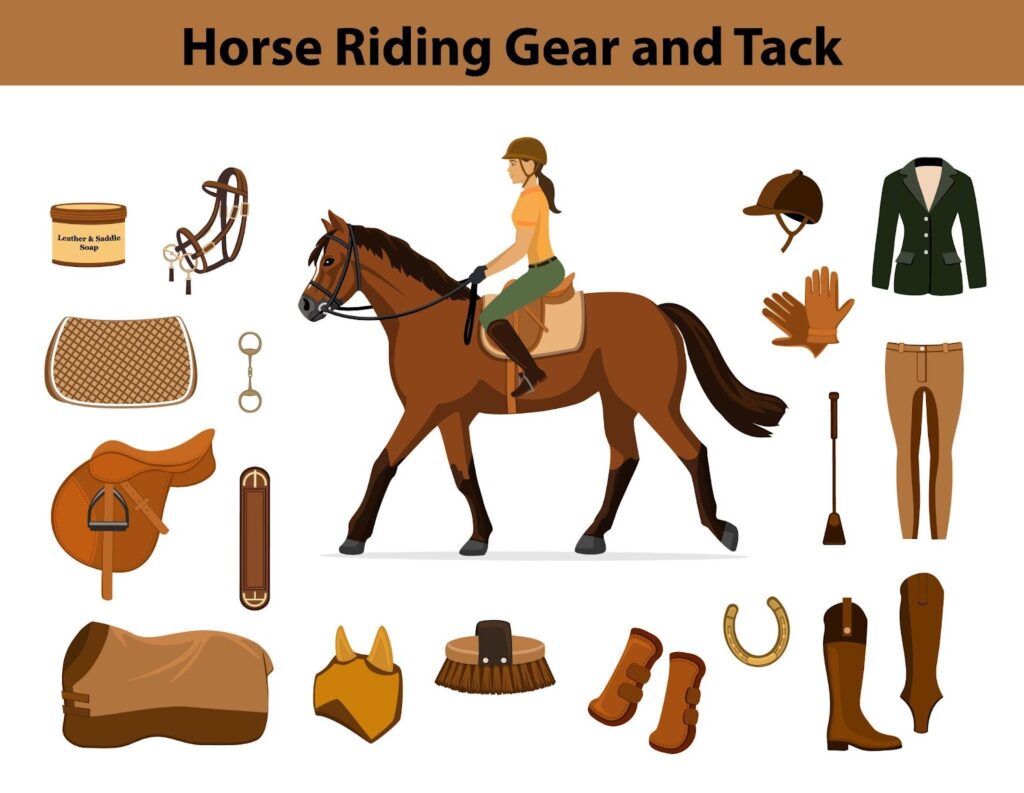
The riding helmet is undoubtedly the most crucial piece of gear for any rider. It protects your head from injuries in case of falls or accidents. When selecting a helmet, ensure it meets safety standards such as ASTM/SEI certification. The helmet should fit snugly, covering your head and forehead without obstructing your vision. Adjustable straps help maintain a secure fit.
Riding Boots
Riding boots are designed to provide grip and stability in the stirrups, while also safeguarding your feet. Look for boots with a small heel, as this prevents your foot from slipping through the stirrup. There are two main types of riding boots: paddock boots (shorter) and tall boots (knee-length). As a beginner, paddock boots are often more comfortable and versatile.
Riding Pants
Riding pants, also known as breeches or jodhpurs, are tailored to provide comfort and flexibility. They are typically made from stretchy materials to allow free movement and feature reinforced knee patches for durability. Opt for pants that fit snugly without restricting your movements.
Gloves
Riding gloves offer grip and protection against blisters from holding the reins. They also provide an extra layer of warmth during colder rides. Choose gloves with a good grip, breathable fabric, and a snug fit.
Safety Gear
Body Protector
A body protector is a piece of gear designed to cushion impacts and reduce the risk of injury to your torso. While not mandatory in all disciplines, it is highly recommended for beginners, especially when learning to jump or ride in more challenging environments. Ensure the protector fits well, covering your chest and back without restricting movement.
Reflective Gear
If you plan to ride during low-light conditions, reflective gear is essential for visibility. Reflective vests, bands, and lights can be worn or attached to both the rider and the horse to ensure you are seen by others.
Essential Horse Tack
Saddle
The saddle is a crucial component that provides support and balance while riding. There are various types of saddles, such as English, Western, and dressage. As a beginner, choose a saddle that suits your chosen riding style and fits both you and your horse comfortably. A professional saddle fitting is advisable to ensure the best fit.
Bridle
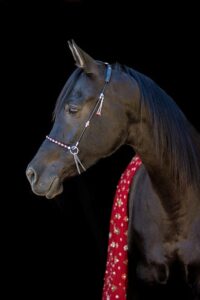
The bridle is used to direct the horse and is an essential piece of communication equipment. A basic bridle consists of a headstall, bit, and reins. Ensure the bridle fits your horse properly, allowing comfortable movement of its mouth and head.
Girth
The girth secures the saddle in place, wrapping around the horse’s belly. It should be tight enough to hold the saddle without pinching or causing discomfort to the horse. Ensure the girth is made from durable materials and properly adjusted.
Stirrups
Stirrups support the rider’s feet and aid in maintaining balance. Ensure they are the correct size to prevent your foot from slipping through. Adjustable stirrup leathers allow for customization based on your height and comfort.
Additional Accessories
Whip or Crop
A whip or crop can be used as an aid in communicating with your horse. It is important to learn how to use these tools correctly and humanely. Beginners should seek instruction on proper use from a qualified trainer.
Saddle Pad
A saddle pad sits between the saddle and the horse’s back, providing cushioning and protecting the horse from friction. Choose a pad that is appropriate for your saddle type and offers adequate padding.
Horse Boots
Horse boots protect the horse’s legs from injuries. There are various types, including brushing boots, tendon boots, and bell boots. Consult with your trainer to determine if your horse requires additional leg protection and which type is most suitable.
Caring for Your Gear
Proper maintenance of your riding gear ensures longevity and performance. Clean your helmet regularly and check for any signs of damage. Leather gear, such as saddles and bridles, should be cleaned and conditioned to prevent cracking. Regularly inspect all equipment for wear and tear, replacing any items that are damaged or no longer safe.
Final Thoughts
Investing in quality horse riding gear is a vital step for beginners embarking on their equestrian journey. Not only does it enhance safety and comfort, but it also contributes to a positive and successful learning experience. By understanding the importance of each piece of equipment and taking the time to choose the right gear, you set the foundation for a rewarding and enjoyable riding adventure.
Always seek guidance from experienced riders or trainers when selecting and using your gear, and remember that safety should always be your top priority. With the right preparation and equipment, you can confidently immerse yourself in the world of horse riding and enjoy the many benefits it offers.
#ChatGPT assisted in the creation of this article.