Owning a horse is a dream for many, a symbol of freedom and connection with nature. However, horse ownership is more than just a romantic notion; it involves responsibility, time, and knowledge. This guide is designed to provide you with the essential information you need to become a successful horse owner, ensuring both you and your horse enjoy a fulfilling and happy partnership.
Choosing the Right Horse
Understanding Different Horse Breeds
Horses come in a variety of breeds, each with its unique characteristics, temperament, and suitability for different activities. Whether you’re interested in dressage, jumping, trail riding, or simply a companion, understanding the different breeds is crucial. Popular breeds include:
– **Thoroughbred**: Known for their speed and agility, perfect for racing and jumping.
– **Quarter Horse**: Versatile and calm, ideal for beginners and western riding.
– **Arabian**: Known for endurance and intelligence, excellent for long-distance riding.
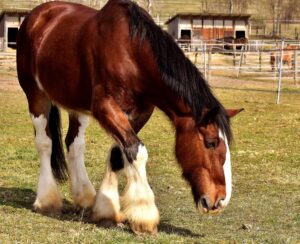
– **Clydesdale**: Gentle giants, great for heavy pulling and draft work.
Assessing Your Needs and Capabilities
Before purchasing a horse, assess your riding skills, experience level, and the time you can dedicate. Beginners should consider a well-trained, older horse with a calm disposition. Additionally, consider the horse’s health and any specific care requirements they might have.
Setting Up the Right Environment
Stable and Shelter Requirements
Horses require proper shelter to protect them from harsh weather conditions. A stable should provide:
– Adequate ventilation to ensure fresh air circulation.
– Dry, clean bedding to prevent respiratory and hoof problems.
– Enough space for the horse to move comfortably.
Pasture Management
If your horse will have access to pasture, ensure the area is safe, with secure fencing and free from harmful plants. Regularly rotate grazing areas to maintain healthy grass and prevent overgrazing.
Nutrition and Feeding
Understanding Equine Nutrition
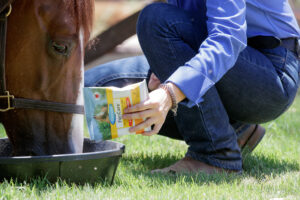
Horses require a balanced diet rich in fiber, which primarily comes from hay and pasture. Depending on the horse’s age, breed, and activity level, you may need to supplement with grains or concentrates. Always ensure access to clean, fresh water.
Special Dietary Needs
Some horses may have special dietary needs due to health issues like laminitis or allergies. Consult with a veterinarian or an equine nutritionist to tailor a diet plan that meets your horse’s requirements.
Health and Veterinary Care
Regular Health Checks
Regular veterinary check-ups are essential to spot any health issues early. A typical health check includes dental care, deworming, and vaccinations against common equine diseases.
Understanding Common Health Issues
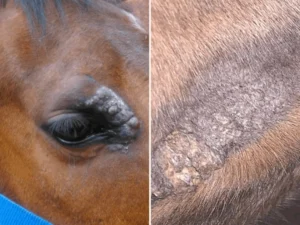
Familiarize yourself with common equine health problems, such as colic, laminitis, and respiratory issues. Recognizing early signs can make a significant difference in treatment outcomes.
Training and Exercise
Basic Training Principles
Consistent training is crucial for a well-behaved horse. Whether you’re training a young horse or refining an older horse’s skills, patience and positive reinforcement are key.
Ensuring Regular Exercise
Horses are naturally active animals and require regular exercise to stay healthy. Tailor exercise routines to your horse’s age, breed, and activity level, incorporating both riding and groundwork.
Building a Relationship with Your Horse
Understanding Equine Behavior
Building a strong bond with your horse involves understanding its behavior and body language. Horses are social animals that respond well to positive interactions and clear communication.
Spending Quality Time Together
Spend time grooming, talking, and simply being with your horse outside of riding or training sessions. This helps to build trust and a deeper connection.
Financial Considerations
Budgeting for Horse Ownership
Owning a horse can be financially demanding. Expenses include feed, veterinary care, farrier services, equipment, and stable maintenance. It’s important to plan and budget to ensure you can meet all these needs.
Insurance and Emergency Funds
Consider investing in equine insurance to cover unforeseen medical expenses. Additionally, setting aside an emergency fund can provide peace of mind in case of unexpected costs.
Conclusion
Successful horse ownership is a rewarding journey filled with learning and personal growth. By understanding your horse’s needs and providing the care and attention they deserve, you’ll cultivate a strong, lasting bond. This guide offers a foundation, but remember that every horse is unique, and continuous learning and adaptation are key to a harmonious partnership.
Additional Resources
– **Books**: “The Complete Horse Care Manual” by Colin Vogel.
– **Websites**: The Horse.com for reliable equine health and care information.
– **Communities**: Join local equestrian clubs or online forums to connect with other horse owners and share experiences.
In the end, the journey of horse ownership is as much about understanding and growth as it is about the joy of riding. Embrace the challenges and cherish the moments you share with your horse, making the experience enriching and fulfilling for both of you.