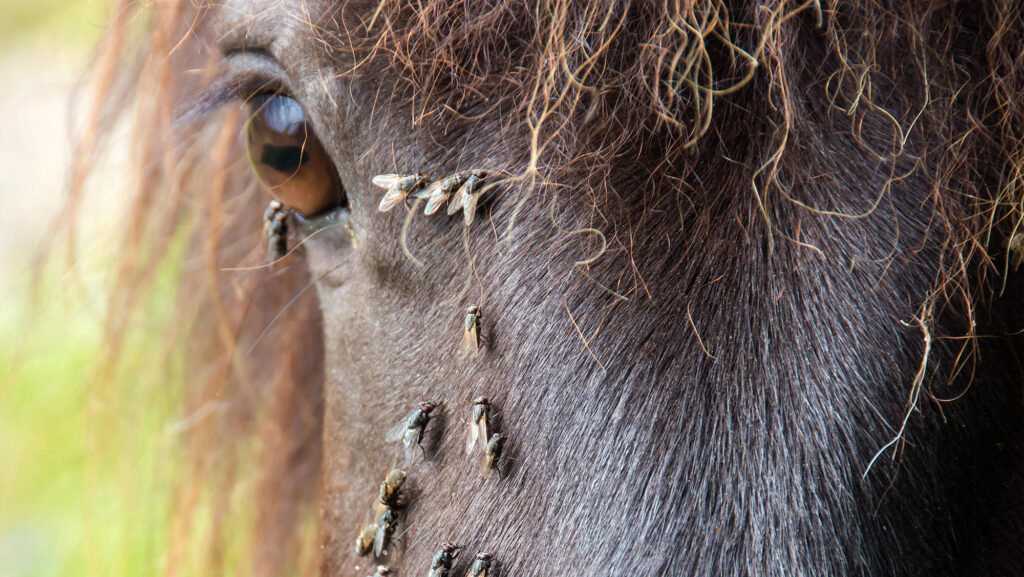
Horse owners understand the importance of maintaining a clean and healthy environment for their equine companions. Among the many challenges faced, controlling flies is one of the most persistent and bothersome. Flies are not only a nuisance but can also pose significant health risks to horses, including the transmission of diseases and causing discomfort that can lead to behavioral issues. In this article, we will explore effective horse fly control tips to ensure healthier and happier horses.
Understanding the Problem: Why Fly Control is Crucial
Flies are more than just a minor annoyance. They are vectors for various diseases and can contribute to infections by laying eggs in wounds or transporting pathogens. Some of the common issues associated with flies include:
- Spread of Diseases: Flies can carry and spread diseases such as equine infectious anemia and conjunctivitis.
- Stress and Discomfort: Constant buzzing and biting can cause stress, leading to weight loss and decreased performance.
- Skin Infections: Flies can exacerbate skin conditions and cause infections through bites and laying eggs in open wounds.
Understanding these risks emphasizes the need for effective fly control measures to ensure your horse’s health and well-being.
Environmental Management
One of the most effective ways to control flies is through environmental management. By making the environment less hospitable to flies, you can significantly reduce their population.
Manure Management
Proper manure management is crucial in controlling fly populations. Flies breed in manure, so regular removal and proper disposal can drastically reduce their numbers. Consider the following tips:
- Regular Cleaning: Clean stalls and paddocks daily to remove manure.
- Composting: Properly compost manure to kill fly eggs and larvae.
- Manure Storage: Store manure away from barns and living areas to reduce fly attraction.
Waste Water Management
Flies are also attracted to standing water, which serves as a breeding ground for many species. Ensure that water troughs are cleaned regularly and that any standing water is drained or treated.
Pasture Management
Rotate pastures to prevent overgrazing and to break the fly lifecycle. Overgrazed pastures can become breeding grounds for flies due to the accumulation of manure and moisture.
Physical Barriers and Traps
Implementing physical barriers and traps can be an effective way to control fly populations without resorting to chemicals.
Fly Masks and Sheets
Fly masks and sheets provide a protective barrier between flies and horses. These are especially useful for horses with sensitive skin or those that are particularly bothered by flies.
Fly Traps
Fly traps can be strategically placed around the stable to capture and kill flies. There are several types of traps available:
- Sticky Traps: These are coated with a sticky substance that captures flies upon contact.
- Bait Traps: These use an attractant to lure flies into a container where they are trapped and die.
- Electric Traps: These use light to attract flies and deliver a lethal electric shock.
Chemical Controls
When environmental and physical controls are not enough, chemical controls can be used. However, these should be used judiciously and according to the manufacturer’s instructions to avoid potential harm to horses and the environment.
Insecticides and Repellents
Insecticides can be applied to the environment or directly to the horse. Consider the following options:
- Topical Repellents: These can be applied to the horse’s coat to repel flies. They usually contain pyrethroids or natural oils.
- Feed-Through Products: These are added to the horse’s feed and prevent larval development in manure.
- Sprays and Pour-Ons: These are applied to the environment or directly to the horse to kill or repel flies.
Biological Controls
Biological controls involve using natural predators or parasites to control fly populations. This can include the introduction of parasitic wasps that lay eggs in fly pupae, preventing them from hatching.
Integrated Fly Control Program
For a comprehensive approach, an integrated fly control program should be employed. This involves combining various methods to effectively manage fly populations. The key components of an integrated program include:
- Assessment: Regularly assess fly populations and identify breeding sites.
- Planning: Develop a fly control plan that includes environmental, physical, and chemical controls.
- Implementation: Consistently apply the chosen methods and adjust as necessary based on effectiveness.
- Monitoring and Evaluation: Continuously monitor the effectiveness of the control measures and make adjustments as needed.
Conclusion
Effective fly control is essential for maintaining the health and comfort of horses. By understanding the risks associated with flies and implementing a combination of environmental, physical, and chemical controls, horse owners can significantly reduce fly populations and improve the quality of life for their equine companions. An integrated fly control program that includes regular assessment, planning, and evaluation will ensure the most effective results. By taking proactive steps in fly management, horse owners can provide a healthier and more comfortable environment for their horses, ultimately leading to happier and more productive animals.