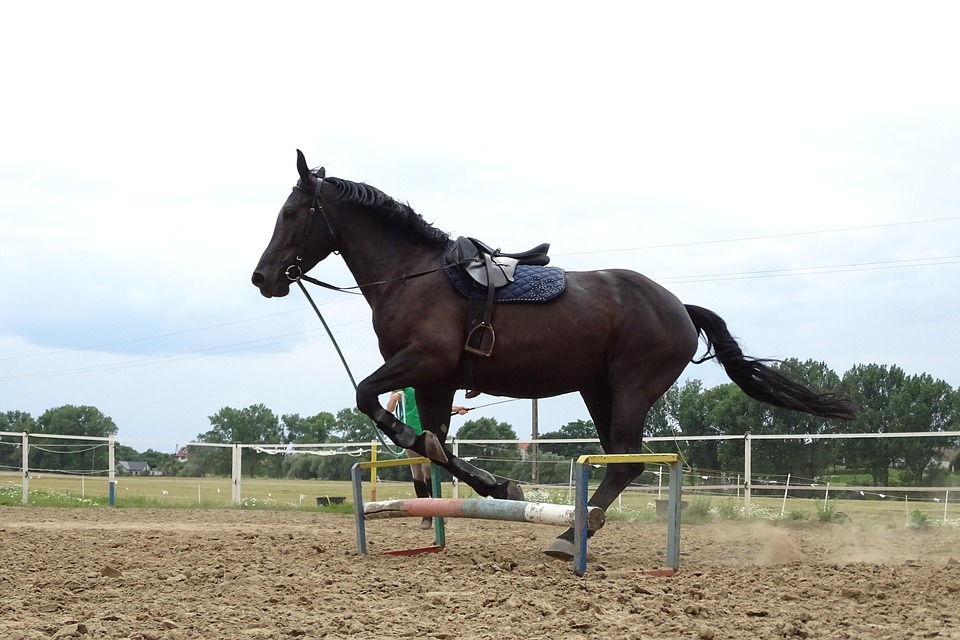
Training a horse is a rewarding journey that not only enhances the skills of the horse but also strengthens the bond between horse and handler. While the fundamentals of training are universally applicable, each horse breed has unique characteristics that necessitate tailored training approaches. This article delves into expert tips for mastering horse breed training, offering insights into how to effectively train various horse breeds.
Understanding Horse Breeds
Horses come in a multitude of breeds, each with distinct traits, temperaments, and capabilities. Understanding these differences is crucial for effective training. For instance, Arabian horses are known for their intelligence and endurance, while Thoroughbreds are celebrated for their speed and agility. Recognizing these inherent traits can guide a trainer in designing a suitable training regimen.
Arabian Horses
Arabian horses are one of the oldest and most recognizable breeds. Known for their intelligence and sensitivity, they require a training approach that is gentle yet consistent. Positive reinforcement and patience are key when working with Arabians. Due to their spirited nature, they respond well to varied training sessions that keep them engaged.
Thoroughbreds
Thoroughbreds, renowned for their racing prowess, are high-energy horses that demand a rigorous training schedule. They thrive under structured routines but can be prone to anxiety if not properly managed. Incorporating regular exercise, mental stimulation, and gradual exposure to new environments can help in training Thoroughbreds effectively.
Quarter Horses
Quarter Horses are versatile and excel in various disciplines, from racing to ranch work. Their calm demeanor and quick learning ability make them ideal for beginners. Training should focus on building their natural skills and reinforcing their inherent work ethic. Consistency and clear commands are essential when working with Quarter Horses.
Training Techniques
Successful horse training is a blend of art and science, requiring an understanding of both behavioral psychology and physical conditioning. Here are some expert-recommended techniques for mastering horse breed training:
Positive Reinforcement
Positive reinforcement involves rewarding a horse for desirable behavior, encouraging them to repeat it. This method is particularly effective for breeds that are sensitive and intelligent, such as Arabians. Rewards can include treats, praise, or a break from work. Consistency is crucial to reinforce the connection between the behavior and the reward.
Desensitization
Desensitization is the gradual exposure of a horse to new stimuli to reduce fear and anxiety. This technique is vital for breeds like Thoroughbreds, which can be easily spooked. Start with low-intensity stimuli and slowly increase exposure as the horse becomes more comfortable. This builds trust and confidence in the horse.
Groundwork
Groundwork lays the foundation for a strong horse-handler relationship. It involves training exercises performed from the ground, such as leading, backing up, and yielding to pressure. Groundwork is essential for all breeds as it establishes respect and communication. Breeds like Quarter Horses greatly benefit from this due to their responsive nature.
Addressing Behavioral Challenges
Every horse will present unique behavioral challenges during training. Understanding the root cause of these behaviors is vital for effective intervention:
Fear and Anxiety
Fear and anxiety are common challenges in horse training. Identifying the source of the fear is the first step. Gradual desensitization and consistent positive reinforcement can help mitigate these issues. Maintaining a calm and patient demeanor as a trainer is crucial, as horses are sensitive to the emotions of their handlers.
Dominance and Aggression
Some horses may exhibit dominance or aggression, often stemming from a lack of respect or unclear boundaries. Establishing clear rules and consistent consequences for behavior is essential. Groundwork exercises that reinforce leadership and respect can help address these challenges, particularly with strong-willed breeds.
Lack of Focus
A horse may become easily distracted, particularly in new or stimulating environments. Breeds like Arabians may require varied training sessions to maintain their interest. Ensuring that training sessions are engaging and of appropriate duration can improve focus and concentration.
Developing a Training Plan
Creating a comprehensive training plan tailored to the individual horse and its breed characteristics is key to successful training outcomes:
Assessment and Goal Setting
Begin by assessing the horse’s current abilities and temperament. Set realistic, progressive goals that align with the horse’s capabilities and the handler’s objectives. Regularly review and adjust goals as the horse progresses.
Customizing Training Sessions
Design training sessions that cater to the specific needs of the horse. For instance, a high-energy Thoroughbred may require longer, more intense sessions, while a sensitive Arabian might benefit from shorter, varied exercises. Balance physical training with mental stimulation to keep the horse engaged.
Monitoring Progress
Regularly monitor the horse’s progress and adapt the training plan as needed. Look for signs of improvement in behavior, performance, and overall demeanor. Be flexible and ready to adjust techniques if the horse is not responding as expected.
Conclusion
Mastering horse breed training involves understanding the unique characteristics and needs of each breed, employing effective training techniques, and addressing behavioral challenges with patience and consistency. By developing a tailored training plan and fostering a strong bond with the horse, trainers can achieve remarkable results. Whether working with the spirited Arabian, the energetic Thoroughbred, or the versatile Quarter Horse, the key lies in respecting the individuality of each horse and being responsive to their needs throughout the training journey.