Horse riding is an enlightening experience that combines harmony, discipline, and communication between rider and horse. It’s not just about sitting on a horse and moving around; it’s about understanding and mastering the essential commands that ensure a successful and enjoyable ride. This article will guide you through mastering the essential horse riding commands, highlighting their significance and how to apply them effectively.
Understanding the Basics
Before delving into specific commands, it’s crucial to understand the foundational elements of horse riding. These include maintaining the correct posture, understanding your horse’s behavior, and establishing a trust-based relationship. These fundamentals are the backbone of effective communication with your horse.
Posture and Balance
Posture is critical in horse riding. A balanced seat allows you to communicate commands effectively and ensures your safety. Keep your back straight, shoulders relaxed, and heels down. This position helps you to use your legs and hands effectively to guide your horse.
Building a Relationship
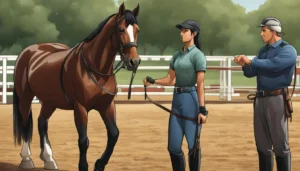
A strong relationship with your horse is built on trust and respect. Spend time grooming and talking to your horse to establish a bond. Understanding your horse’s unique personality and behavior will make executing commands more intuitive.
Essential Horse Riding Commands
Commands in horse riding are signals given to the horse to perform certain actions. They can be verbal, physical, or a combination of both. Here are some of the essential commands every rider should master:
Walk
The walk is the most basic gait and involves four beats. To ask your horse to walk, gently squeeze with your legs while keeping a soft, steady contact with the reins. A verbal cue, like “walk on,” can also be used to reinforce the command.
Trot
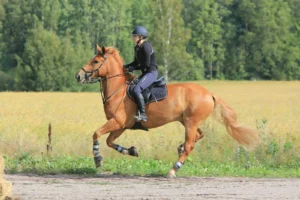
To transition from a walk to a trot, increase the pressure with your legs and lean slightly forward. The trot is a two-beat gait and can be either sitting or posting (rising). A verbal cue, such as “trot on,” can assist in signaling your horse to pick up the pace.
Canter
The canter is a three-beat gait and requires more balance and coordination. Apply pressure with your outside leg behind the girth and slightly lift your inside rein. A verbal cue, like “canter,” helps your horse understand the transition.
Halt
To bring your horse to a stop, sit deep in the saddle, close your fingers on the reins, and apply pressure with your seat. A firm “whoa” can reinforce your physical cues. Consistency is key to ensuring your horse understands the halt command.
Back Up
Backing up is a useful skill for maneuvering in tight spaces. To ask your horse to back up, apply light pressure with your legs and pull back gently on the reins. A verbal cue like “back” can be helpful. Ensure you release the pressure once your horse begins to step backward.
Advanced Commands for Skilled Riders
Once you’ve mastered the basic commands, you can move on to more advanced ones that require greater precision and understanding between you and your horse.
Side Pass
The side pass, or lateral movement, is useful for opening gates or moving around obstacles. Apply pressure with your inside leg and use your outside rein to encourage your horse to move sideways. This command requires practice and patience.
Flying Lead Change
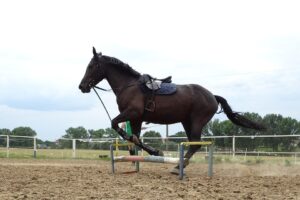
This is an advanced maneuver used in disciplines like dressage and show jumping. To perform a flying lead change, shift your weight and apply pressure with your new outside leg while slightly lifting the opposite rein.
Half-Pass
In a half-pass, the horse moves forward and sideways at the same time. It’s a challenging maneuver that involves precise cues from the rider. Apply pressure with your inside leg and direct your horse with both reins to guide the movement.
Tips for Effective Communication
Effective communication with your horse hinges on consistency, clarity, and timing. Here are some tips to ensure your commands are understood:
Consistency
Use the same cues consistently for each command. Change in cues can confuse your horse and lead to misunderstandings.
Timing
Deliver your cues at the right moment. Delayed or premature commands can lead to ineffective communication and frustration for both you and your horse.
Body Language
Your body language is a powerful tool in communicating with your horse. Ensure that your physical cues align with your verbal commands to avoid confusion.
Common Mistakes to Avoid
As you work on mastering horse riding commands, it’s important to be aware of common mistakes that can hinder your progress:
Overusing Reins
Relying too much on the reins can lead to a tense and unresponsive horse. Focus on using your seat and legs to guide your horse.
Ignoring the Horse’s Cues
Pay attention to your horse’s body language and responses. Ignoring their cues can lead to miscommunication and a lack of cooperation.
Inconsistent Reinforcement
Be consistent in rewarding your horse for responding correctly to commands. Inconsistent reinforcement can confuse your horse and slow down the learning process.
Conclusion
Mastering essential horse riding commands is a blend of science and art that demands patience, practice, and dedication. By understanding the basics, practicing essential and advanced commands, and maintaining effective communication, you can achieve success in horse riding. Remember, the key to a successful ride lies in the partnership you build with your horse, rooted in trust, respect, and understanding.