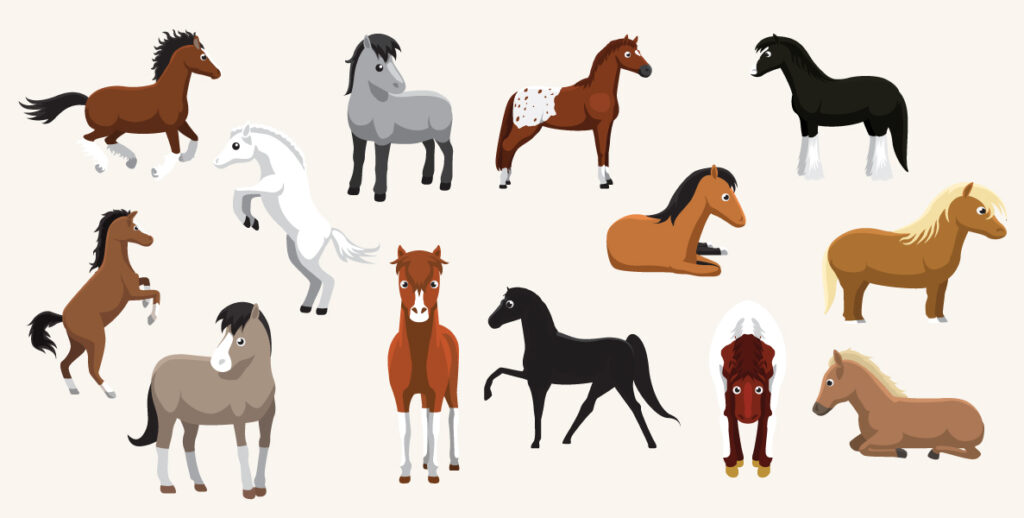
Horses have been an integral part of human history, serving as companions, work partners, and sporting champions. Over centuries, selective breeding has developed a diverse array of horse breeds, each with its own unique traits and characteristics. This article explores some of the most popular horse breeds and their distinctive features, delving into their history, physical attributes, temperaments, and uses. Whether you are an equestrian enthusiast or just curious about these majestic creatures, this exploration of horse breeds will deepen your appreciation for their diversity and beauty.
Arabian Horse
History and Origin
The Arabian horse is one of the oldest and most recognizable breeds in the world. Originating from the Arabian Peninsula, it has a storied history dating back thousands of years. Arabians were prized by Bedouin tribes for their stamina, intelligence, and loyalty. Their bloodlines have significantly influenced many modern horse breeds.
Physical Traits
Arabians are known for their distinctive head shape, with a dished profile and large, expressive eyes. They typically have a high tail carriage and a compact, muscular build. Arabians are relatively small, averaging 14.1 to 15.1 hands in height, but they are incredibly strong and agile.
Temperament and Uses
Known for their spirited and alert nature, Arabians are also remarkably gentle and intelligent, making them excellent companions. They excel in endurance riding due to their exceptional stamina and are also popular in various equestrian disciplines, including dressage and show jumping.
Thoroughbred
History and Origin
The Thoroughbred is synonymous with horse racing and is known for its speed and agility. Originating in 17th and 18th century England, Thoroughbreds were developed by crossbreeding native mares with imported Arabian, Barb, and Turkoman stallions. This breed has become the backbone of the racing industry worldwide.
Physical Traits
Thoroughbreds are typically taller, standing between 15.2 and 17 hands, with a sleek, athletic build. They have long, slender legs, a deep chest, and a short back, all of which contribute to their speed and endurance. Their refined head and long neck add to their elegant appearance.
Temperament and Uses
While Thoroughbreds are known for their competitive spirit and fiery nature, they are also highly trainable and responsive. Beyond racing, they are versatile performers in eventing, show jumping, and dressage. Their spirited demeanor requires experienced handling, but their willingness to please makes them rewarding partners.
Quarter Horse
History and Origin
The American Quarter Horse is a quintessential symbol of the American West. It originated in the United States during the 17th century and was bred for short-distance racing. The breed takes its name from its ability to outpace other horses in races of a quarter mile or less.
Physical Traits
Quarter Horses are known for their muscular build, with powerful hindquarters and a broad chest. They stand between 14 and 16 hands and have a strong, stocky build that provides exceptional speed and agility over short distances. Their head is refined with a straight profile.
Temperament and Uses
Quarter Horses are renowned for their calm, steady temperament, making them ideal for novice riders. They are incredibly versatile, thriving in various disciplines such as western pleasure, ranch work, and rodeo events. Their quick acceleration and agility also make them popular in barrel racing and reining.
Paint Horse
History and Origin
The American Paint Horse is known for its distinctive coat patterns and is deeply rooted in American history. It descends from a combination of Quarter Horses and Thoroughbreds with unique coat colorations. The Paint Horse Association was established to preserve the breed’s colorful heritage.
Physical Traits
Paint Horses are instantly recognizable by their striking coat patterns, which include overo, tobiano, and tovero. They share many physical characteristics with Quarter Horses, such as a muscular build and an average height of 14 to 16 hands. Their colorful markings are complemented by a strong, athletic physique.
Temperament and Uses
Paint Horses are known for their friendly, easygoing nature and are highly versatile. They excel in western disciplines, pleasure riding, and as reliable trail horses. Their intelligence and willingness to work make them popular choices for both amateur and professional riders.
Friesian Horse
History and Origin
The Friesian horse hails from the Friesland region of the Netherlands and is one of the oldest European horse breeds. Historically used as war horses, Friesians have evolved into elegant and versatile horses used in dressage, driving, and recreational riding.
Physical Traits
Friesians are known for their stunning appearance, with a jet-black coat, flowing mane and tail, and feathering on their lower legs. They stand between 15.3 and 17 hands and have a strong, compact build with a proud, upright neck and a gentle, expressive face.
Temperament and Uses
Despite their imposing appearance, Friesians are gentle giants known for their calm and friendly disposition. They are highly trainable and excel in dressage and carriage driving. Their beauty and grace make them popular in exhibitions and historic reenactments.
Conclusion
The diversity of horse breeds is a testament to the intricate relationship between humans and horses throughout history. Each breed carries unique traits that make them suitable for various roles, from racing and ranching to leisure and sport. By understanding the distinctive characteristics of these popular horse breeds, we can better appreciate their contributions to our lives and the rich tapestry of equestrian culture. Whether you are a seasoned horse enthusiast or an admirer from afar, the world of horses offers endless fascination and inspiration.