Training a horse effectively requires the right blend of skill, patience, and equipment. Whether you’re nurturing a young colt or refining an experienced horse’s skills, the right training equipment can make a monumental difference in achieving optimal performance. In this article, we delve into the top horse training equipment that every equestrian should consider to enhance their horse’s training regimen.
1. Lunging Equipment
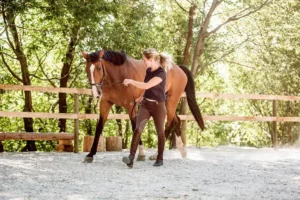
Lunging is a fundamental aspect of horse training, providing an opportunity to observe and influence a horse’s movement, demeanor, and body language from the ground. The following tools are essential for effective lunging:
Lunge Line
A lunge line is a long, sturdy rope that allows the trainer to control the horse’s movement while maintaining a safe distance. Typically ranging from 20 to 30 feet, it should be made from durable materials with a comfortable grip to ensure ease of use. A swivel clip at the end is recommended to prevent tangling.
Lunge Whip
The lunge whip is an extension of the trainer’s arm, used to guide and encourage the horse to maintain a consistent pace. It should be lightweight, balanced, and long enough to reach the horse without causing distress.
Cavesson
A cavesson is a headgear piece designed to provide control over the horse’s head without exerting pressure on the mouth. It allows for precise communication and is often preferred for its gentle influence compared to a bridle.
2. Groundwork Tools
Groundwork is crucial in establishing a strong foundation for riding. It builds trust and respect between horse and trainer, reinforcing cues and commands that will be used under saddle. Essential groundwork tools include:
Halter and Lead Rope
A halter is a basic piece of equipment that fits around the horse’s head, while a lead rope is attached to guide and direct the horse. Quality halters are typically made from nylon or leather, with a lead rope that offers a secure grip.
Training Stick and String
This tool is used to desensitize the horse and teach responsive movement to subtle cues. The training stick is a rigid, lightweight pole, while the string adds versatility, allowing for touch and guidance without intimidation.
Cones and Poles
Cones and poles are versatile tools for creating obstacle courses and exercises that enhance a horse’s agility, coordination, and focus. They encourage engagement and can be used in a variety of training scenarios.
3. Saddle and Tack
A well-fitted saddle and tack are pivotal for both horse and rider comfort, significantly impacting performance. Key considerations include:
Saddle
The saddle should fit both the horse and rider correctly to avoid discomfort or injury. There are various types of saddles, such as dressage, jumping, and general-purpose, each designed for specific disciplines. A professional fitting is highly recommended.
Bridle and Bit
The bridle and bit are critical for communication between horse and rider. The bit should be comfortable and suited to the horse’s mouth, while the bridle should be adjustable and made from quality materials to ensure longevity and effectiveness.
Girth
The girth secures the saddle in place and should be made from materials that prevent chafing. Elasticized ends can add comfort and flexibility, ensuring the saddle remains stable during movement.
4. Training Aids
Training aids enhance a horse’s understanding of cues and improve performance. They should be used judiciously to avoid dependency. Effective training aids include:
Side Reins
Side reins help in developing a horse’s balance and frame while lunging. They encourage correct head carriage and engagement of the hindquarters, promoting better movement and posture.
Martingales
Martingales are used to prevent a horse from raising its head too high, aiding in control and balance. There are several types, including running and standing martingales, each serving specific purposes.
Draw Reins
Draw reins assist in teaching a horse to maintain a proper head position and engage the back. They should be used with care and primarily by experienced riders to prevent misuse.
5. Safety Equipment
Safety is paramount in any equestrian activity. Ensuring both horse and rider are protected reduces the risk of injury and fosters confidence during training sessions.
Helmet
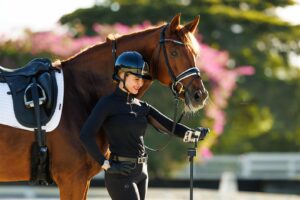
A certified riding helmet is a non-negotiable safety item for riders, offering essential protection against head injuries. It should fit snugly and be replaced after any significant impact.
Protective Boots
Protective boots for horses, such as tendon boots, fetlock boots, and bell boots, shield vulnerable areas from injury during training. Proper fit is crucial to ensure they provide adequate protection without causing discomfort.
Body Protector
For riders, a body protector can absorb impact and reduce injury risk during falls. It’s particularly recommended for jumping and cross-country training, where falls are more likely.
Conclusion
Equipping yourself with the right horse training equipment is a fundamental step towards achieving success and safety in equestrian pursuits. From lunging gear to safety equipment, each piece plays a vital role in developing a harmonious relationship between horse and rider, ultimately leading to optimal performance. As with any tool, understanding its purpose and application is key to maximizing its effectiveness. Investing in quality equipment and maintaining it properly will ensure longevity and reliability, setting the stage for successful training sessions and competitions.
#ChatGPT assisted in the creation of this article.