Parasite prevention is a crucial aspect of horse care, significantly impacting the health and well-being of these majestic animals. Parasites, both internal and external, can lead to a host of health issues, ranging from mild discomfort to severe, life-threatening conditions. Effective parasite prevention strategies can help ensure that horses remain healthy and perform at their best. This article will discuss various approaches for preventing parasite infestations in horses, covering topics such as understanding parasites, implementing deworming protocols, maintaining hygiene, pasture management, and more.
Understanding Horse Parasites
To effectively prevent parasites, it’s essential to understand the types of parasites that commonly affect horses. These can be broadly categorized into internal and external parasites.
Internal Parasites
Internal parasites, or endoparasites, live inside the horse’s body and primarily include:
– **Strongyles (Large and Small):** These parasites are among the most common and can cause significant damage to the intestinal tract. Small strongyles (cyathostomins) are particularly concerning due to their resistance to many dewormers.
– **Roundworms (Ascarids):** Commonly affecting young horses, these parasites can cause respiratory issues and poor growth.
– **Tapeworms:** They reside in the intestine and can cause colic and other digestive problems.
– **Pinworms:** These parasites cause irritation around the tail area.
– **Bots:** Bot larvae can cause gastric irritation and are ingested when horses lick themselves.
External Parasites
External parasites, or ectoparasites, live on the skin or in the hair coat of the horse and include:
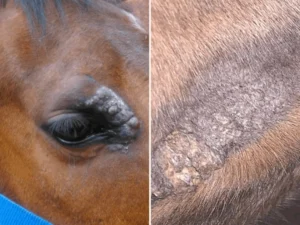
– **Lice:** These can cause itching, hair loss, and secondary skin infections.
– **Mites:** Responsible for causing mange, mites lead to intense itching and skin lesions.
– **Ticks:** They can transmit diseases such as Lyme disease and equine piroplasmosis.
– **Flies:** These are not only a nuisance but can also transmit various diseases.
Implementing Deworming Protocols
Deworming is a critical component of parasite prevention, but it must be done strategically to avoid resistance.
Fecal Egg Count (FEC) Testing
Before administering dewormers, conduct a Fecal Egg Count test. This test measures the number of parasite eggs per gram of feces, helping to determine the horse’s parasite load and the effectiveness of previous deworming treatments.
Targeted Deworming
Based on FEC results, implement targeted deworming, focusing on horses with higher parasite loads. This approach minimizes the use of dewormers, reducing the risk of resistance.
Rotation of Deworming Agents
Rotate deworming agents with different active ingredients to target various parasite species and prevent resistance. However, always consult with a veterinarian before making changes to deworming protocols.
Maintaining Hygiene and Stable Management
Good stable management and hygiene practices are fundamental to preventing parasite infestations.
Regular Manure Removal
Consistently remove manure from stalls, paddocks, and pastures to reduce the environmental load of parasite eggs and larvae. Composting manure can also help kill parasite eggs.
Stable Cleanliness
Maintain a clean and dry stable environment to prevent the proliferation of parasites. Regularly clean and disinfect stalls, feeding areas, and water troughs.
Feeding Practices
Implement feeding practices that minimize the risk of contamination. Use feeders to keep food off the ground, and ensure water sources are clean.
Pasture Management
Effective pasture management plays a crucial role in minimizing exposure to parasites.
Pasture Rotation
Implement a pasture rotation system to prevent overgrazing and reduce parasite loads. Allowing pastures to rest can decrease the number of parasite larvae.
Mixed Grazing
Consider mixed grazing with other species, such as sheep or cattle, that do not share the same parasites as horses. This can help break the parasite life cycle.
Pasture Cleaning
Regularly remove manure from pastures and harrow fields to expose parasite larvae to sunlight, which can kill them.
Utilizing Natural and Biological Controls
Natural and biological controls can complement traditional parasite prevention strategies.
Diatomaceous Earth
Some horse owners use diatomaceous earth as a natural dewormer. It is believed to damage the protective outer layers of parasites, leading to their death. However, its efficacy is debated, and it should not replace traditional methods without veterinary guidance.
Beneficial Nematodes
These microscopic organisms can be introduced into pastures to prey on parasitic larvae, helping to reduce the number of parasites in the environment.
Regular Veterinary Check-Ups
Regular veterinary check-ups are essential in monitoring and managing the health of horses, including parasite control.
Health Assessments
Veterinarians can perform health assessments to detect early signs of parasitic infestations and other health issues.
Developing a Comprehensive Parasite Control Plan
Work with a veterinarian to develop a comprehensive parasite control plan tailored to the specific needs of your horse herd, considering factors such as age, health status, and environmental conditions.
Conclusion
Effective parasite prevention requires a multifaceted approach that combines strategic deworming, proper hygiene, pasture management, and regular veterinary care. By understanding the types of parasites that affect horses and implementing targeted prevention strategies, horse owners can significantly reduce the risk of infestations and ensure the health and well-being of their animals. Regular monitoring and adaptation of these strategies, guided by veterinary advice, will help maintain an effective parasite control program, allowing horses to thrive in a healthy environment.