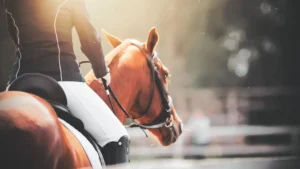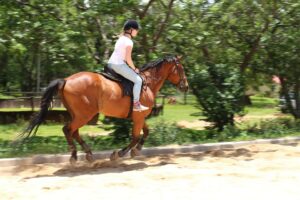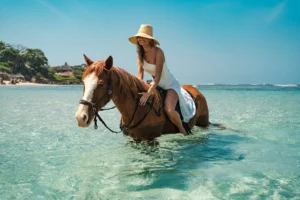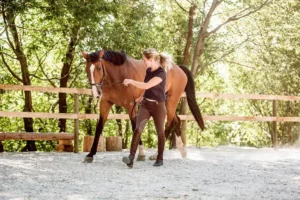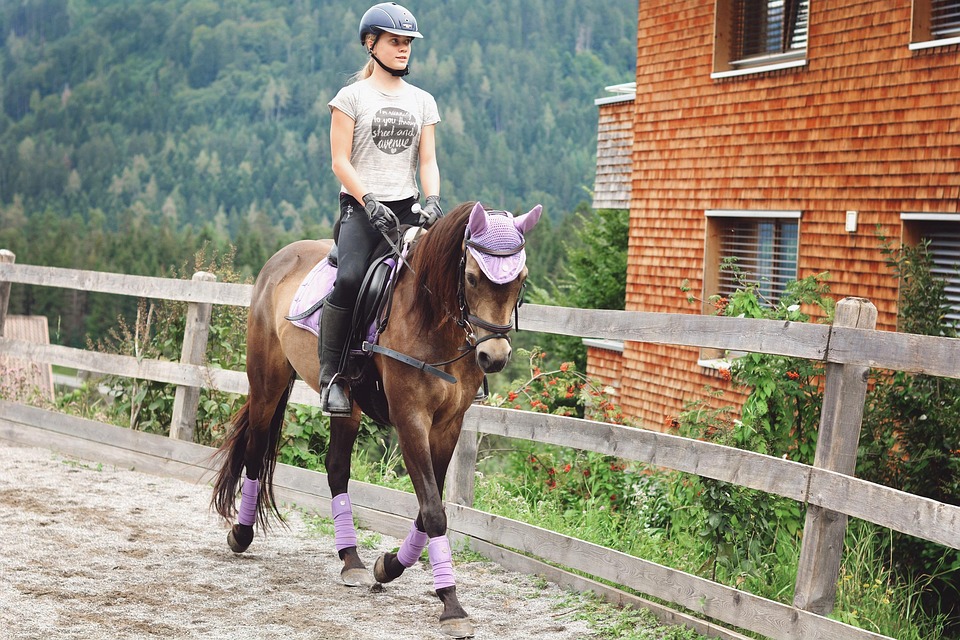
Horse riding, an age-old practice, offers both a thrilling adventure and a profound connection with nature. For beginners, mastering the art of horse riding involves understanding the fundamentals, building confidence, and developing a bond with the horse. This article delves into the essential lessons that every novice rider should embrace to embark on a fulfilling equestrian journey.
The Basics of Horse Riding
Learning to ride a horse is a journey that begins with grasping the essentials. These foundational skills are crucial for ensuring safety and comfort for both the rider and the horse.
Selecting the Right Horse
Choosing the right horse is the first step in the learning process. Beginners should opt for a horse that is calm, well-trained, and experienced. A seasoned horse can provide stability and confidence to an inexperienced rider, making the learning process smoother and more enjoyable.
Understanding Horse Behavior
Before mounting, it’s important to understand basic horse behavior. Horses are sensitive animals that respond to their environment and the emotions of their riders. Spend time observing and interacting with your horse on the ground to build trust and learn its quirks and cues.
Essential Riding Gear
Proper gear is vital for ensuring safety and comfort. A well-fitted helmet is non-negotiable, protecting against potential falls. Comfortable riding boots with a heel prevent the foot from slipping through the stirrup. Additionally, wearing gloves can enhance grip and prevent blisters.
Mounting and Dismounting
A pivotal part of horse riding is mastering the art of mounting and dismounting. These actions must be done with precision to ensure safety for both the rider and the horse.
Mounting the Horse
Start by holding the reins in your left hand, placing your left foot in the stirrup, and swinging your right leg over the horse’s back. Settle gently into the saddle, ensuring you don’t unbalance the horse. Practicing mounting from both sides can improve your flexibility and adaptability.
Dismounting Safely
To dismount, lean forward slightly, swing your right leg over the horse, and gently slide down to the ground. Always ensure the horse is still and balanced before dismounting to prevent accidents.
Developing Riding Skills
Once you’re comfortable with mounting and dismounting, focus on developing your riding skills. This involves perfecting your posture, mastering basic commands, and learning to control the horse effectively.
Perfecting Your Posture
A correct riding posture is crucial for effective communication with the horse and maintaining balance. Sit up straight with your shoulders back, heels down, and eyes looking forward. Your hands should be steady, holding the reins with gentle yet firm contact.
Mastering Basic Commands
Basic commands include starting, stopping, and steering the horse. Use gentle pressure with your legs to signal the horse to move forward. Pull back slightly on the reins to stop, and use rein and leg cues to guide the horse in the desired direction. Consistent practice of these commands enhances communication and control.
Building Confidence and Control
Confidence is key to successful horse riding. Gradually expose yourself to new challenges, such as riding at different speeds and over varied terrains. Working with an experienced instructor can provide guidance and feedback, boosting your confidence and refining your skills.
Understanding Horse Gaits
Familiarity with the different horse gaits is essential for any rider. Understanding these gaits allows for smoother transitions and a more enjoyable riding experience.
Walk
The walk is the slowest gait, with a four-beat rhythm. It’s a great starting point for beginners to practice balance and coordination.
Trot
The trot is a two-beat gait that’s slightly faster than a walk. It can be bouncy, so learning to post (rise and sit in rhythm with the horse’s movement) is important to maintain comfort.
Canter
The canter is a three-beat gait that is smoother than the trot and faster than the walk. It requires more balance and coordination, making it a goal for intermediate riders.
Safety Measures in Horse Riding
Prioritizing safety is paramount in horse riding. This involves understanding potential hazards and taking precautions to mitigate risks.
Recognizing Potential Hazards
Be aware of environmental factors, such as uneven terrain, weather conditions, and other animals. Stay attentive to your surroundings and your horse’s behavior to anticipate and avoid potential dangers.
Emergency Dismounts
Learning to perform an emergency dismount can be crucial in situations where remaining on the horse poses a threat. Practice this skill under the guidance of an instructor to ensure you can execute it safely if needed.
Respecting the Horse
Treat your horse with respect and kindness. Understanding their limits and ensuring they are not overworked or stressed is vital for their well-being and your safety.
Building a Bond with Your Horse
A strong bond with your horse enhances the riding experience, leading to a more harmonious partnership.
Spending Quality Time
Invest time in grooming and caring for your horse. These activities deepen your connection and allow you to understand your horse’s personality and preferences.
Positive Reinforcement
Use positive reinforcement techniques, such as treats and praise, to encourage good behavior and responses. This builds trust and strengthens your relationship with the horse.
Conclusion
Mastering horse riding requires patience, practice, and a willingness to learn. By focusing on the essential lessons outlined in this article, beginners can develop the skills and confidence needed to enjoy a fulfilling equestrian journey. Embrace each ride as an opportunity to grow, connect with your horse, and experience the unparalleled joy of horse riding.
#ChatGPT assisted in the creation of this article.