Horses are majestic creatures that require a significant amount of care to remain healthy and vibrant. Understanding common health problems in horses and knowing how to prevent them can ensure your horse lives a long and happy life. This article provides an in-depth look at some of the top health issues horses face, along with practical tips to prevent these problems.
Colic
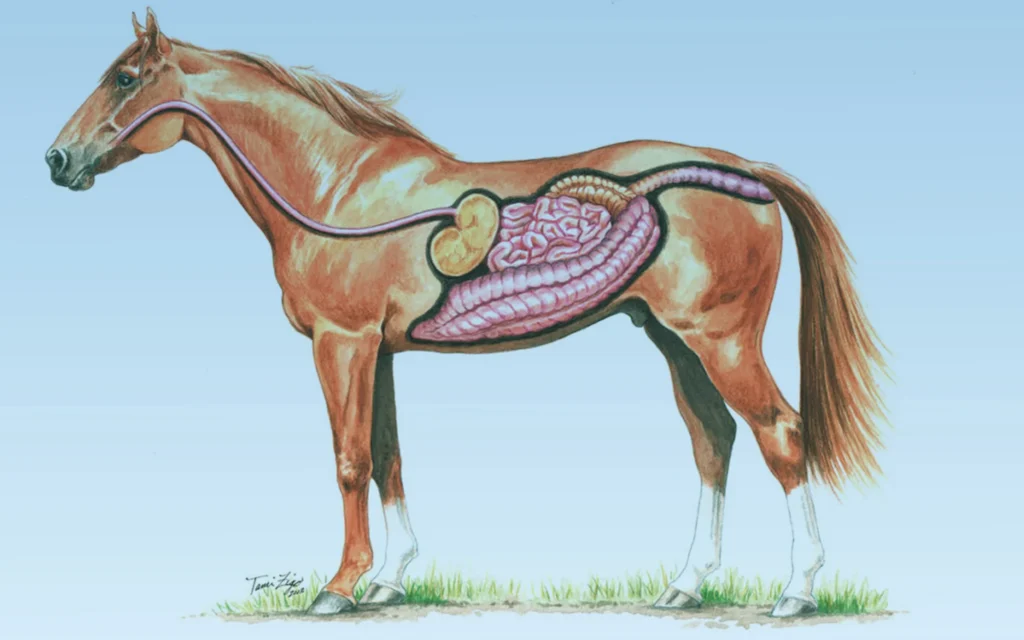
Colic is a broad term that refers to abdominal pain in horses, which can range from mild discomfort to life-threatening conditions. It is one of the most common health problems in horses and can arise from various causes, including intestinal blockages, gas, or changes in diet.
Prevention Tips:
- Ensure a consistent feeding schedule to avoid sudden changes in diet.
- Provide plenty of fresh water to keep your horse hydrated.
- Limit grain intake and ensure adequate forage to support healthy digestion.
- Regularly deworm your horse to prevent parasitic infections that can lead to colic.
- Monitor your horse closely during changes in feed or environment.
Lameness
Lameness in horses is a common ailment that can stem from various issues, including injuries, arthritis, or hoof problems. It is characterized by an abnormal gait or unwillingness to move.
Prevention Tips:
- Regularly inspect your horse’s hooves and provide routine farrier care.
- Maintain a balanced diet to support joint health and prevent obesity-related lameness.
- Provide adequate rest and avoid overworking your horse, especially on hard surfaces.
- Use appropriate protective gear, such as boots, during training and riding.
Respiratory Issues
Horses can suffer from respiratory problems, including infections, allergies, and heaves (chronic obstructive pulmonary disease). These issues can significantly affect their performance and quality of life.
Prevention Tips:
- Ensure proper ventilation in stables to reduce dust and ammonia levels.
- Use dust-free bedding and feed to minimize respiratory irritants.
- Keep your horse’s environment clean and free from mold and allergens.
- Monitor your horse for signs of respiratory distress, such as coughing or nasal discharge.
Parasite Infestations
Parasites can cause numerous health issues in horses, affecting their overall well-being and performance. Common parasites include worms, ticks, and lice.
Prevention Tips:
- Implement a regular deworming schedule based on fecal egg counts.
- Maintain clean and dry living conditions to deter parasite infestations.
- Rotate pastures to prevent overgrazing and reduce parasite exposure.
- Groom your horse regularly to check for external parasites like ticks and lice.
Dental Problems
Horses have unique dental needs, and dental problems can lead to weight loss, poor performance, and discomfort. Issues such as sharp enamel points and tooth decay are common.
Prevention Tips:
- Schedule regular dental check-ups with an equine dentist or veterinarian.
- Provide a balanced diet with adequate roughage to promote natural tooth wear.
- Monitor for signs of dental discomfort, such as dropping feed or excessive drooling.
Equine Metabolic Syndrome (EMS)
EMS is a condition that affects a horse’s metabolism, often leading to obesity and insulin resistance. It can increase the risk of laminitis and other health issues.
Prevention Tips:
- Implement a diet low in sugars and starches to manage weight and reduce the risk of EMS.
- Encourage regular exercise to maintain a healthy weight and improve insulin sensitivity.
- Monitor body condition scores and adjust feed as needed.
Skin Conditions
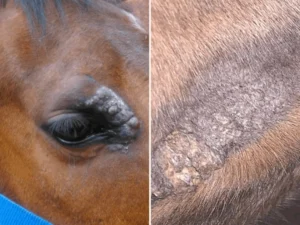
Horses are prone to various skin conditions, including dermatitis, rain rot, and sweet itch. These issues can cause discomfort and require diligent care.
Prevention Tips:
- Maintain a clean and dry environment to prevent bacterial and fungal infections.
- Use fly sheets and insect repellents to protect against biting insects.
- Regularly groom your horse to remove dirt and debris from the coat.
Conclusion
By understanding the common health problems horses face and implementing preventative measures, you can significantly enhance your horse’s quality of life. Regular veterinary care, proper nutrition, and a clean, safe environment are crucial components in maintaining your horse’s health. Being proactive about your horse’s well-being will help ensure that your equine companion remains healthy, happy, and ready to thrive in whatever challenges they face.
#ChatGPT assisted in the creation of this article.