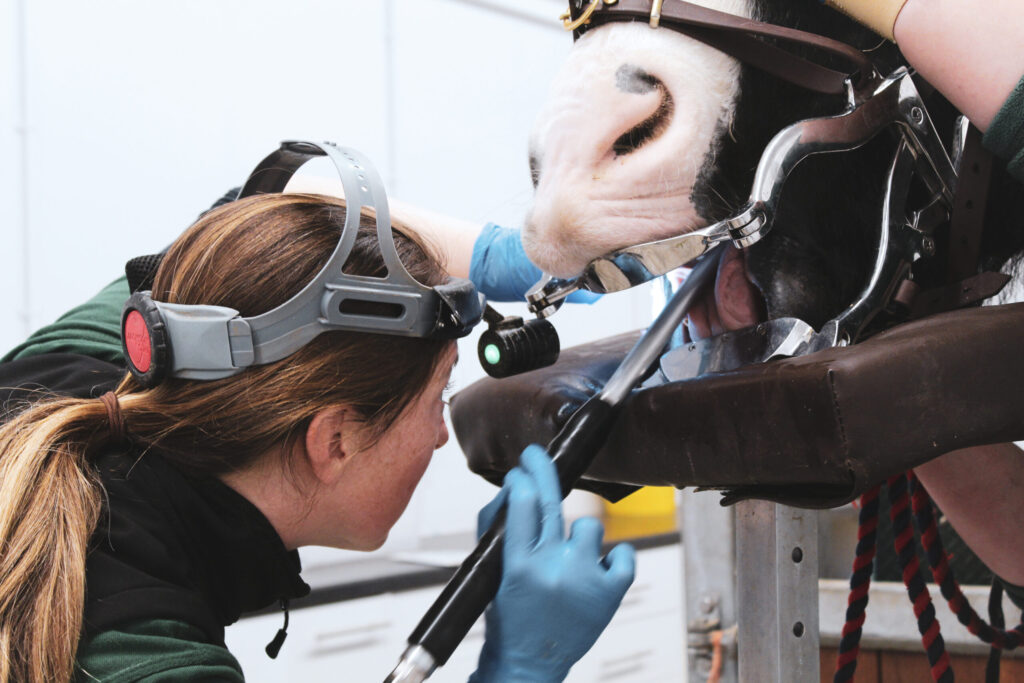
Proper dental care is a crucial aspect of maintaining the overall health and well-being of horses. As obligate herbivores, horses have a unique dental structure that requires regular attention to prevent common issues such as sharp enamel points, hooks, and uneven wear. With the right knowledge and routine care, horse owners can ensure their equine companions enjoy optimal dental health, which in turn supports their overall fitness and performance.
Understanding Equine Dentistry
Horse dentistry differs significantly from human dentistry due to the horse’s unique dental anatomy and function. Horses have hypsodont teeth, meaning they continue to erupt throughout their lives to compensate for the wear caused by grazing. Therefore, understanding the basics of equine dental structure and function is essential for providing effective care.
The Anatomy of Horse Teeth
Horses have a total of 36 to 44 teeth, depending on the presence of certain teeth like canines and wolf teeth. The dental structure includes incisors for cutting grass, premolars, and molars for grinding. These teeth work together in a smooth, lateral chewing motion to break down fibrous plant material efficiently.
The Role of a Healthy Mouth
A healthy mouth directly influences a horse’s ability to chew food properly, which is critical for digestion and nutrient absorption. Dental problems can lead to weight loss, colic, and behavioral issues, emphasizing the importance of regular dental check-ups and maintenance.
Signs of Dental Problems in Horses
Recognizing the signs of dental issues early can prevent more severe problems down the line. Horse owners should regularly observe their horses for any changes in behavior or eating habits that might indicate dental discomfort.
Common Indicators
Some common signs of dental problems include:
- Difficulty eating or reluctance to eat
- Dropping food while chewing (quidding)
- Weight loss or poor body condition
- Foul odor from the mouth
- Facial swelling or nasal discharge
- Head shaking or resistance to the bit
Behavioral Changes
Horses experiencing dental discomfort may exhibit behavioral changes such as increased irritability, reluctance to work, or head tossing. These behaviors can often be mistaken for training issues, so it’s crucial to rule out dental problems as a potential cause.
Routine Dental Care and Maintenance
Regular dental check-ups and maintenance are vital components of a comprehensive horse care regimen. By implementing consistent dental care practices, horse owners can help prevent many common dental issues and ensure their horses remain healthy and comfortable.
Scheduling Regular Dental Examinations
Horses should have a dental examination by a qualified equine dentist or veterinarian at least once a year. Younger horses and those with known dental issues may require more frequent check-ups. During these examinations, the dental professional will assess the horse’s teeth for any signs of wear, decay, or abnormalities and perform necessary adjustments, such as floating.
The Process of Floating
Floating is a common dental procedure that involves filing down sharp enamel points and correcting uneven wear patterns. This process helps ensure a balanced bite and prevents discomfort while chewing. Floating should only be performed by trained professionals to avoid injury to the horse or damage to the teeth.
Maintaining a Balanced Diet
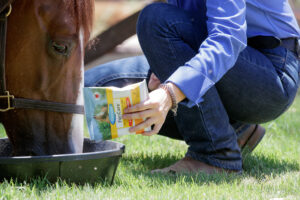
A balanced diet is essential for maintaining healthy teeth. Providing appropriate forage that encourages natural chewing patterns can help reduce the risk of dental issues. Additionally, ensuring that your horse receives adequate vitamins and minerals supports overall dental health.
Preventive Measures for Optimal Dental Health
Prevention is always better than cure, and there are several steps horse owners can take to minimize the risk of dental issues.
Encouraging Natural Grazing
Allowing horses to graze naturally promotes the natural wear of teeth and helps maintain dental health. Grazing provides a constant supply of fibrous material that encourages the lateral chewing motion necessary for even tooth wear.
Monitoring and Adjusting Diet
Regularly assess your horse’s diet to ensure it meets their nutritional needs without contributing to dental issues. Avoid feeding excessively hard feeds or treats that could cause tooth fractures or excessive wear.
Observing Regularly for Changes
Stay vigilant about observing your horse for any signs of dental discomfort or changes in eating behavior. Early detection of problems can lead to more effective interventions and prevent more severe complications.
Conclusion
Optimal horse dental care is an essential component of overall equine health management. By understanding the unique dental structure of horses, recognizing the signs of dental problems, and implementing regular maintenance and preventive measures, horse owners can ensure their equine companions remain healthy and comfortable. Prioritizing regular dental check-ups and fostering a balanced diet will not only enhance your horse’s quality of life but also contribute to their performance and longevity.