The relationship between humans and horses is one of the most ancient and profound partnerships in history. To truly connect with these magnificent creatures, one must understand the subtleties of equine communication. Horses communicate primarily through body language, vocalizations, and facial expressions. Mastering this language is essential for effective riding, training, and fostering a strong bond with your horse. This article delves into the intricacies of equine communication, offering insights and tips on how to interpret and respond to your horse’s signals.
Understanding Equine Body Language
Body language is the primary mode of communication for horses. As prey animals, they are highly attuned to body signals and can convey a wide range of emotions and intentions through their posture and movements.
Position of Ears
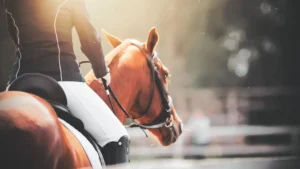
The positioning of a horse’s ears can tell you a lot about their mood and focus. Forward ears generally indicate interest or curiosity, while ears that are turned back may suggest caution or irritation. Rapidly swiveling ears are a sign that the horse is alert and processing multiple stimuli.
Tail Movements
The tail is another expressive feature. A relaxed tail usually signifies a calm and content horse. Conversely, a tail swishing vigorously can indicate annoyance or agitation. Be cautious if the horse’s tail is clamped against its body, as this could mean fear or discomfort.
Body Posture
A relaxed horse often has a soft, supple posture, with a slightly lowered head and a relaxed neck. A tense, rigid stance, especially with a raised head and stiff neck, can be a sign of stress or anxiety. Observing your horse’s posture in different situations can help you understand their emotional state and comfort level.
Decoding Vocalizations
While less common than body language, vocalizations are also an important aspect of equine communication. Horses use sounds such as whinnies, nickers, and snorts to convey different messages.
Whinnies and Neighs
A whinny or neigh is often used to locate or greet other horses. It can also indicate excitement or anxiety. Horses may whinny when separated from their herd or when anticipating a meal.
Nickering
A nicker is a soft, friendly sound usually directed at familiar horses or humans. It’s often a sign of affection or greeting, particularly when accompanied by a relaxed posture and soft eyes.
Snorts and Blows
Snorting or blowing can serve multiple purposes. It may help clear the nasal passages but often accompanies excitement or alertness. A single, sharp snort can indicate surprise or caution, while multiple snorts may mean the horse is trying to release tension.
Facial Expressions and Eye Contact
A horse’s facial expressions and eye contact can offer deep insights into their emotions and intentions.
Eyes
Soft, relaxed eyes indicate a comfortable and content horse. Wide eyes with visible sclera (the white part) can signal fear, surprise, or alarm. Pay attention to any changes in eye expression, as they can provide early warnings of stress or discomfort.
Mouth and Lips
A relaxed mouth with slightly parted lips indicates a calm and comfortable horse. Tension in the lips or mouth, such as tightly clenched lips or frequent licking and chewing, may suggest stress or anxiety. Horses often lick and chew as a sign of submission or understanding during training.
Building a Two-Way Communication
Understanding equine language is only one side of the equation. To truly master horse communication, it’s vital to engage in a two-way dialogue where you also communicate effectively with your horse.
Establishing Trust
Trust is the foundation of any successful relationship with a horse. Approach your horse calmly and confidently, using consistent body language and vocal cues. Spend time simply being with your horse, allowing them to become comfortable with your presence.
Clear and Consistent Signals
When training or riding, use clear and consistent signals to avoid confusing your horse. Reinforce cues with positive reinforcement, such as treats or praise, to encourage desirable behavior. It’s important to be patient and give your horse time to process and respond to your instructions.
Listening to Feedback
Effective communication is a two-way street. Pay close attention to your horse’s responses to your cues and adjust your approach as needed. If your horse seems confused or resistant, take a step back and reassess your communication style.
Common Challenges in Horse Communication
While understanding equine language can significantly enhance your relationship with your horse, there are common challenges you may encounter.
Misinterpretation of Signals
It’s easy to misinterpret a horse’s signals, especially if you’re new to equine communication. Take the time to observe and learn from experienced horse handlers, and don’t hesitate to seek advice if you’re unsure about your horse’s behavior.
Overlooking Subtle Cues
Horses communicate through subtle cues, and it’s easy to overlook these signals in the midst of training or riding. Practice mindfulness and focus on being present in the moment with your horse.
Emotional Bias
As humans, we may project our emotions onto our horses, leading to misunderstandings. Stay objective and observe your horse’s behavior without letting your emotions cloud your judgment.
Conclusion: The Journey to Mastery
Mastering horse communication is a journey that requires patience, observation, and a willingness to learn. By understanding and interpreting your horse’s language, you can build a deeper connection, enhance your riding skills, and create a harmonious partnership. Remember, every horse is unique, and effective communication is about respecting and responding to their individual needs and personalities. As you continue to learn and grow alongside your horse, you’ll unlock the secrets of equine language and experience the joy of true understanding and connection.